

58
1910
1930
1950
1970
1990
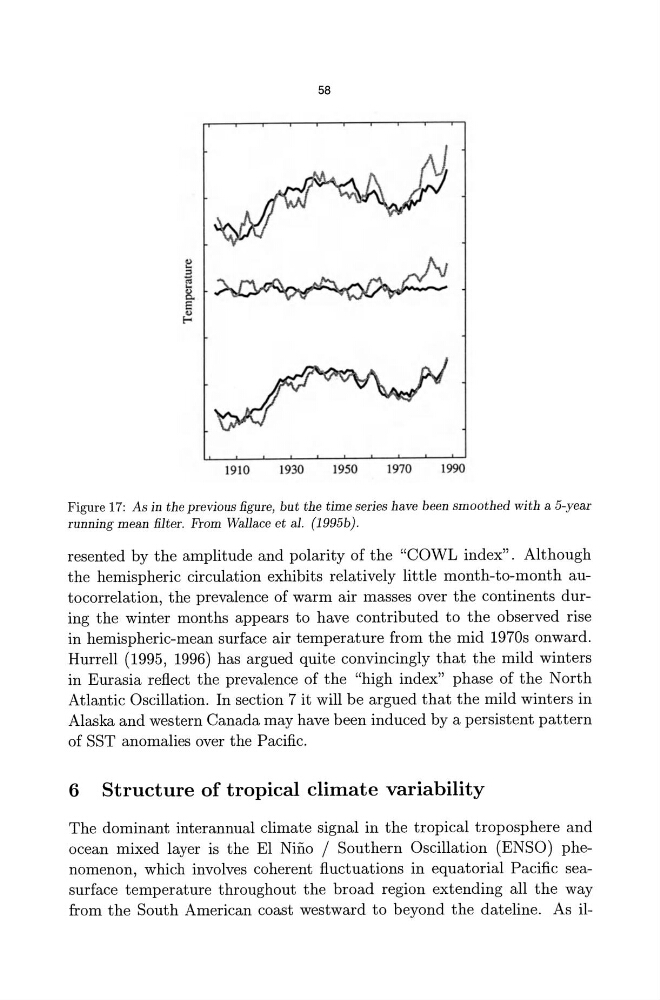
Figure 17: As in the previous figure, but the time series have been smoothed with a 5-year
running mean filter. From Wallace et a1. (1995b).
resented by the amplitude and polarity of the "COWL index". Although
the hemispheric circulation exhibits relatively little month-to-month autocorrelation, the prevalence of warm air masses over the continents during the winter months appears to have contributed to the observed rise
in hemispheric-mean surface air temperature from the mid 1970s onward.
Hurrell (1995, 1996) has argued quite convincingly that the mild winters
in Eurasia reflect the prevalence of the "high index" phase of the North
Atlantic Oscillation. In section 7 it will be argued that the mild winters in
Alaska and western Canada may have been induced by a persistent pattern
of SST anomalies over the Pacific.
6 Structure of tropical climate variability
The dominant interannual climate signal in the tropical troposphere and
ocean mixed layer is the EI Nino / Southern Oscillation (ENSO) phenomenon, which involves coherent fluctuations in equatorial Pacific seasurface temperature throughout the broad region extending all the way
from the South American coast westward to beyond the dateline. As il-
1910
1930
1950
1970
1990
Figure 17: As in the previous figure, but the time series have been smoothed with a 5-year
running mean filter. From Wallace et a1. (1995b).
resented by the amplitude and polarity of the "COWL index". Although
the hemispheric circulation exhibits relatively little month-to-month autocorrelation, the prevalence of warm air masses over the continents during the winter months appears to have contributed to the observed rise
in hemispheric-mean surface air temperature from the mid 1970s onward.
Hurrell (1995, 1996) has argued quite convincingly that the mild winters
in Eurasia reflect the prevalence of the "high index" phase of the North
Atlantic Oscillation. In section 7 it will be argued that the mild winters in
Alaska and western Canada may have been induced by a persistent pattern
of SST anomalies over the Pacific.
6 Structure of tropical climate variability
The dominant interannual climate signal in the tropical troposphere and
ocean mixed layer is the EI Nino / Southern Oscillation (ENSO) phenomenon, which involves coherent fluctuations in equatorial Pacific seasurface temperature throughout the broad region extending all the way
from the South American coast westward to beyond the dateline. As il-