

2
- J
1910
1930
55
1950
1970
.. ..
1990
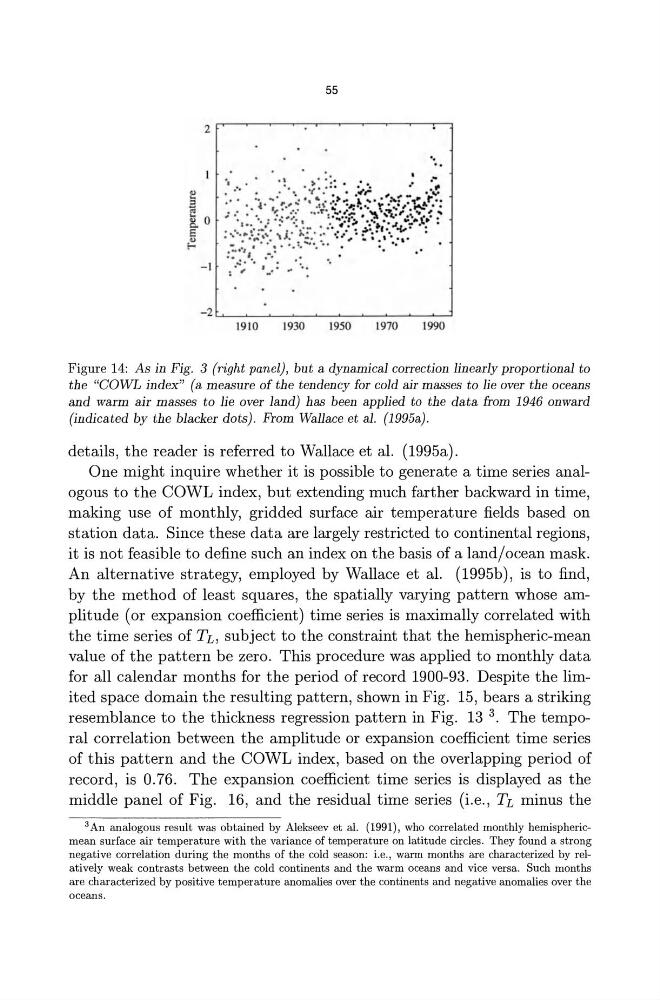
Figure 14: As in Fig. 3 (right panel), but a dynamical correction linearly proportional to
the "COWL index" (a measure of the tendency for cold air masses to lie over the oceans
and warm air masses to lie over land) has been applied to the data from 1946 onward
(indicated by the blacker dots) . From Wallace et al. (1995a).
details, the reader is referred to Wallace et al. (1995a).
One might inquire whether it is possible to generate a time series analogous to the COWL index, but extending much farther backward in time,
making use of monthly, gridded surface air temperature fields based on
station data. Since these data are largely restricted to continental regions,
it is not feasible to define such an index on the basis of a land/ocean mask.
An alternative strategy, employed by Wallace et al. (1995b), is to find,
by the method of least squares, the spatially varying pattern whose amplitude (or expansion coefficient) time series is maximally correlated with
the time series of TL , subject to the constraint that the hemispheric-mean
value of the pattern be zero. This procedure was applied to monthly data
for all calendar months for the period of record 1900-93. Despite the limited space domain the resulting pattern, shown in Fig. 15, bears a striking
resemblance to the thickness regression pattern in Fig. 13 3. The temporal correlation between the amplitude or expansion coefficient time series
of this pattern and the COWL index, based on the overlapping period of
record, is 0.76. The expansion coefficient time series is displayed as the
middle panel of Fig. 16, and the residual time series (i.e. , TL minus the
3 An analogous result was obtained by Alekseev et al. (1991), who correlated monthly hemisphericmean surface air temperature with the variance of temperature on latitude circles. They found a strong
negative correlation during the months of the cold season: i.e., warm months are characterized by relatively weak contrasts between the cold continents and the warm oceans and vice versa. Such months
are characterized by positive temperature anomalies over the continents and negative anomalies over the
oceans.
- J
1910
1930
55
1950
1970
.. ..
1990
Figure 14: As in Fig. 3 (right panel), but a dynamical correction linearly proportional to
the "COWL index" (a measure of the tendency for cold air masses to lie over the oceans
and warm air masses to lie over land) has been applied to the data from 1946 onward
(indicated by the blacker dots) . From Wallace et al. (1995a).
details, the reader is referred to Wallace et al. (1995a).
One might inquire whether it is possible to generate a time series analogous to the COWL index, but extending much farther backward in time,
making use of monthly, gridded surface air temperature fields based on
station data. Since these data are largely restricted to continental regions,
it is not feasible to define such an index on the basis of a land/ocean mask.
An alternative strategy, employed by Wallace et al. (1995b), is to find,
by the method of least squares, the spatially varying pattern whose amplitude (or expansion coefficient) time series is maximally correlated with
the time series of TL , subject to the constraint that the hemispheric-mean
value of the pattern be zero. This procedure was applied to monthly data
for all calendar months for the period of record 1900-93. Despite the limited space domain the resulting pattern, shown in Fig. 15, bears a striking
resemblance to the thickness regression pattern in Fig. 13 3. The temporal correlation between the amplitude or expansion coefficient time series
of this pattern and the COWL index, based on the overlapping period of
record, is 0.76. The expansion coefficient time series is displayed as the
middle panel of Fig. 16, and the residual time series (i.e. , TL minus the
3 An analogous result was obtained by Alekseev et al. (1991), who correlated monthly hemisphericmean surface air temperature with the variance of temperature on latitude circles. They found a strong
negative correlation during the months of the cold season: i.e., warm months are characterized by relatively weak contrasts between the cold continents and the warm oceans and vice versa. Such months
are characterized by positive temperature anomalies over the continents and negative anomalies over the
oceans.