

290
P. Veerakumar et al.
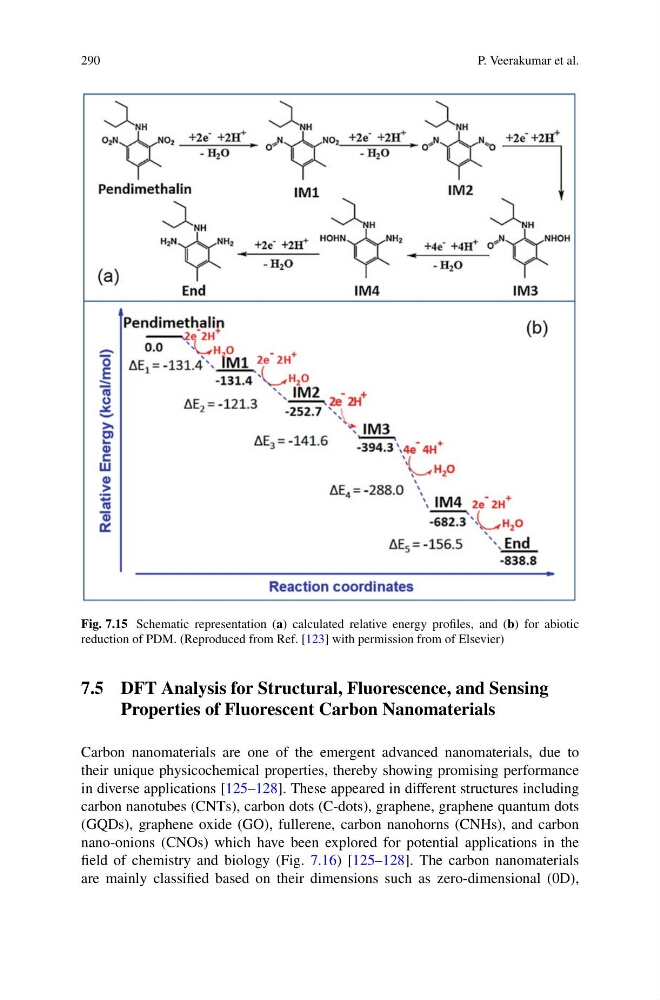
Fig. 7.15 Schematic representation (a) calculated relative energy profiles, and (b) for abiotic
reduction of PDM. (Reproduced from Ref. [123] with permission from of Elsevier)
7.5 DFT Analysis for Structural, Fluorescence, and Sensing
Properties of Fluorescent Carbon Nanomaterials
Carbon nanomaterials are one of the emergent advanced nanomaterials, due to
their unique physicochemical properties, thereby showing promising performance
in diverse applications [125–128]. These appeared in different structures including
carbon nanotubes (CNTs), carbon dots (C-dots), graphene, graphene quantum dots
(GQDs), graphene oxide (GO), fullerene, carbon nanohorns (CNHs), and carbon
nano-onions (CNOs) which have been explored for potential applications in the
field of chemistry and biology (Fig. 7.16) [125–128]. The carbon nanomaterials
are mainly classified based on their dimensions such as zero-dimensional (0D),
P. Veerakumar et al.
Fig. 7.15 Schematic representation (a) calculated relative energy profiles, and (b) for abiotic
reduction of PDM. (Reproduced from Ref. [123] with permission from of Elsevier)
7.5 DFT Analysis for Structural, Fluorescence, and Sensing
Properties of Fluorescent Carbon Nanomaterials
Carbon nanomaterials are one of the emergent advanced nanomaterials, due to
their unique physicochemical properties, thereby showing promising performance
in diverse applications [125–128]. These appeared in different structures including
carbon nanotubes (CNTs), carbon dots (C-dots), graphene, graphene quantum dots
(GQDs), graphene oxide (GO), fullerene, carbon nanohorns (CNHs), and carbon
nano-onions (CNOs) which have been explored for potential applications in the
field of chemistry and biology (Fig. 7.16) [125–128]. The carbon nanomaterials
are mainly classified based on their dimensions such as zero-dimensional (0D),