

7 Computational and Experimental Analysis of Carbon Functional Nanomaterials
289
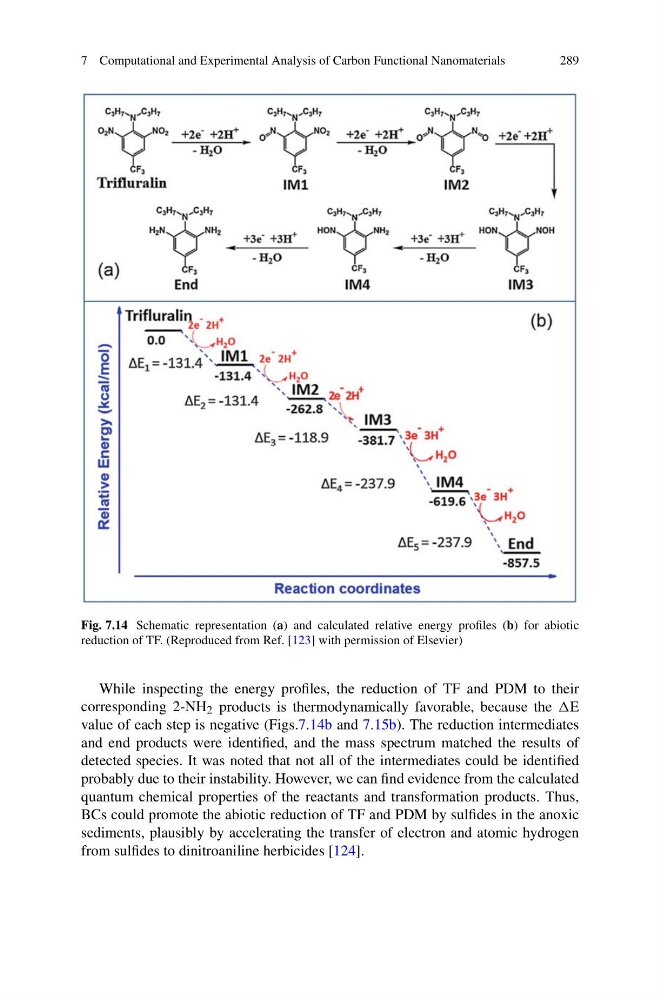
Fig. 7.14 Schematic representation (a) and calculated relative energy profiles (b) for abiotic
reduction of TF. (Reproduced from Ref. [123] with permission of Elsevier)
While inspecting the energy profiles, the reduction of TF and PDM to their
corresponding 2-NH 2 products is thermodynamically favorable, because the E
value of each step is negative (Figs.7.14b and 7.15b). The reduction intermediates
and end products were identified, and the mass spectrum matched the results of
detected species. It was noted that not all of the intermediates could be identified
probably due to their instability. However, we can find evidence from the calculated
quantum chemical properties of the reactants and transformation products. Thus,
BCs could promote the abiotic reduction of TF and PDM by sulfides in the anoxic
sediments, plausibly by accelerating the transfer of electron and atomic hydrogen
from sulfides to dinitroaniline herbicides [124].
289
Fig. 7.14 Schematic representation (a) and calculated relative energy profiles (b) for abiotic
reduction of TF. (Reproduced from Ref. [123] with permission of Elsevier)
While inspecting the energy profiles, the reduction of TF and PDM to their
corresponding 2-NH 2 products is thermodynamically favorable, because the E
value of each step is negative (Figs.7.14b and 7.15b). The reduction intermediates
and end products were identified, and the mass spectrum matched the results of
detected species. It was noted that not all of the intermediates could be identified
probably due to their instability. However, we can find evidence from the calculated
quantum chemical properties of the reactants and transformation products. Thus,
BCs could promote the abiotic reduction of TF and PDM by sulfides in the anoxic
sediments, plausibly by accelerating the transfer of electron and atomic hydrogen
from sulfides to dinitroaniline herbicides [124].