

Processes 2019, 7,97
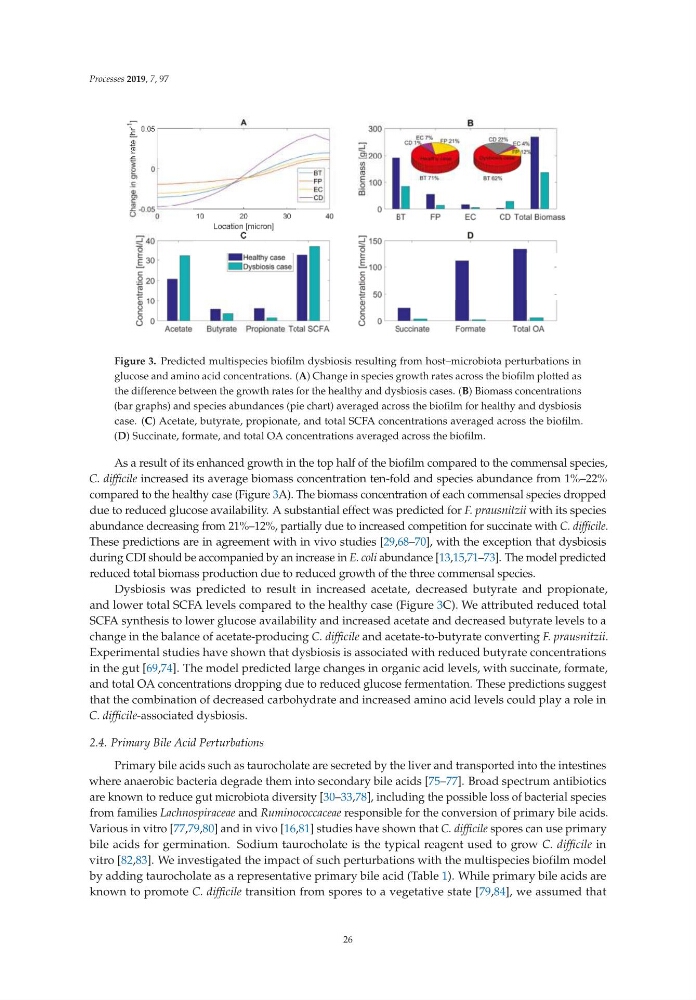
Figure 3. Predicted multispecies biofilm dysbiosis resulting from host–microbiota perturbations in
glucose and amino acid concentrations. (A) Change in species growth rates across the biofilm plotted as
the difference between the growth rates for the healthy and dysbiosis cases. (B) Biomass concentrations
(bar graphs) and species abundances (pie chart) averaged across the biofilm for healthy and dysbiosis
case. (C) Acetate, butyrate, propionate, and total SCFA concentrations averaged across the biofilm.
(D) Succinate, formate, and total OA concentrations averaged across the biofilm.
As a result of its enhanced growth in the top half of the biofilm compared to the commensal species,
C. difficile increased its average biomass concentration ten-fold and species abundance from 1%–22%
compared to the healthy case (Figure 3A). The biomass concentration of each commensal species dropped
due to reduced glucose availability. A substantial effect was predicted for F. prausnitzii with its species
abundance decreasing from 21%–12%, partially due to increased competition for succinate with C. difficile.
These predictions are in agreement with in vivo studies [29,68–70], with the exception that dysbiosis
during CDI should be accompanied by an increase in E. coli abundance [13,15,71–73]. The model predicted
reduced total biomass production due to reduced growth of the three commensal species.
Dysbiosis was predicted to result in increased acetate, decreased butyrate and propionate,
and lower total SCFA levels compared to the healthy case (Figure 3C). We attributed reduced total
SCFA synthesis to lower glucose availability and increased acetate and decreased butyrate levels to a
change in the balance of acetate-producing C. difficile and acetate-to-butyrate converting F. prausnitzii.
Experimental studies have shown that dysbiosis is associated with reduced butyrate concentrations
in the gut [69,74]. The model predicted large changes in organic acid levels, with succinate, formate,
and total OA concentrations dropping due to reduced glucose fermentation. These predictions suggest
that the combination of decreased carbohydrate and increased amino acid levels could play a role in
C. difficile-associated dysbiosis.
2.4. Primary Bile Acid Perturbations
Primary bile acids such as taurocholate are secreted by the liver and transported into the intestines
where anaerobic bacteria degrade them into secondary bile acids [75–77]. Broad spectrum antibiotics
are known to reduce gut microbiota diversity [30–33,78], including the possible loss of bacterial species
from families Lachnospiraceae and Ruminococcaceae responsible for the conversion of primary bile acids.
Various in vitro [77,79,80] and in vivo [16,81] studies have shown that C. difficile spores can use primary
bile acids for germination. Sodium taurocholate is the typical reagent used to grow C. difficile in
vitro [82,83]. We investigated the impact of such perturbations with the multispecies biofilm model
by adding taurocholate as a representative primary bile acid (Table 1). While primary bile acids are
known to promote C. difficile transition from spores to a vegetative state [79,84], we assumed that
26
Figure 3. Predicted multispecies biofilm dysbiosis resulting from host–microbiota perturbations in
glucose and amino acid concentrations. (A) Change in species growth rates across the biofilm plotted as
the difference between the growth rates for the healthy and dysbiosis cases. (B) Biomass concentrations
(bar graphs) and species abundances (pie chart) averaged across the biofilm for healthy and dysbiosis
case. (C) Acetate, butyrate, propionate, and total SCFA concentrations averaged across the biofilm.
(D) Succinate, formate, and total OA concentrations averaged across the biofilm.
As a result of its enhanced growth in the top half of the biofilm compared to the commensal species,
C. difficile increased its average biomass concentration ten-fold and species abundance from 1%–22%
compared to the healthy case (Figure 3A). The biomass concentration of each commensal species dropped
due to reduced glucose availability. A substantial effect was predicted for F. prausnitzii with its species
abundance decreasing from 21%–12%, partially due to increased competition for succinate with C. difficile.
These predictions are in agreement with in vivo studies [29,68–70], with the exception that dysbiosis
during CDI should be accompanied by an increase in E. coli abundance [13,15,71–73]. The model predicted
reduced total biomass production due to reduced growth of the three commensal species.
Dysbiosis was predicted to result in increased acetate, decreased butyrate and propionate,
and lower total SCFA levels compared to the healthy case (Figure 3C). We attributed reduced total
SCFA synthesis to lower glucose availability and increased acetate and decreased butyrate levels to a
change in the balance of acetate-producing C. difficile and acetate-to-butyrate converting F. prausnitzii.
Experimental studies have shown that dysbiosis is associated with reduced butyrate concentrations
in the gut [69,74]. The model predicted large changes in organic acid levels, with succinate, formate,
and total OA concentrations dropping due to reduced glucose fermentation. These predictions suggest
that the combination of decreased carbohydrate and increased amino acid levels could play a role in
C. difficile-associated dysbiosis.
2.4. Primary Bile Acid Perturbations
Primary bile acids such as taurocholate are secreted by the liver and transported into the intestines
where anaerobic bacteria degrade them into secondary bile acids [75–77]. Broad spectrum antibiotics
are known to reduce gut microbiota diversity [30–33,78], including the possible loss of bacterial species
from families Lachnospiraceae and Ruminococcaceae responsible for the conversion of primary bile acids.
Various in vitro [77,79,80] and in vivo [16,81] studies have shown that C. difficile spores can use primary
bile acids for germination. Sodium taurocholate is the typical reagent used to grow C. difficile in
vitro [82,83]. We investigated the impact of such perturbations with the multispecies biofilm model
by adding taurocholate as a representative primary bile acid (Table 1). While primary bile acids are
known to promote C. difficile transition from spores to a vegetative state [79,84], we assumed that
26