

size of 249 kB, we generated 101
10 (addi tional) stack s, with sizes rangi ng from 200 to
980 MB. To reduce the random acc ess mem ory (R AM) requireme nts when de fining
SS blob topol ogy, we integrate d a three -tier h ierarchica l approac h in the progra mming
language IDL
11 (interact ive data language) to paral lel-proces s mul tidimension al array
structure s. Thu s, instead of loading the enti re stack into mem ory and tryi ng to assess
the varie d structure of potential ly thousands of indiv idual SS blobs per stack , we only
need to load three scale s of a SS stack into memory at a tim e. From a hiera rchy theor y
perspectiv e, we evalua te the blob locat ions at the “focal ” scale (see Figure 8.10) and
establish link s wi th blobs in the scale above and with those below. We then shift up an
additional scale in the cube while dropping the bott om scale , always keepin g only
three scale s in memory at one time. We then repeat this procedu re until the last scale
has been proces sed. This sim ple yet elegant appli cation of hierarchy theory p rovides
the potent ial to automati cally evalua te much large r landscape areas than the 4-km
2
scene de fined he re. We also sugges t that when this appli cation is combi ned with
image tiling, and with runni ng multip le instances of the softwar e (on different stacks)
at the same time (on multic ore CPU s), the abil ity to asses s signi ficantly large r scenes
will be further imp roved. How ever, the implem entation of these ideas is not the focus
of this chapter.
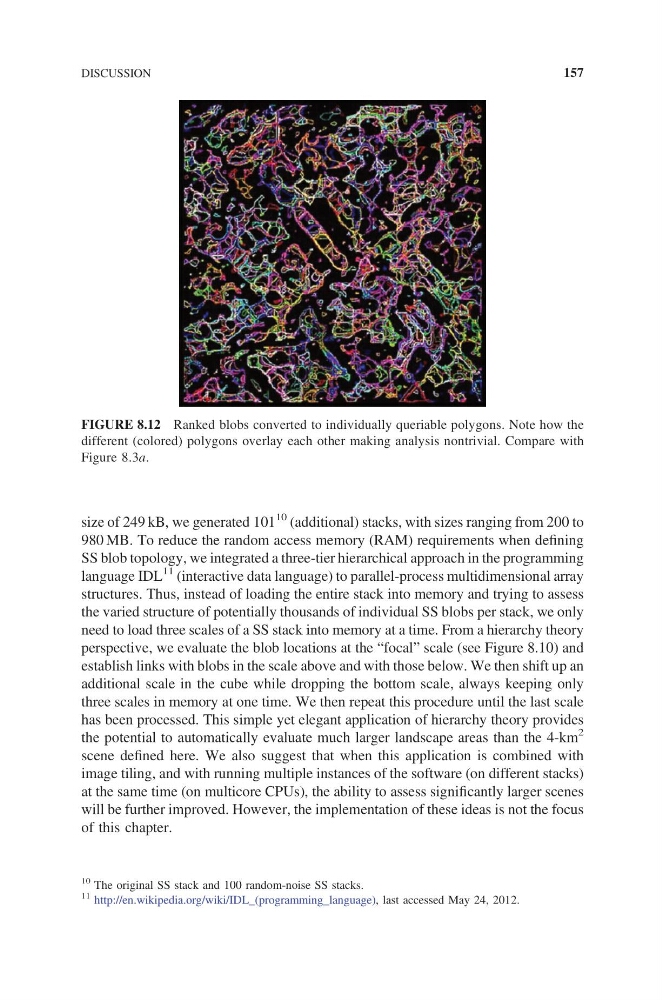
FIGURE 8.12 Ranked blobs converted to individually queriable polygons. Note how the
different (colored) polygons overlay each other making analysis nontrivial. Compare with
Figure 8.3a.
10 The original SS stack and 100 random-noise SS stacks.
11 http://en.wikipedia.org/wiki/IDL_(programming_language), last accessed May 24, 2012.
DISCUSSION
157
10 (addi tional) stack s, with sizes rangi ng from 200 to
980 MB. To reduce the random acc ess mem ory (R AM) requireme nts when de fining
SS blob topol ogy, we integrate d a three -tier h ierarchica l approac h in the progra mming
language IDL
11 (interact ive data language) to paral lel-proces s mul tidimension al array
structure s. Thu s, instead of loading the enti re stack into mem ory and tryi ng to assess
the varie d structure of potential ly thousands of indiv idual SS blobs per stack , we only
need to load three scale s of a SS stack into memory at a tim e. From a hiera rchy theor y
perspectiv e, we evalua te the blob locat ions at the “focal ” scale (see Figure 8.10) and
establish link s wi th blobs in the scale above and with those below. We then shift up an
additional scale in the cube while dropping the bott om scale , always keepin g only
three scale s in memory at one time. We then repeat this procedu re until the last scale
has been proces sed. This sim ple yet elegant appli cation of hierarchy theory p rovides
the potent ial to automati cally evalua te much large r landscape areas than the 4-km
2
scene de fined he re. We also sugges t that when this appli cation is combi ned with
image tiling, and with runni ng multip le instances of the softwar e (on different stacks)
at the same time (on multic ore CPU s), the abil ity to asses s signi ficantly large r scenes
will be further imp roved. How ever, the implem entation of these ideas is not the focus
of this chapter.
FIGURE 8.12 Ranked blobs converted to individually queriable polygons. Note how the
different (colored) polygons overlay each other making analysis nontrivial. Compare with
Figure 8.3a.
10 The original SS stack and 100 random-noise SS stacks.
11 http://en.wikipedia.org/wiki/IDL_(programming_language), last accessed May 24, 2012.
DISCUSSION
157