

176
R. A. Ribeiro Filho et al.
Cyanobacteria were also correlated to the concentration
of total phosphorus and to detritivorous fishes. Cyanobacteria also developed when there was an increase in P
total and showed a negative relationship with detritivores
(Table 13.8). These results indicate that the limiting nutrient
for the development of these algae is P total and that the fishes also play a critically important role in this environment.
These results can be observed in linear regression analyses
that were performed in studies of trophic-level relationships
( a posteriori).
The multiple regression model explained 78 % of the
variability of chlorophyll-a (R = 0.887, R
2
= 0.786, p = 0.001,
F = 22.025, N = 15) and this can be expressed by the model:
13.3.9 Inference of Fish Yield
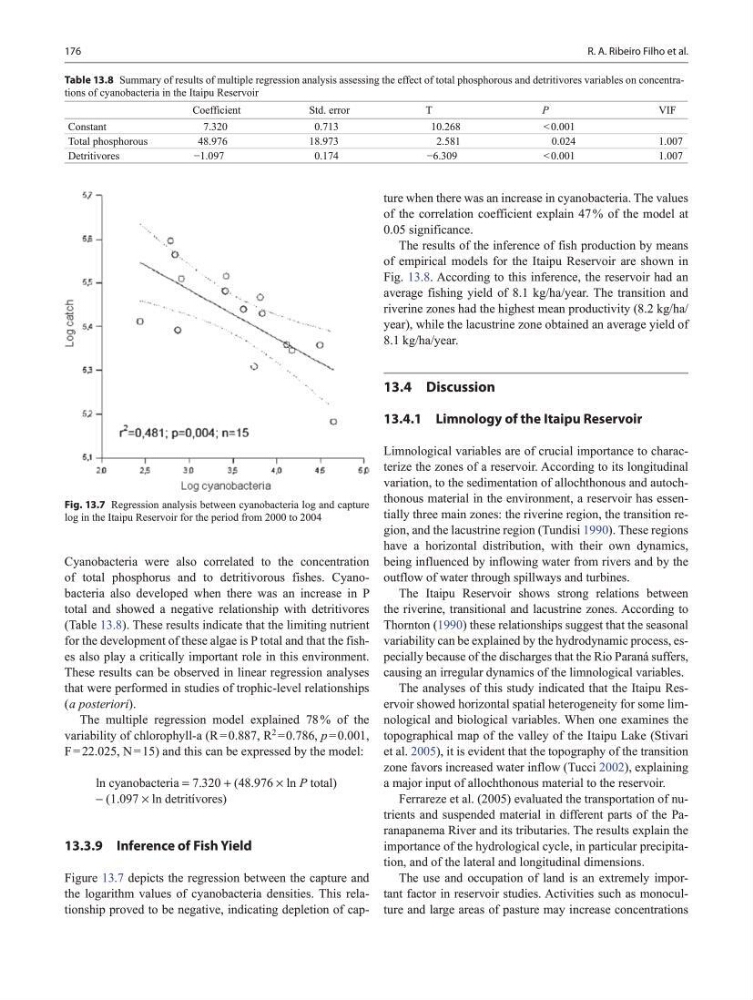
Figure 13.7 depicts the regression between the capture and
the logarithm values of cyanobacteria densities. This relationship proved to be negative, indicating depletion of capln cyanobacteria = 7.320 + (48.976 × ln P total)
- (1.097 × ln detritívores)
ture when there was an increase in cyanobacteria. The values
of the correlation coefficient explain 47 % of the model at
0.05 significance.
The results of the inference of fish production by means
of empirical models for the Itaipu Reservoir are shown in
Fig. 13.8. According to this inference, the reservoir had an
average fishing yield of 8.1 kg/ha/year. The transition and
riverine zones had the highest mean productivity (8.2 kg/ha/
year), while the lacustrine zone obtained an average yield of
8.1 kg/ha/year.
13.4 Discussion
13.4.1 Limnology of the Itaipu Reservoir
Limnological variables are of crucial importance to characterize the zones of a reservoir. According to its longitudinal
variation, to the sedimentation of allochthonous and autochthonous material in the environment, a reservoir has essentially three main zones: the riverine region, the transition region, and the lacustrine region (Tundisi 1990). These regions
have a horizontal distribution, with their own dynamics,
being influenced by inflowing water from rivers and by the
outflow of water through spillways and turbines.
The Itaipu Reservoir shows strong relations between
the riverine, transitional and lacustrine zones. According to
Thornton (1990) these relationships suggest that the seasonal
variability can be explained by the hydrodynamic process, especially because of the discharges that the Rio Paraná suffers,
causing an irregular dynamics of the limnological variables.
The analyses of this study indicated that the Itaipu Reservoir showed horizontal spatial heterogeneity for some limnological and biological variables. When one examines the
topographical map of the valley of the Itaipu Lake (Stivari
et al. 2005), it is evident that the topography of the transition
zone favors increased water inflow (Tucci 2002), explaining
a major input of allochthonous material to the reservoir.
Ferrareze et al. (2005) evaluated the transportation of nutrients and suspended material in different parts of the Paranapanema River and its tributaries. The results explain the
importance of the hydrological cycle, in particular precipitation, and of the lateral and longitudinal dimensions.
The use and occupation of land is an extremely important factor in reservoir studies. Activities such as monoculture and large areas of pasture may increase concentrations
Table 13.8 Summary of results of multiple regression analysis assessing the effect of total phosphorous and detritivores variables on concentrations of cyanobacteria in the Itaipu Reservoir
Coefficient
Std. error
T
P
VIF
Constant
7.320
0.713
10.268
< 0.001
Total phosphorous
48.976
18.973
2.581
0.024
1.007
Detritivores
−1.097
0.174
−6.309
< 0.001
1.007
Fig. 13.7 Regression analysis between cyanobacteria log and capture
log in the Itaipu Reservoir for the period from 2000 to 2004
R. A. Ribeiro Filho et al.
Cyanobacteria were also correlated to the concentration
of total phosphorus and to detritivorous fishes. Cyanobacteria also developed when there was an increase in P
total and showed a negative relationship with detritivores
(Table 13.8). These results indicate that the limiting nutrient
for the development of these algae is P total and that the fishes also play a critically important role in this environment.
These results can be observed in linear regression analyses
that were performed in studies of trophic-level relationships
( a posteriori).
The multiple regression model explained 78 % of the
variability of chlorophyll-a (R = 0.887, R
2
= 0.786, p = 0.001,
F = 22.025, N = 15) and this can be expressed by the model:
13.3.9 Inference of Fish Yield
Figure 13.7 depicts the regression between the capture and
the logarithm values of cyanobacteria densities. This relationship proved to be negative, indicating depletion of capln cyanobacteria = 7.320 + (48.976 × ln P total)
- (1.097 × ln detritívores)
ture when there was an increase in cyanobacteria. The values
of the correlation coefficient explain 47 % of the model at
0.05 significance.
The results of the inference of fish production by means
of empirical models for the Itaipu Reservoir are shown in
Fig. 13.8. According to this inference, the reservoir had an
average fishing yield of 8.1 kg/ha/year. The transition and
riverine zones had the highest mean productivity (8.2 kg/ha/
year), while the lacustrine zone obtained an average yield of
8.1 kg/ha/year.
13.4 Discussion
13.4.1 Limnology of the Itaipu Reservoir
Limnological variables are of crucial importance to characterize the zones of a reservoir. According to its longitudinal
variation, to the sedimentation of allochthonous and autochthonous material in the environment, a reservoir has essentially three main zones: the riverine region, the transition region, and the lacustrine region (Tundisi 1990). These regions
have a horizontal distribution, with their own dynamics,
being influenced by inflowing water from rivers and by the
outflow of water through spillways and turbines.
The Itaipu Reservoir shows strong relations between
the riverine, transitional and lacustrine zones. According to
Thornton (1990) these relationships suggest that the seasonal
variability can be explained by the hydrodynamic process, especially because of the discharges that the Rio Paraná suffers,
causing an irregular dynamics of the limnological variables.
The analyses of this study indicated that the Itaipu Reservoir showed horizontal spatial heterogeneity for some limnological and biological variables. When one examines the
topographical map of the valley of the Itaipu Lake (Stivari
et al. 2005), it is evident that the topography of the transition
zone favors increased water inflow (Tucci 2002), explaining
a major input of allochthonous material to the reservoir.
Ferrareze et al. (2005) evaluated the transportation of nutrients and suspended material in different parts of the Paranapanema River and its tributaries. The results explain the
importance of the hydrological cycle, in particular precipitation, and of the lateral and longitudinal dimensions.
The use and occupation of land is an extremely important factor in reservoir studies. Activities such as monoculture and large areas of pasture may increase concentrations
Table 13.8 Summary of results of multiple regression analysis assessing the effect of total phosphorous and detritivores variables on concentrations of cyanobacteria in the Itaipu Reservoir
Coefficient
Std. error
T
P
VIF
Constant
7.320
0.713
10.268
< 0.001
Total phosphorous
48.976
18.973
2.581
0.024
1.007
Detritivores
−1.097
0.174
−6.309
< 0.001
1.007
Fig. 13.7 Regression analysis between cyanobacteria log and capture
log in the Itaipu Reservoir for the period from 2000 to 2004