

301
Table 3 Variables that can be derived from the EODESM system
Theme
Description
Biodiversity
Disturbance regime (Ecosystem function)
Ecosystem composition by functional type (Ecosystem structure)
Ecosystem extent and fragmentation (Ecosystem structure)
Habitat structure (Ecosystem structure)
Primary and secondary productivity (Ecosystem function)
Population structure by age/size class (Species populations)
Species distribution (Species populations)
Species interactions (Community composition)
Climate and Water Fire disturbance (Land)
Land cover, including vegetation type (Land)
River discharge (Land)
Water use (Land)
Ocean
Mangrove, saltmarsh and sea grass area (Biology and Ecosystems)
Urban
Land use and land cover in relation to urban development and change
Health
Famine early warning, short term forecasting of communicative diseases
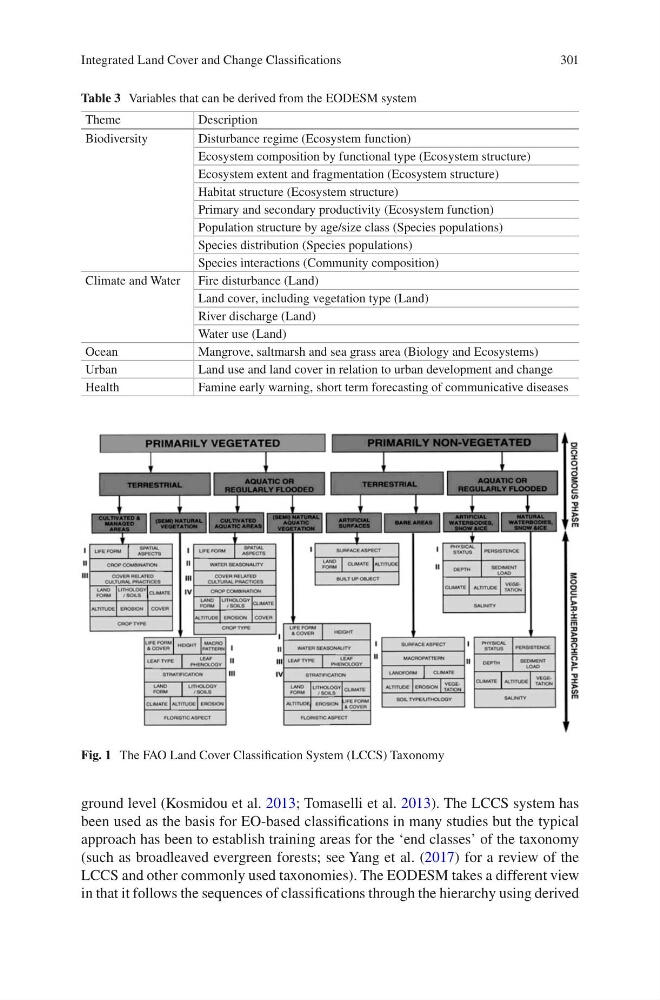
Fig. 1 The FAO Land Cover Classification System (LCCS) Taxonomy
ground level (Kosmidou et al. 2013; Tomaselli et al. 2013). The LCCS system has
been used as the basis for EO-based classifications in many studies but the typical
approach has been to establish training areas for the ‘end classes’ of the taxonomy
(such as broadleaved evergreen forests; see Yang et al. (2017) for a review of the
LCCS and other commonly used taxonomies). The EODESM takes a different view
in that it follows the sequences of classifications through the hierarchy using derived
Integrated Land Cover and Change Classifications
Table 3 Variables that can be derived from the EODESM system
Theme
Description
Biodiversity
Disturbance regime (Ecosystem function)
Ecosystem composition by functional type (Ecosystem structure)
Ecosystem extent and fragmentation (Ecosystem structure)
Habitat structure (Ecosystem structure)
Primary and secondary productivity (Ecosystem function)
Population structure by age/size class (Species populations)
Species distribution (Species populations)
Species interactions (Community composition)
Climate and Water Fire disturbance (Land)
Land cover, including vegetation type (Land)
River discharge (Land)
Water use (Land)
Ocean
Mangrove, saltmarsh and sea grass area (Biology and Ecosystems)
Urban
Land use and land cover in relation to urban development and change
Health
Famine early warning, short term forecasting of communicative diseases
Fig. 1 The FAO Land Cover Classification System (LCCS) Taxonomy
ground level (Kosmidou et al. 2013; Tomaselli et al. 2013). The LCCS system has
been used as the basis for EO-based classifications in many studies but the typical
approach has been to establish training areas for the ‘end classes’ of the taxonomy
(such as broadleaved evergreen forests; see Yang et al. (2017) for a review of the
LCCS and other commonly used taxonomies). The EODESM takes a different view
in that it follows the sequences of classifications through the hierarchy using derived
Integrated Land Cover and Change Classifications