

Two of the most interesting and studied cyanobacteria are Arthrospira and
Spirulina (Fig. 8.3). They contain high amounts of protein. Particularly, Arthospira
reach 50–70 % protein in its composition and a low-nucleic acid content (4 %), fatty
polyunsaturated acids (1.5–2 %), lipids (5–6 %) as well as thiamine (B1),
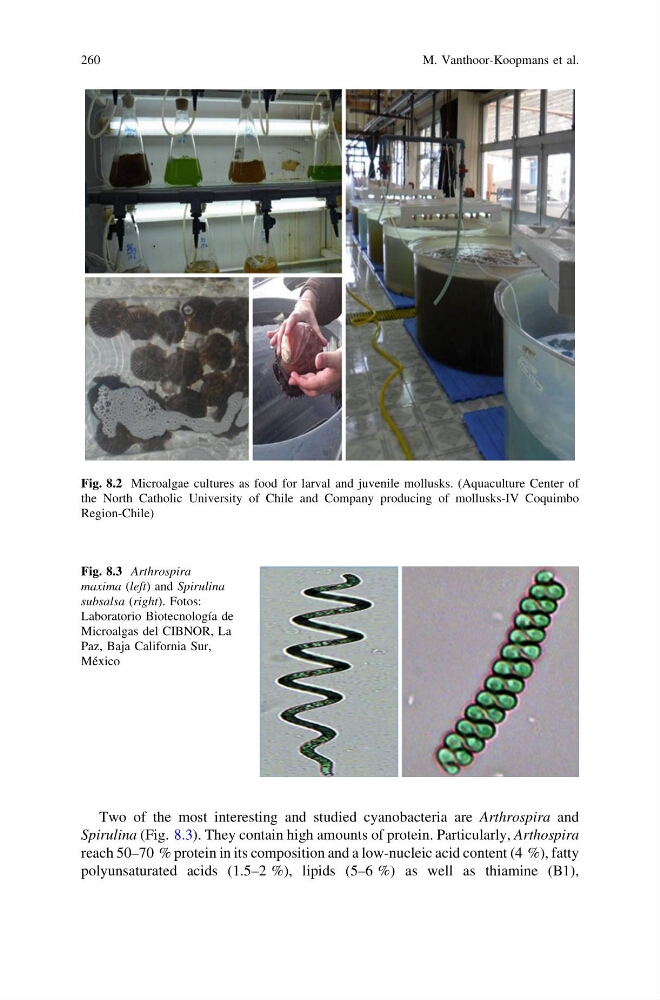
Fig. 8.2 Microalgae cultures as food for larval and juvenile mollusks. (Aquaculture Center of
the North Catholic University of Chile and Company producing of mollusks-IV Coquimbo
Region-Chile)
Fig. 8.3 Arthrospira
maxima (left) and Spirulina
subsalsa (right). Fotos:
Laboratorio Biotecnología de
Microalgas del CIBNOR, La
Paz, Baja California Sur,
México
260
M. Vanthoor-Koopmans et al.
Spirulina (Fig. 8.3). They contain high amounts of protein. Particularly, Arthospira
reach 50–70 % protein in its composition and a low-nucleic acid content (4 %), fatty
polyunsaturated acids (1.5–2 %), lipids (5–6 %) as well as thiamine (B1),
Fig. 8.2 Microalgae cultures as food for larval and juvenile mollusks. (Aquaculture Center of
the North Catholic University of Chile and Company producing of mollusks-IV Coquimbo
Region-Chile)
Fig. 8.3 Arthrospira
maxima (left) and Spirulina
subsalsa (right). Fotos:
Laboratorio Biotecnología de
Microalgas del CIBNOR, La
Paz, Baja California Sur,
México
260
M. Vanthoor-Koopmans et al.