

H. pluvialis can accumulate the highest level of astaxanthin in nature
(1.5–3.0 % dry weight). The carotenoid pigment is a potent radical scavenger and
singlet oxygen quencher, and surpasses the antioxidant benefits of b-carotene,
vitamin C, and vitamin E. Haematococcus is currently the prime natural source of
this pigment for commercial exploitation, particularly in aquaculture salmon and
trout farming (Lorenz and Cysewski 2000). In fact, there are extensive culture
zones in the north of Chile, near Atacama desert. Production is basically directed
to human consumption.
D. salina is a halotolerant microalga which can be found in the sea, salty lakes,
and salt reservoirs. This species is able to accumulate large amounts of glycerol and
b-carotene, both with high value in the chemical industry. b-catorene is a valuable
chemical mainly used as natural food coloring and provitamin A (retinol). In culture
conditions, some strains of Dunaliella can contain up to 10 % and great amounts of
b-carotene under stress conditions (Ben-Amotz and Avron 1980; Oren 2005).
The marine microalga I. galbana is considered an important source for food
production, a valuable source of polyunsaturated fatty acids (LC-PUFA), pigments, and other nutraceuticals (Bandarra et al. 2003), mainly eicosapentaenoic
acid (EPA, 20:5x3) and also docosahexaenoic acid (DHA, 22:6x3) that are
accumulated as oil droplets in the cell (Liu and Lin 2001). These microalgae have
been used as a feed species for commercial rearing of many aquatic animals,
vertebrate and invertebrate, particularly larval and juvenile mollusks (Fig. 8.2),
crustaceans, and fish species (Fidalgo et al. 1998), as well as an alternative source
for human feeding.
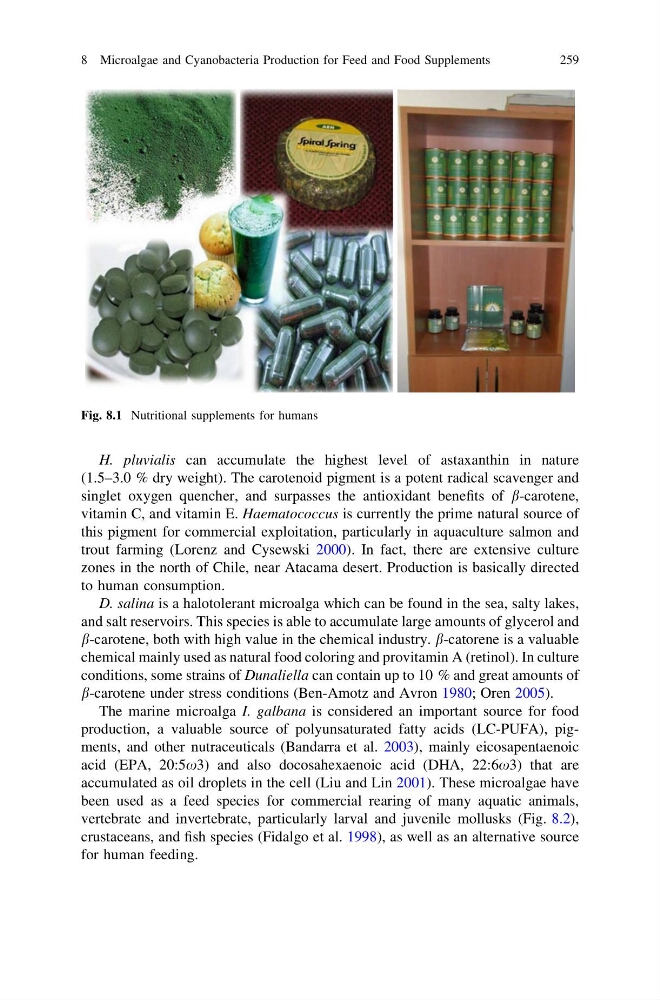
Fig. 8.1 Nutritional supplements for humans
8 Microalgae and Cyanobacteria Production for Feed and Food Supplements
259
(1.5–3.0 % dry weight). The carotenoid pigment is a potent radical scavenger and
singlet oxygen quencher, and surpasses the antioxidant benefits of b-carotene,
vitamin C, and vitamin E. Haematococcus is currently the prime natural source of
this pigment for commercial exploitation, particularly in aquaculture salmon and
trout farming (Lorenz and Cysewski 2000). In fact, there are extensive culture
zones in the north of Chile, near Atacama desert. Production is basically directed
to human consumption.
D. salina is a halotolerant microalga which can be found in the sea, salty lakes,
and salt reservoirs. This species is able to accumulate large amounts of glycerol and
b-carotene, both with high value in the chemical industry. b-catorene is a valuable
chemical mainly used as natural food coloring and provitamin A (retinol). In culture
conditions, some strains of Dunaliella can contain up to 10 % and great amounts of
b-carotene under stress conditions (Ben-Amotz and Avron 1980; Oren 2005).
The marine microalga I. galbana is considered an important source for food
production, a valuable source of polyunsaturated fatty acids (LC-PUFA), pigments, and other nutraceuticals (Bandarra et al. 2003), mainly eicosapentaenoic
acid (EPA, 20:5x3) and also docosahexaenoic acid (DHA, 22:6x3) that are
accumulated as oil droplets in the cell (Liu and Lin 2001). These microalgae have
been used as a feed species for commercial rearing of many aquatic animals,
vertebrate and invertebrate, particularly larval and juvenile mollusks (Fig. 8.2),
crustaceans, and fish species (Fidalgo et al. 1998), as well as an alternative source
for human feeding.
Fig. 8.1 Nutritional supplements for humans
8 Microalgae and Cyanobacteria Production for Feed and Food Supplements
259