

304
S. Lehner et al.
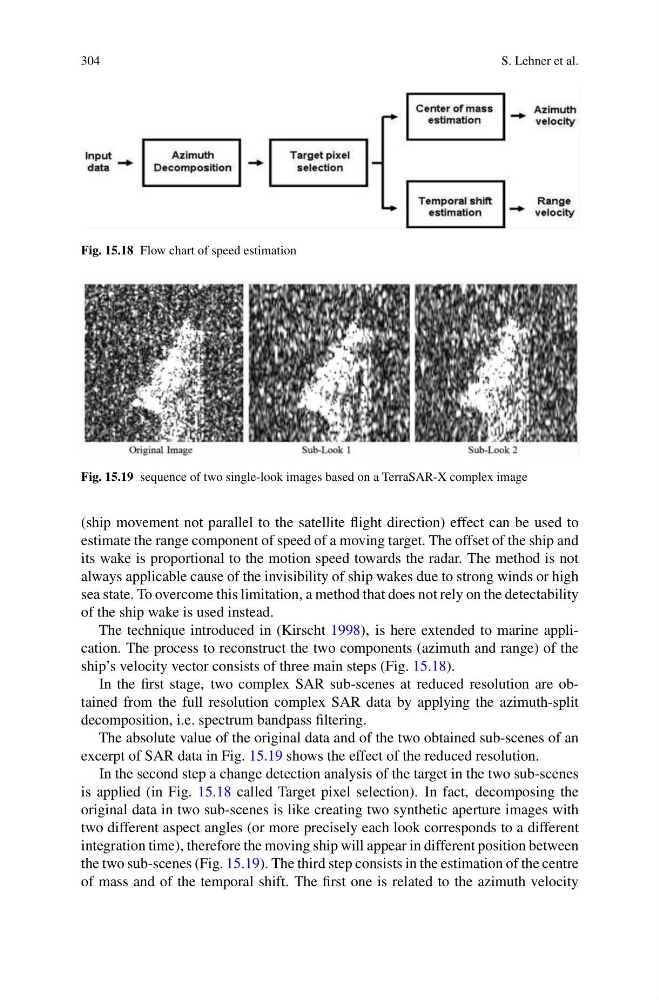
Fig. 15.18 Flow chart of speed estimation
Fig. 15.19 sequence of two single-look images based on a TerraSAR-X complex image
(ship movement not parallel to the satellite flight direction) effect can be used to
estimate the range component of speed of a moving target. The offset of the ship and
its wake is proportional to the motion speed towards the radar. The method is not
always applicable cause of the invisibility of ship wakes due to strong winds or high
sea state. To overcome this limitation, a method that does not rely on the detectability
of the ship wake is used instead.
The technique introduced in (Kirscht 1998), is here extended to marine application. The process to reconstruct the two components (azimuth and range) of the
ship’s velocity vector consists of three main steps (Fig. 15.18).
In the first stage, two complex SAR sub-scenes at reduced resolution are obtained from the full resolution complex SAR data by applying the azimuth-split
decomposition, i.e. spectrum bandpass filtering.
The absolute value of the original data and of the two obtained sub-scenes of an
excerpt of SAR data in Fig. 15.19 shows the effect of the reduced resolution.
In the second step a change detection analysis of the target in the two sub-scenes
is applied (in Fig. 15.18 called Target pixel selection). In fact, decomposing the
original data in two sub-scenes is like creating two synthetic aperture images with
two different aspect angles (or more precisely each look corresponds to a different
integration time), therefore the moving ship will appear in different position between
the two sub-scenes (Fig. 15.19). The third step consists in the estimation of the centre
of mass and of the temporal shift. The first one is related to the azimuth velocity
S. Lehner et al.
Fig. 15.18 Flow chart of speed estimation
Fig. 15.19 sequence of two single-look images based on a TerraSAR-X complex image
(ship movement not parallel to the satellite flight direction) effect can be used to
estimate the range component of speed of a moving target. The offset of the ship and
its wake is proportional to the motion speed towards the radar. The method is not
always applicable cause of the invisibility of ship wakes due to strong winds or high
sea state. To overcome this limitation, a method that does not rely on the detectability
of the ship wake is used instead.
The technique introduced in (Kirscht 1998), is here extended to marine application. The process to reconstruct the two components (azimuth and range) of the
ship’s velocity vector consists of three main steps (Fig. 15.18).
In the first stage, two complex SAR sub-scenes at reduced resolution are obtained from the full resolution complex SAR data by applying the azimuth-split
decomposition, i.e. spectrum bandpass filtering.
The absolute value of the original data and of the two obtained sub-scenes of an
excerpt of SAR data in Fig. 15.19 shows the effect of the reduced resolution.
In the second step a change detection analysis of the target in the two sub-scenes
is applied (in Fig. 15.18 called Target pixel selection). In fact, decomposing the
original data in two sub-scenes is like creating two synthetic aperture images with
two different aspect angles (or more precisely each look corresponds to a different
integration time), therefore the moving ship will appear in different position between
the two sub-scenes (Fig. 15.19). The third step consists in the estimation of the centre
of mass and of the temporal shift. The first one is related to the azimuth velocity