

18.2. The Mod el
399
Shrimp
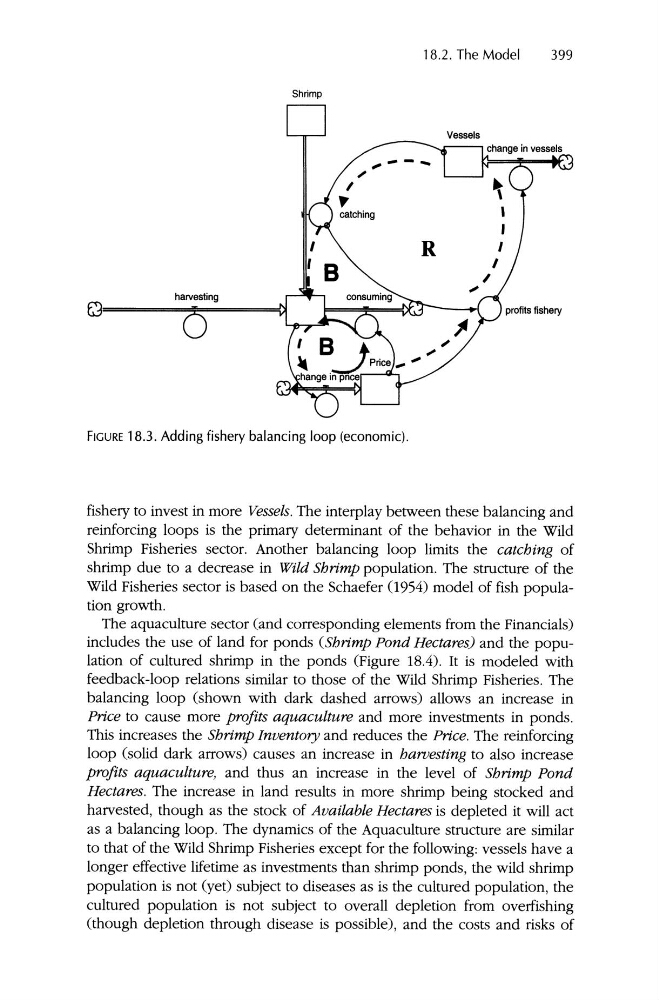
FIGURE 18.3. Adding fishery balancing loop (economic).
fishery to invest in more Vessels. The interplay between these balancing and
reinforcing loop s is the primary determinant of the beh avior in the Wild
Shrimp Fisherie s sector. Another balancing loop limits the catching of
shrimp due to a decrease in Wild Shrimp population . The structure of the
Wild Fisherie s sector is based on the Schaefer (954) model of fish population growth .
The aquaculture sector (and correspo nding elements from the Financials)
includes the use of land for ponds (Sh rimp Pond Hectares) and the population of cultured shrimp in the ponds (Figure 18.4). It is modeled with
feedback-loop relations similar to those of the Wild Shrimp Fisheries. The
balancing loop (shown with dark dashed arrows) allows an increase in
Price to cause more profits aquaculture and more investments in ponds.
This increases the Shrimp In ventory and reduces the Price. The reinforcing
loop (solid dark arrows) causes an increase in harvesting to also increase
profits aquaculture, and thus an increase in the level of Shrimp Pond
Hectares. The increase in land results in more shrimp being stocked and
harvested , though as the stock of Available Hectares is depleted it will act
as a balancing loop . The dynamics of the Aquaculture structure are similar
to that of the Wild Shrimp Fisheries exce pt for the follow ing: vessels have a
longer effective lifetime as investments than shrimp ponds, the wild shrimp
popul ation is not (yet) subject to diseases as is the cultured popul ation , the
cultured popul ation is not subject to overall depletion from overfishing
(though depletion through disease is possible), and the costs and risks of
399
Shrimp
FIGURE 18.3. Adding fishery balancing loop (economic).
fishery to invest in more Vessels. The interplay between these balancing and
reinforcing loop s is the primary determinant of the beh avior in the Wild
Shrimp Fisherie s sector. Another balancing loop limits the catching of
shrimp due to a decrease in Wild Shrimp population . The structure of the
Wild Fisherie s sector is based on the Schaefer (954) model of fish population growth .
The aquaculture sector (and correspo nding elements from the Financials)
includes the use of land for ponds (Sh rimp Pond Hectares) and the population of cultured shrimp in the ponds (Figure 18.4). It is modeled with
feedback-loop relations similar to those of the Wild Shrimp Fisheries. The
balancing loop (shown with dark dashed arrows) allows an increase in
Price to cause more profits aquaculture and more investments in ponds.
This increases the Shrimp In ventory and reduces the Price. The reinforcing
loop (solid dark arrows) causes an increase in harvesting to also increase
profits aquaculture, and thus an increase in the level of Shrimp Pond
Hectares. The increase in land results in more shrimp being stocked and
harvested , though as the stock of Available Hectares is depleted it will act
as a balancing loop . The dynamics of the Aquaculture structure are similar
to that of the Wild Shrimp Fisheries exce pt for the follow ing: vessels have a
longer effective lifetime as investments than shrimp ponds, the wild shrimp
popul ation is not (yet) subject to diseases as is the cultured popul ation , the
cultured popul ation is not subject to overall depletion from overfishing
(though depletion through disease is possible), and the costs and risks of