

116
J. Nabhitabhata and S. Segawa
7.2.2 Hatchery Seed Production and Seed Release
7.2.2.1 Octopus vulgaris
The common octopus, O� vulgaris, is an economic marine species especially in the
Seto Inland Sea of Japan. Octopus pots have been introduced into the fishing ground
as a spawning aid during the spawning period of O� vulgaris since 1931 with the aim
to protect females for enhancement of the stock (Tauti and Matsumoto 1954). Itami
et al. (1963) reared the planktonic hatchlings (paralarvae) of this species to its settling young stage and beyond by feeding with the zoea larvae of Palaemon serrifer.
SISFFA also started a project in 1964 to culture O� vulgaris for restocking. The project produced 150,000 paralarval individuals (with 14–15 suckers over 20–25 days
after hatching) in the first year, and 157 settling paralarvae (with 12–19 suckers over
31 days after hatching) in 1982 with a yield rate of 13.1 % from hatching (JASFA
2003). Except from mid-1967 to 1980, JASFA and FRA have continued this project
until the present day (JASFA 2003). In addition to seed production for restocking octopus, the Kagawa Prefecture has irregularly transplanted juvenile octopus into the
spawning grounds in the Seto Inland Sea every year in order to enhance the stocks:
15,000 juveniles in 1979 and 5,432 juveniles of 64 mm mean TL in 2002.
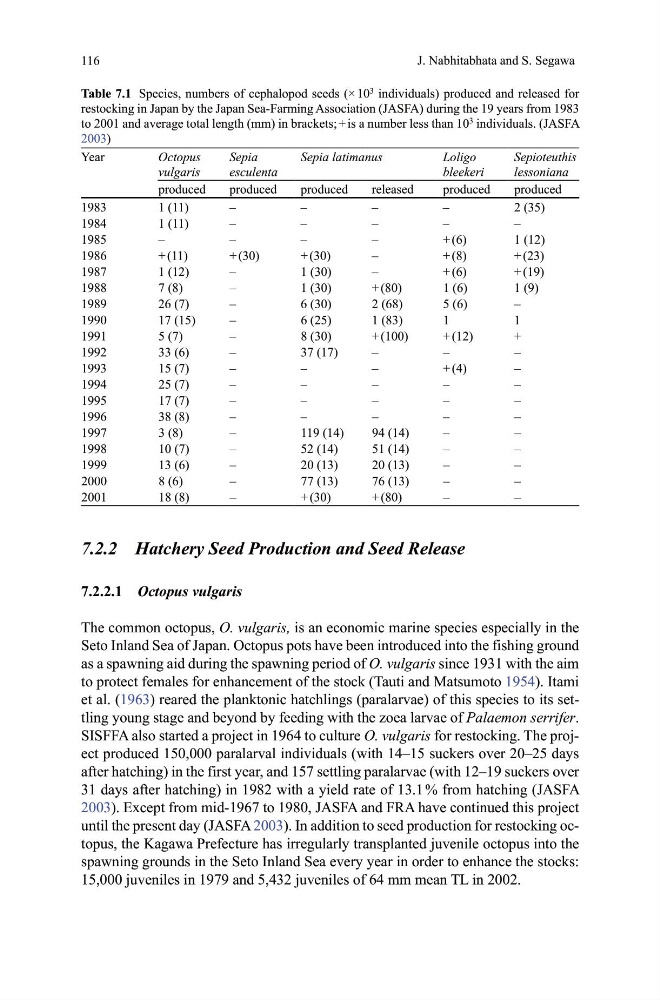
Table 7.1 Species, numbers of cephalopod seeds (× 10
3
individuals) produced and released for
restocking in Japan by the Japan Sea-Farming Association (JASFA) during the 19 years from 1983
to 2001 and average total length (mm) in brackets; + is a number less than 10
3
individuals. (JASFA
2003)
Year
Octopus
vulgaris
Sepia
esculenta
Sepia latimanus
Loligo
bleekeri
Sepioteuthis
lessoniana
produced
produced
produced
released
produced
produced
1983
1 (11)
–
–
–
–
2 (35)
1984
1 (11)
–
–
–
–
–
1985
–
–
–
–
+ (6)
1 (12)
1986
+ (11)
+ (30)
+ (30)
–
+ (8)
+ (23)
1987
1 (12)
–
1 (30)
–
+ (6)
+ (19)
1988
7 (8)
–
1 (30)
+ (80)
1 (6)
1 (9)
1989
26 (7)
–
6 (30)
2 (68)
5 (6)
–
1990
17 (15)
–
6 (25)
1 (83)
1
1
1991
5 (7)
–
8 (30)
+ (100)
+ (12)
+
1992
33 (6)
–
37 (17)
–
–
–
1993
15 (7)
–
–
–
+ (4)
–
1994
25 (7)
–
–
–
–
–
1995
17 (7)
–
–
–
–
–
1996
38 (8)
–
–
–
–
–
1997
3 (8)
–
119 (14)
94 (14)
–
–
1998
10 (7)
–
52 (14)
51 (14)
–
–
1999
13 (6)
–
20 (13)
20 (13)
–
–
2000
8 (6)
–
77 (13)
76 (13)
–
–
2001
18 (8)
–
+ (30)
+ (80)
–
–
J. Nabhitabhata and S. Segawa
7.2.2 Hatchery Seed Production and Seed Release
7.2.2.1 Octopus vulgaris
The common octopus, O� vulgaris, is an economic marine species especially in the
Seto Inland Sea of Japan. Octopus pots have been introduced into the fishing ground
as a spawning aid during the spawning period of O� vulgaris since 1931 with the aim
to protect females for enhancement of the stock (Tauti and Matsumoto 1954). Itami
et al. (1963) reared the planktonic hatchlings (paralarvae) of this species to its settling young stage and beyond by feeding with the zoea larvae of Palaemon serrifer.
SISFFA also started a project in 1964 to culture O� vulgaris for restocking. The project produced 150,000 paralarval individuals (with 14–15 suckers over 20–25 days
after hatching) in the first year, and 157 settling paralarvae (with 12–19 suckers over
31 days after hatching) in 1982 with a yield rate of 13.1 % from hatching (JASFA
2003). Except from mid-1967 to 1980, JASFA and FRA have continued this project
until the present day (JASFA 2003). In addition to seed production for restocking octopus, the Kagawa Prefecture has irregularly transplanted juvenile octopus into the
spawning grounds in the Seto Inland Sea every year in order to enhance the stocks:
15,000 juveniles in 1979 and 5,432 juveniles of 64 mm mean TL in 2002.
Table 7.1 Species, numbers of cephalopod seeds (× 10
3
individuals) produced and released for
restocking in Japan by the Japan Sea-Farming Association (JASFA) during the 19 years from 1983
to 2001 and average total length (mm) in brackets; + is a number less than 10
3
individuals. (JASFA
2003)
Year
Octopus
vulgaris
Sepia
esculenta
Sepia latimanus
Loligo
bleekeri
Sepioteuthis
lessoniana
produced
produced
produced
released
produced
produced
1983
1 (11)
–
–
–
–
2 (35)
1984
1 (11)
–
–
–
–
–
1985
–
–
–
–
+ (6)
1 (12)
1986
+ (11)
+ (30)
+ (30)
–
+ (8)
+ (23)
1987
1 (12)
–
1 (30)
–
+ (6)
+ (19)
1988
7 (8)
–
1 (30)
+ (80)
1 (6)
1 (9)
1989
26 (7)
–
6 (30)
2 (68)
5 (6)
–
1990
17 (15)
–
6 (25)
1 (83)
1
1
1991
5 (7)
–
8 (30)
+ (100)
+ (12)
+
1992
33 (6)
–
37 (17)
–
–
–
1993
15 (7)
–
–
–
+ (4)
–
1994
25 (7)
–
–
–
–
–
1995
17 (7)
–
–
–
–
–
1996
38 (8)
–
–
–
–
–
1997
3 (8)
–
119 (14)
94 (14)
–
–
1998
10 (7)
–
52 (14)
51 (14)
–
–
1999
13 (6)
–
20 (13)
20 (13)
–
–
2000
8 (6)
–
77 (13)
76 (13)
–
–
2001
18 (8)
–
+ (30)
+ (80)
–
–