

(e.g., the onset of algal blooms or changes in water quality due to illicit discharges).
Real-time alarming and alerting provides water resource managers with the information needed to make adaptive sampling and management decisions. For example, based on real-time data sampling, crews may be dispatched to collect additional
data and water samples, or recreational water use bans may be implemented to
protect public health from events such as harmful algal blooms.
6 Data Management and Quality Assurance/Quality
Control
Data quality should be paramount above all else with a monitoring program. After
all, in most cases monitoring programs are developed to collect data, so informed
water resource management decisions can be made. Those management decisions
will ultimately only be as good as the data they are based on. With all of the recent
advancements in water sensor technology, it is easy to get heavily focused on the
deployment, operations and maintenance of monitoring instrumentation, and the
collection of massive amounts of temporally and spatially intensive data. Unfortunately, many monitoring programs get so focused on the physical collection of the
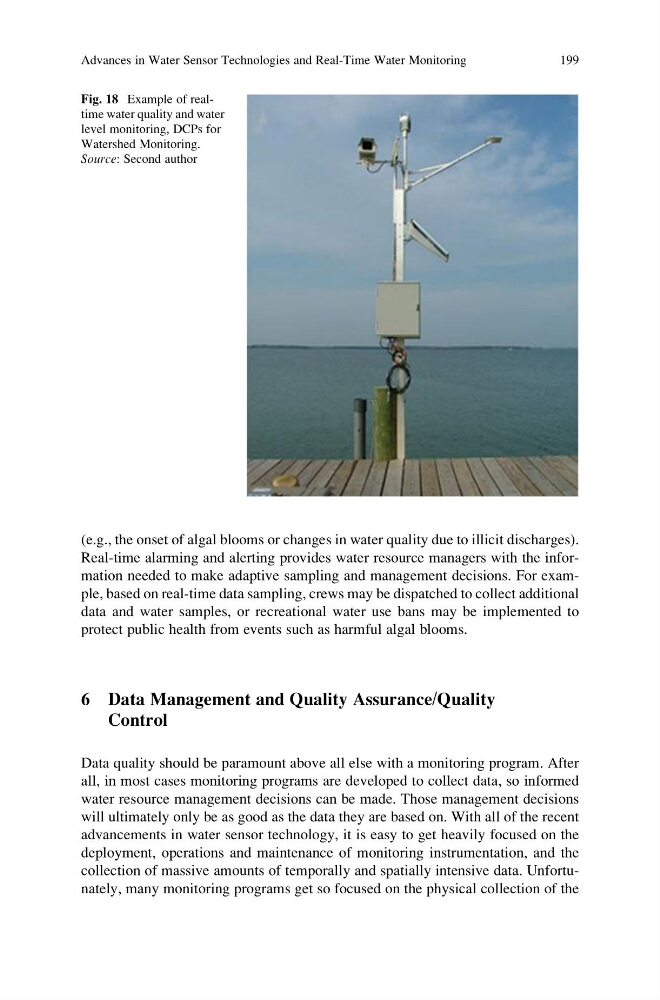
Fig. 18 Example of realtime water quality and water
level monitoring, DCPs for
Watershed Monitoring.
Source: Second author
Advances in Water Sensor Technologies and Real-Time Water Monitoring
199
Real-time alarming and alerting provides water resource managers with the information needed to make adaptive sampling and management decisions. For example, based on real-time data sampling, crews may be dispatched to collect additional
data and water samples, or recreational water use bans may be implemented to
protect public health from events such as harmful algal blooms.
6 Data Management and Quality Assurance/Quality
Control
Data quality should be paramount above all else with a monitoring program. After
all, in most cases monitoring programs are developed to collect data, so informed
water resource management decisions can be made. Those management decisions
will ultimately only be as good as the data they are based on. With all of the recent
advancements in water sensor technology, it is easy to get heavily focused on the
deployment, operations and maintenance of monitoring instrumentation, and the
collection of massive amounts of temporally and spatially intensive data. Unfortunately, many monitoring programs get so focused on the physical collection of the
Fig. 18 Example of realtime water quality and water
level monitoring, DCPs for
Watershed Monitoring.
Source: Second author
Advances in Water Sensor Technologies and Real-Time Water Monitoring
199