

460
The Xuan Thuy Wetland Reserve is a Ramsar
site sits along the coast of northern Vietnam, at the
mouth of the Red River. Natural and human forces
continually reshape the land in this area. Land loss
results from the increase of aquaculture. Soil is used
to create dykes or fi sh ponds. This conversion of
wetland to aquaculture is evident in both the Ramsar
and the non-Ramsar sites. It has been found that the
Ramsar site actually experienced a faster aquaculture conversion rate than the non-Ramsar site.
21.14.1.2 Quang Nam Province
Quang Nam Province witnesses strong presence
of WWF on the ground. Also, despite the relative
poverty and many resource-use confl icts related
to wetlands, there has been some intervention
from the international donor community, which,
possibly, had improved the situation. The lowland delta has traditionally been rich in fi sh.
Peoples’ livelihoods are based on fi shing and rice
cultivation in harmony with annual fl oods occurring in the rainy season. The province has been
promoting aquaculture, particularly shrimp farming, which has accelerated destruction of mangroves and conversion of farmland into shrimp
farms. Shrimp farming brought visible benefi ts to
local residents for few years but, as elsewhere,
has proven to be unsustainable. Loss of mangrove forest area has resulted in signifi cant loss
of fi shing resources. There is also an increase in
the number and severity of confl icts between
fi shers and tourism operators over the use of
water resources.
21.14.1.3 In Phu Quoc (Fishing
Grounds in Vietnam)
The Phu Quoc region hosts the busiest fi shing
grounds in Vietnam (Plate 21.12 ), with some
2,000 fi shing vessels on the island and likely several times more this number using the region
from other ports across the country. The main
species harvested include anchovies (processed
into fi sh sauce or ‘nuoc mắm’), grouper, crab,
squid, mackerel and various shellfi sh species.
Fishing represents the most important source of
income on the island, with the majority of the
island’s 80,000 people engaged either directly or
indirectly in the fi shing industry.
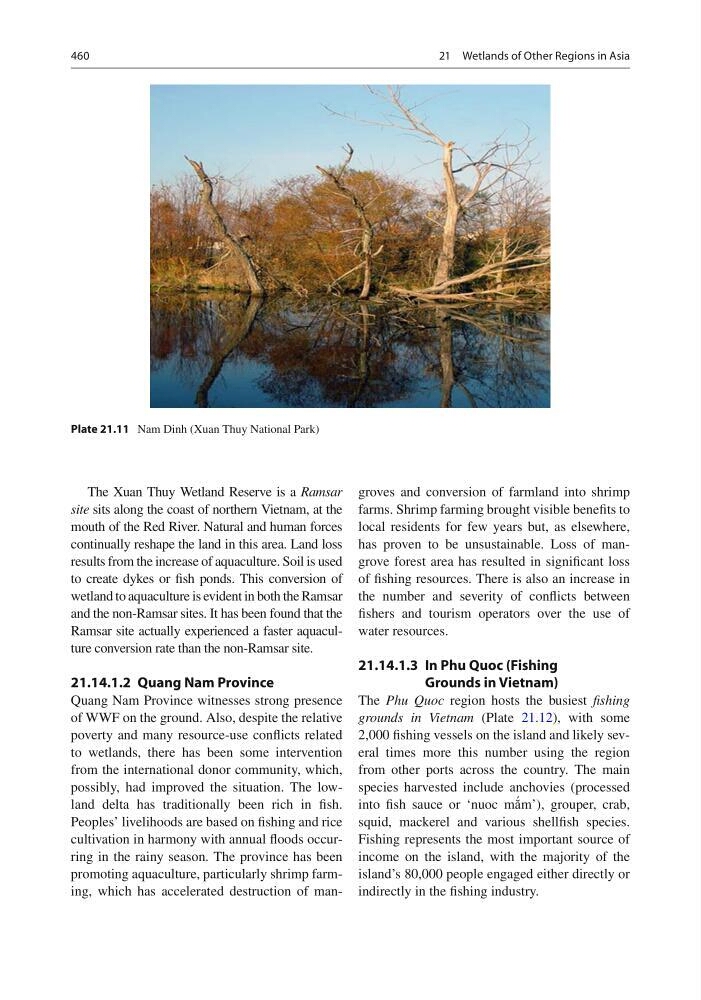
Plate 21.11 Nam Dinh (Xuan Thuy National Park)
21 Wetlands of Other Regions in Asia
The Xuan Thuy Wetland Reserve is a Ramsar
site sits along the coast of northern Vietnam, at the
mouth of the Red River. Natural and human forces
continually reshape the land in this area. Land loss
results from the increase of aquaculture. Soil is used
to create dykes or fi sh ponds. This conversion of
wetland to aquaculture is evident in both the Ramsar
and the non-Ramsar sites. It has been found that the
Ramsar site actually experienced a faster aquaculture conversion rate than the non-Ramsar site.
21.14.1.2 Quang Nam Province
Quang Nam Province witnesses strong presence
of WWF on the ground. Also, despite the relative
poverty and many resource-use confl icts related
to wetlands, there has been some intervention
from the international donor community, which,
possibly, had improved the situation. The lowland delta has traditionally been rich in fi sh.
Peoples’ livelihoods are based on fi shing and rice
cultivation in harmony with annual fl oods occurring in the rainy season. The province has been
promoting aquaculture, particularly shrimp farming, which has accelerated destruction of mangroves and conversion of farmland into shrimp
farms. Shrimp farming brought visible benefi ts to
local residents for few years but, as elsewhere,
has proven to be unsustainable. Loss of mangrove forest area has resulted in signifi cant loss
of fi shing resources. There is also an increase in
the number and severity of confl icts between
fi shers and tourism operators over the use of
water resources.
21.14.1.3 In Phu Quoc (Fishing
Grounds in Vietnam)
The Phu Quoc region hosts the busiest fi shing
grounds in Vietnam (Plate 21.12 ), with some
2,000 fi shing vessels on the island and likely several times more this number using the region
from other ports across the country. The main
species harvested include anchovies (processed
into fi sh sauce or ‘nuoc mắm’), grouper, crab,
squid, mackerel and various shellfi sh species.
Fishing represents the most important source of
income on the island, with the majority of the
island’s 80,000 people engaged either directly or
indirectly in the fi shing industry.
Plate 21.11 Nam Dinh (Xuan Thuy National Park)
21 Wetlands of Other Regions in Asia