

461
21.15 Wetlands of Malaysia
There are large numbers of wetlands in Malaysia.
However, an account of the lentic bodies in
Malaysia is briefl y given below.
21.15.1 Bera Lake
Bera Lake ( Tasik Bera in Malay) lies between 3°
49′ 00″ N and 102° 25′ 00″ E and is a natural freshwater lake system, situated in southwest Pahang,
Malaysia, in the saddle of the main and eastern
mountain ranges of Peninsular Malaysia. The core
zone consists of 260 km
2 (26,000 ha) and the buffer
zone of 275 km
2 (27,500 ha). The wetland (commonly called lake) drains into the Pahang River,
which is the primary outfl ow. It has a maximum
length and breadth of 35 km and 20 km, respectively. It (Plate 21.13 ) is the largest freshwater
swamp in Peninsular Malaysia. It is surrounded by
a patchwork of dry lowland dipterocarp forests.
The lake environment includes islands of peat
swamp forests rich in wildlife and vegetation. The
ecosystem supports a rich diversity of animal and
plant life and sustains the livelihood of the Semai
tribe of the Orang Asli people (race) inhabiting the
wetlands. It has been protected under the Ramsar
Convention since November 1994.
21.15.2 Kota Kinabalu Wetland
Centre
It is the only remains of 24 ha of mangrove
forest which had once existed extensively
along the coastal region of Kota Kinabalu in
Malaysia. It was previously known as Likas
Swamp or Likas Mangrove and later it was
called the Kota Kinabalu City Bird Sanctuary.
The place got priority out of 20 wetlands
selected by the Sabah Wetlands Inventory
Committee in 1986.
The centre is an important refuge and feeding ground for many species of resident and
migratory birds from Northern Asia. In addition, it is a breeding ground for marine life protected by the Fishery Department of Sabah.
Apart from providing shelter and food for both
resident and migratory species of wildlife,
these wetlands also prevent salt build-up in
surrounding freshwater supplies, stabilising
sedimentation, storing nutrients and removing
toxins.
21.15.2.1 Avifauna
Birds from around the globe, including nonbreeding winter visitors, are commonly sighted at
the sanctuary, especially during migratory season
of Asian birds (September–April).
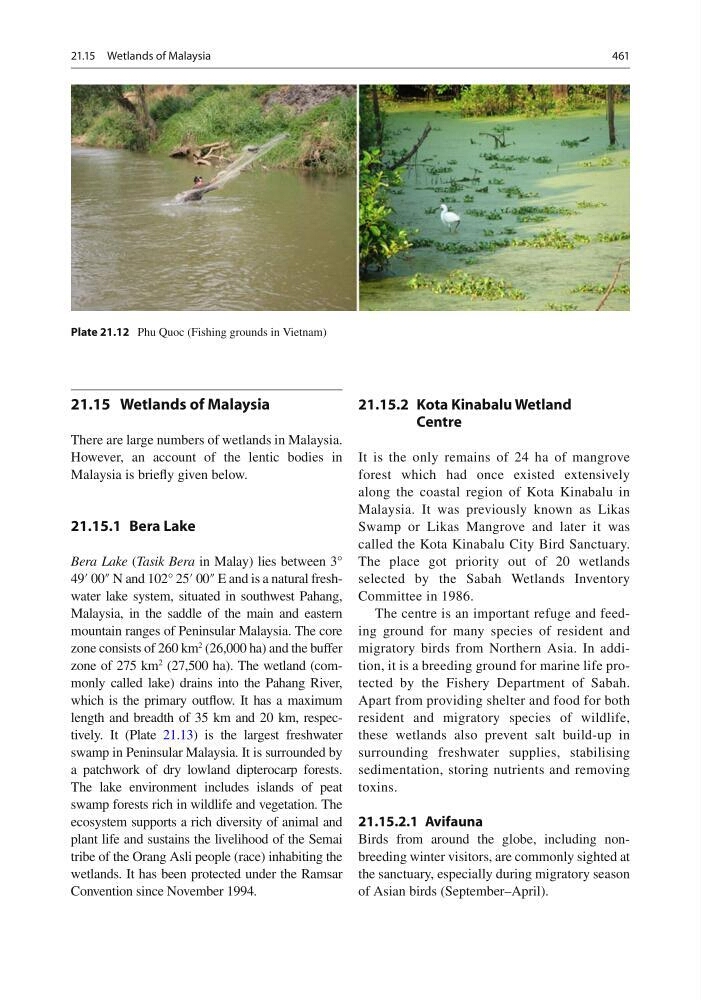
Plate 21.12 Phu Quoc (Fishing grounds in Vietnam)
21.15 Wetlands of Malaysia
21.15 Wetlands of Malaysia
There are large numbers of wetlands in Malaysia.
However, an account of the lentic bodies in
Malaysia is briefl y given below.
21.15.1 Bera Lake
Bera Lake ( Tasik Bera in Malay) lies between 3°
49′ 00″ N and 102° 25′ 00″ E and is a natural freshwater lake system, situated in southwest Pahang,
Malaysia, in the saddle of the main and eastern
mountain ranges of Peninsular Malaysia. The core
zone consists of 260 km
2 (26,000 ha) and the buffer
zone of 275 km
2 (27,500 ha). The wetland (commonly called lake) drains into the Pahang River,
which is the primary outfl ow. It has a maximum
length and breadth of 35 km and 20 km, respectively. It (Plate 21.13 ) is the largest freshwater
swamp in Peninsular Malaysia. It is surrounded by
a patchwork of dry lowland dipterocarp forests.
The lake environment includes islands of peat
swamp forests rich in wildlife and vegetation. The
ecosystem supports a rich diversity of animal and
plant life and sustains the livelihood of the Semai
tribe of the Orang Asli people (race) inhabiting the
wetlands. It has been protected under the Ramsar
Convention since November 1994.
21.15.2 Kota Kinabalu Wetland
Centre
It is the only remains of 24 ha of mangrove
forest which had once existed extensively
along the coastal region of Kota Kinabalu in
Malaysia. It was previously known as Likas
Swamp or Likas Mangrove and later it was
called the Kota Kinabalu City Bird Sanctuary.
The place got priority out of 20 wetlands
selected by the Sabah Wetlands Inventory
Committee in 1986.
The centre is an important refuge and feeding ground for many species of resident and
migratory birds from Northern Asia. In addition, it is a breeding ground for marine life protected by the Fishery Department of Sabah.
Apart from providing shelter and food for both
resident and migratory species of wildlife,
these wetlands also prevent salt build-up in
surrounding freshwater supplies, stabilising
sedimentation, storing nutrients and removing
toxins.
21.15.2.1 Avifauna
Birds from around the globe, including nonbreeding winter visitors, are commonly sighted at
the sanctuary, especially during migratory season
of Asian birds (September–April).
Plate 21.12 Phu Quoc (Fishing grounds in Vietnam)
21.15 Wetlands of Malaysia