

266
Ecotoxicological Issues
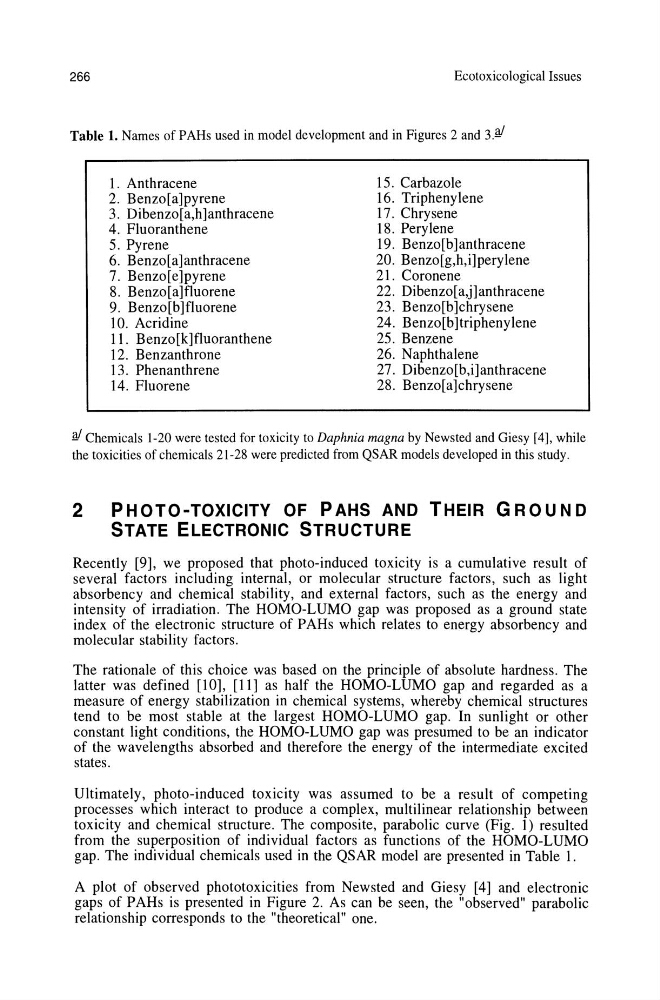
Table 1. Names of PARs used in model development and in Figures 2 and 3.W
1. Anthracene
15. Carbazole
2. Benzo[a]pyrene
16. Triphenylene
3. Dibenzo[a,h]anthracene
17. Chrysene
4. Fluoranthene
18. Perylene
5. Pyrene
19. Benzo[b ] anthracene
6. Benzo[a]anthracene
20. Benzo[g,h,i]perylene
7. Benzo[ e ]pyrene
21. Coronene
8. Benzo[a]fluorene
22. Dibenzo[a,j]anthracene
9. Benzo[b]fluorene
23. Benzo[b]chrysene
10. Acridine
24. Benzo[b]triphenylene
11. Benzo[k]fluoranthene
25. Benzene
12. Benzanthrone
26. Naphthalene
13. Phenanthrene
27. Dibenzo[b,i]anthracene
14. Fluorene
28. Benzo[a]chrysene
W Chemicals 1-20 were tested for toxicity to Daphnia magna by Newsted and Giesy [4], while
the toxicities of chemicals 21-28 were predicted from QSAR models developed in this study.
2 PHOTO-TOXICITY OF PAHS AND THEIR GROUND
STATE ELECTRONIC STRUCTURE
Recently [9], we proposed that photo-induced toxicity is a cumulative result of
several factors including internal, or molecular structure factors, such as light
absorbency and chemical stability, and external factors, such as the energy and
intensity of irradiation. The HOMO-LUMO gap was proposed as a ground state
index of the electronic structure of P AHs which relates to energy absorbency and
molecular stability factors.
The rationale of this choice was based on the principle of absolute hardness. The
latter was defined [10], [11] as half the HOMO-LUMO gap and regarded as a
measure of energy stabilization in chemical systems, whereby chemical structures
tend to be most stable at the largest HOMO-LUMO gap. In sunlight or other
constant light conditions, the HOMO-LUMO gap was presumed to be an indicator
of the wavelengths absorbed and therefore the energy of the intermediate excited
states.
Ultimately, photo-induced toxicity was assumed to be a result of competing
processes which interact to produce a complex, multilinear relationship between
toxicity and chemical structure. The composite, parabolic curve (Fig. 1) resulted
from the superposition of individual factors as functions of the HOMO-LUMO
gap. The individual chemicals used in the QSAR model are presented in Table 1.
A plot of observed phototoxicities from Newsted and Giesy [4] and electronic
gaps of PAHs is presented in Figure 2. As can be seen, the "observed" parabolic
relationship corresponds to the "theoretical" one.
Ecotoxicological Issues
Table 1. Names of PARs used in model development and in Figures 2 and 3.W
1. Anthracene
15. Carbazole
2. Benzo[a]pyrene
16. Triphenylene
3. Dibenzo[a,h]anthracene
17. Chrysene
4. Fluoranthene
18. Perylene
5. Pyrene
19. Benzo[b ] anthracene
6. Benzo[a]anthracene
20. Benzo[g,h,i]perylene
7. Benzo[ e ]pyrene
21. Coronene
8. Benzo[a]fluorene
22. Dibenzo[a,j]anthracene
9. Benzo[b]fluorene
23. Benzo[b]chrysene
10. Acridine
24. Benzo[b]triphenylene
11. Benzo[k]fluoranthene
25. Benzene
12. Benzanthrone
26. Naphthalene
13. Phenanthrene
27. Dibenzo[b,i]anthracene
14. Fluorene
28. Benzo[a]chrysene
W Chemicals 1-20 were tested for toxicity to Daphnia magna by Newsted and Giesy [4], while
the toxicities of chemicals 21-28 were predicted from QSAR models developed in this study.
2 PHOTO-TOXICITY OF PAHS AND THEIR GROUND
STATE ELECTRONIC STRUCTURE
Recently [9], we proposed that photo-induced toxicity is a cumulative result of
several factors including internal, or molecular structure factors, such as light
absorbency and chemical stability, and external factors, such as the energy and
intensity of irradiation. The HOMO-LUMO gap was proposed as a ground state
index of the electronic structure of P AHs which relates to energy absorbency and
molecular stability factors.
The rationale of this choice was based on the principle of absolute hardness. The
latter was defined [10], [11] as half the HOMO-LUMO gap and regarded as a
measure of energy stabilization in chemical systems, whereby chemical structures
tend to be most stable at the largest HOMO-LUMO gap. In sunlight or other
constant light conditions, the HOMO-LUMO gap was presumed to be an indicator
of the wavelengths absorbed and therefore the energy of the intermediate excited
states.
Ultimately, photo-induced toxicity was assumed to be a result of competing
processes which interact to produce a complex, multilinear relationship between
toxicity and chemical structure. The composite, parabolic curve (Fig. 1) resulted
from the superposition of individual factors as functions of the HOMO-LUMO
gap. The individual chemicals used in the QSAR model are presented in Table 1.
A plot of observed phototoxicities from Newsted and Giesy [4] and electronic
gaps of PAHs is presented in Figure 2. As can be seen, the "observed" parabolic
relationship corresponds to the "theoretical" one.