

o. G. Mekenyan et a/. : Photo-Induced Toxicity of PARs
265
LIGHT ABSORBANCE
WA,VEBAND RADIATION INTENSITY
€"
WAVEBAND RADIATION ENERGY
l:"
:g
V
~
,
::.
, ,
/ "
I,
, ,
I,> 12 > I,
UV·B
I,
V - U V · A - U V · B
- - - - - _. (e)
HOM().LUMO Gop
HQM().LUMO Gop
l:"
l:"
u
STABILITY OF CHEMICALS
"
]
..
::.
(b)
(a)
HQM().LUMO Gop
HQM().LUMO Gop
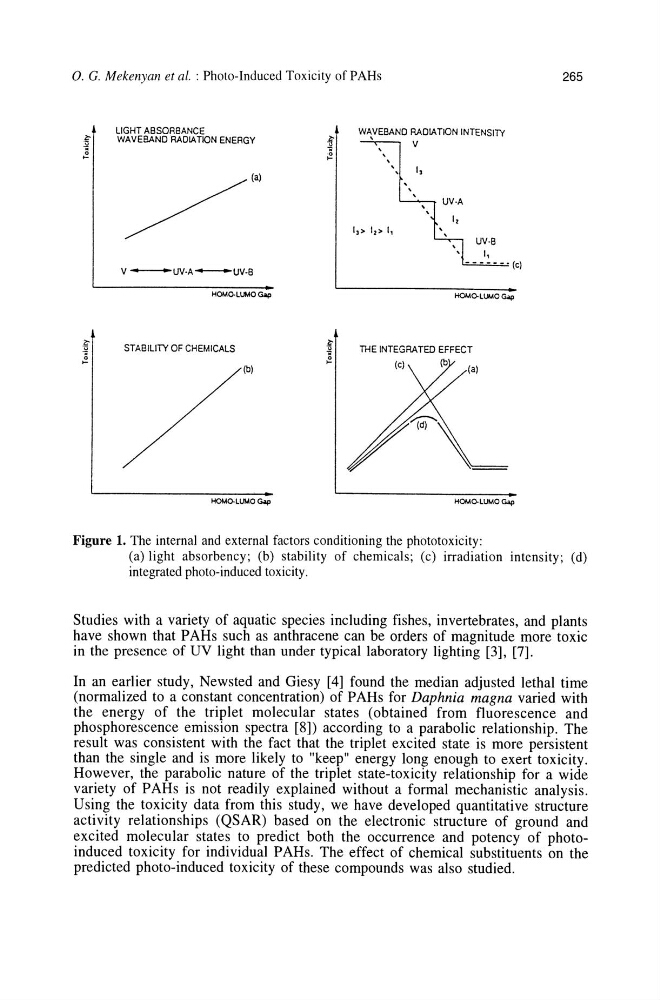
Figure 1. The internal and external factors conditioning the phototoxicity:
(a) light absorbency; (b) stability of chemicals; (c) irradiation intensity; (d)
integrated photo-induced toxicity.
Studies with a variety of aquatic species including fishes, invertebrates, and plants
have shown that PAHs such as anthracene can be orders of magnitude more toxic
in the presence of UV light than under typical laboratory lighting [3], [7].
In an earlier study, Newsted and Giesy [4] found the median adjusted lethal time
(normalized to a constant concentration) of PAHs for Daphnia magna varied with
the energy of the triplet molecular states (obtained from fluorescence and
phosphorescence emission spectra [8]) according to a parabolic relationship. The
result was consistent with the fact that the triplet excited state is more persistent
than the single and is more likely to "keep" energy long enough to exert toxicity.
However, the parabolic nature of the triplet state-toxicity relationship for a wide
variety of PAHs is not readily explained without a formal mechanistic analysis.
U sing the toxicity data from this study, we have developed quantitative structure
activity relationships (QSAR) based on the electronic structure of ground and
excited molecular states to predict both the occurrence and potency of photoinduced toxicity for individual PAHs. The effect of chemical substituents on the
predicted photo-induced toxicity of these compounds was also studied.
265
LIGHT ABSORBANCE
WA,VEBAND RADIATION INTENSITY
€"
WAVEBAND RADIATION ENERGY
l:"
:g
V
~
,
::.
, ,
/ "
I,
, ,
I,> 12 > I,
UV·B
I,
V - U V · A - U V · B
- - - - - _. (e)
HOM().LUMO Gop
HQM().LUMO Gop
l:"
l:"
u
STABILITY OF CHEMICALS
"
]
..
::.
(b)
(a)
HQM().LUMO Gop
HQM().LUMO Gop
Figure 1. The internal and external factors conditioning the phototoxicity:
(a) light absorbency; (b) stability of chemicals; (c) irradiation intensity; (d)
integrated photo-induced toxicity.
Studies with a variety of aquatic species including fishes, invertebrates, and plants
have shown that PAHs such as anthracene can be orders of magnitude more toxic
in the presence of UV light than under typical laboratory lighting [3], [7].
In an earlier study, Newsted and Giesy [4] found the median adjusted lethal time
(normalized to a constant concentration) of PAHs for Daphnia magna varied with
the energy of the triplet molecular states (obtained from fluorescence and
phosphorescence emission spectra [8]) according to a parabolic relationship. The
result was consistent with the fact that the triplet excited state is more persistent
than the single and is more likely to "keep" energy long enough to exert toxicity.
However, the parabolic nature of the triplet state-toxicity relationship for a wide
variety of PAHs is not readily explained without a formal mechanistic analysis.
U sing the toxicity data from this study, we have developed quantitative structure
activity relationships (QSAR) based on the electronic structure of ground and
excited molecular states to predict both the occurrence and potency of photoinduced toxicity for individual PAHs. The effect of chemical substituents on the
predicted photo-induced toxicity of these compounds was also studied.