

356
used signals with lower frequencies (1.84–8.14 kHz). Due to the prevail of smooth
surface of the sea, typical of Baía dos Golfinhos, and mainly at night, when the
winds are generally weaker, the acoustic impact of the water pump is probably high
due to low sound attenuation by the Lloyde’s mirror effect.
Coastal environments have generally low depths and are environments with
major trends to noise pollution of medium and high frequencies, because they suffer
lower loss of the acoustic signal due to spherical spreading (Jensen et al. 2009;
Rabin et al. 2003).
The three regions analyzed in this study have some characteristics in common: vital
use for Guiana dolphin as priority areas for foraging, shallow depths, near the coast and
intensive use by human activities. Cananéia and Caravelas estuaries have more turbid
waters, factor that increases the importance of using acoustic signals by animals, since
the water transparency affects visual interactions (Van Parijs and Corkeron 2001).
The use of areas for feeding and the site fidelity presented by Sotalia guianensis,
in the study areas reinforces the vulnerability of this species due to possible changes
in their habitats (Batista et al. 2014). It is likely that short and long-term impacts on
breeding and foraging activities will have serious consequences for these populations (Perry 1998).
This study could point the evidence of potential anthropogenic impacts on three
Sotalia guianensis populations along the Brazilian coast from the bioacoustics
approach. This methodology is an important tool for coastal management and
understanding of Guiana dolphin’s ecology, than can be used for impact assessment,
distribution and population data for aquatic species.
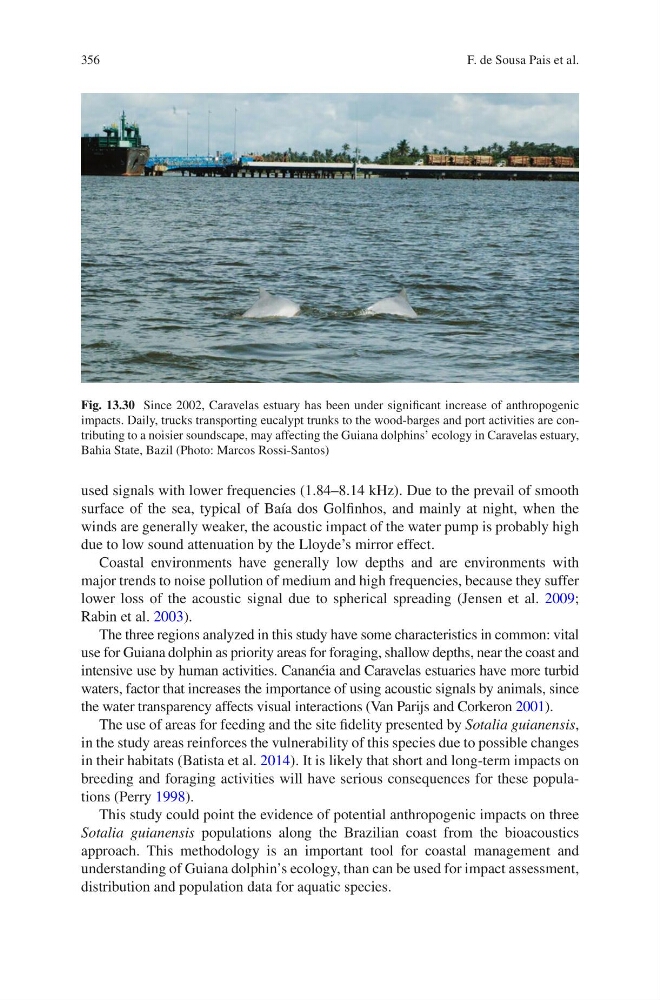
Fig. 13.30 Since 2002, Caravelas estuary has been under significant increase of anthropogenic
impacts. Daily, trucks transporting eucalypt trunks to the wood-barges and port activities are contributing to a noisier soundscape, may affecting the Guiana dolphins’ ecology in Caravelas estuary,
Bahia State, Bazil (Photo: Marcos Rossi-Santos)
F. de Sousa Pais et al.
used signals with lower frequencies (1.84–8.14 kHz). Due to the prevail of smooth
surface of the sea, typical of Baía dos Golfinhos, and mainly at night, when the
winds are generally weaker, the acoustic impact of the water pump is probably high
due to low sound attenuation by the Lloyde’s mirror effect.
Coastal environments have generally low depths and are environments with
major trends to noise pollution of medium and high frequencies, because they suffer
lower loss of the acoustic signal due to spherical spreading (Jensen et al. 2009;
Rabin et al. 2003).
The three regions analyzed in this study have some characteristics in common: vital
use for Guiana dolphin as priority areas for foraging, shallow depths, near the coast and
intensive use by human activities. Cananéia and Caravelas estuaries have more turbid
waters, factor that increases the importance of using acoustic signals by animals, since
the water transparency affects visual interactions (Van Parijs and Corkeron 2001).
The use of areas for feeding and the site fidelity presented by Sotalia guianensis,
in the study areas reinforces the vulnerability of this species due to possible changes
in their habitats (Batista et al. 2014). It is likely that short and long-term impacts on
breeding and foraging activities will have serious consequences for these populations (Perry 1998).
This study could point the evidence of potential anthropogenic impacts on three
Sotalia guianensis populations along the Brazilian coast from the bioacoustics
approach. This methodology is an important tool for coastal management and
understanding of Guiana dolphin’s ecology, than can be used for impact assessment,
distribution and population data for aquatic species.
Fig. 13.30 Since 2002, Caravelas estuary has been under significant increase of anthropogenic
impacts. Daily, trucks transporting eucalypt trunks to the wood-barges and port activities are contributing to a noisier soundscape, may affecting the Guiana dolphins’ ecology in Caravelas estuary,
Bahia State, Bazil (Photo: Marcos Rossi-Santos)
F. de Sousa Pais et al.