

340
mangrove areas. The bottom is heterogeneous, composed of sandy areas, mud and
calcareous algae (Leão 1994).
Since 2002, when the port of Caravelas was built, an increase of human activities
could be observed in the region. The main activity is the wood-barges traffic, which
to cross some areas the responsible company needs to dredge sand from the bottom
of the estuary regularly (Rossi-Santos et al. 2003).
According to Cantor et al. (2012), the population of Sotalia. guianensis is relatively small, ranging from 57–124 animals with constant abundance over the years.
For the species, fidelity and residence to the study area have also been described
(Rossi-Santos et al. 2007) (Fig. 13.15).
Dolphins sightings are frequent off the mouth of the Caravelas River area considered extremely important to the species (Rossi-Santos et al. 2010), where these
animals mainly present foraging behavior (Daura-Jorge et al. 2007). The bottom of
this region is predominantly muddy, there is evidence of contact of the animals with
the floor, probably a foraging strategy (Rossi-Santos and Wedekin 2006), being
observed preference of animals to areas with flat bottoms (Rossi-Santos et al. 2010).
The recordings analyzed in this study were collected between the years 2005 and
2008 at the mouth of the Caravelas estuary and can be found in Garcia (2009).
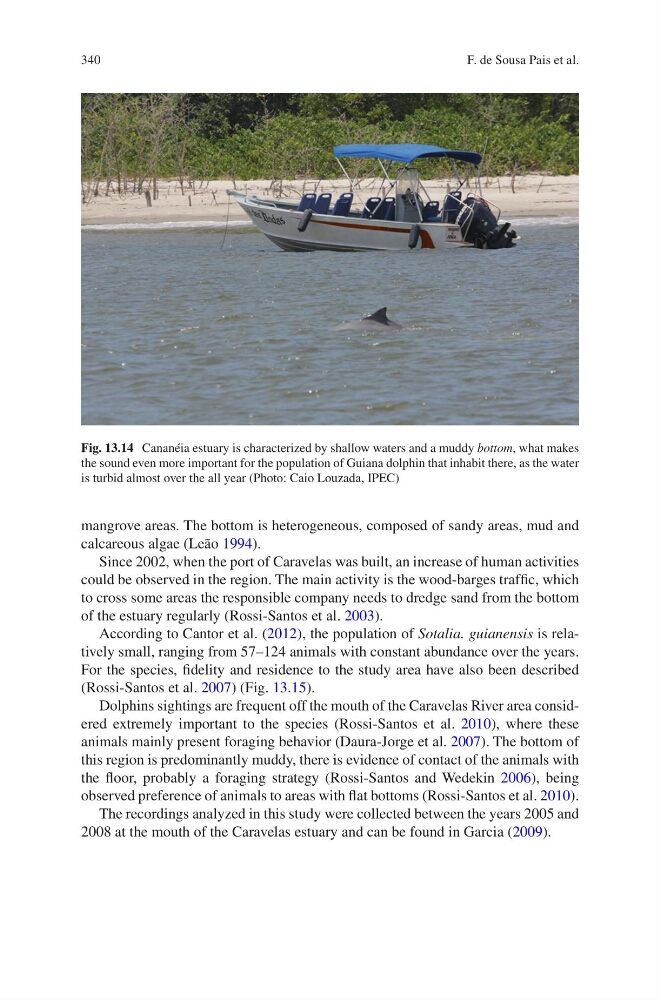
Fig. 13.14 Cananéia estuary is characterized by shallow waters and a muddy bottom, what makes
the sound even more important for the population of Guiana dolphin that inhabit there, as the water
is turbid almost over the all year (Photo: Caio Louzada, IPEC)
F. de Sousa Pais et al.
mangrove areas. The bottom is heterogeneous, composed of sandy areas, mud and
calcareous algae (Leão 1994).
Since 2002, when the port of Caravelas was built, an increase of human activities
could be observed in the region. The main activity is the wood-barges traffic, which
to cross some areas the responsible company needs to dredge sand from the bottom
of the estuary regularly (Rossi-Santos et al. 2003).
According to Cantor et al. (2012), the population of Sotalia. guianensis is relatively small, ranging from 57–124 animals with constant abundance over the years.
For the species, fidelity and residence to the study area have also been described
(Rossi-Santos et al. 2007) (Fig. 13.15).
Dolphins sightings are frequent off the mouth of the Caravelas River area considered extremely important to the species (Rossi-Santos et al. 2010), where these
animals mainly present foraging behavior (Daura-Jorge et al. 2007). The bottom of
this region is predominantly muddy, there is evidence of contact of the animals with
the floor, probably a foraging strategy (Rossi-Santos and Wedekin 2006), being
observed preference of animals to areas with flat bottoms (Rossi-Santos et al. 2010).
The recordings analyzed in this study were collected between the years 2005 and
2008 at the mouth of the Caravelas estuary and can be found in Garcia (2009).
Fig. 13.14 Cananéia estuary is characterized by shallow waters and a muddy bottom, what makes
the sound even more important for the population of Guiana dolphin that inhabit there, as the water
is turbid almost over the all year (Photo: Caio Louzada, IPEC)
F. de Sousa Pais et al.