

survivors become carriers with potential of virus excretion.
Through experimentation the virus has been transmitted by
cohabitation, immersion, feeding and injection, but vertical
transmission has not been reported. VHSV can persist in the
water for several days after release from infected fish and
this represents a significant hazard to other farmed fish or
wild stocks which come into contact with the effluent. There
is some evidence of transmission from wild marine fish to
farmed fish.
VHSV or Egtved virus contains a linear single stranded,
negative-sense RNA belonging to the Rhabdoviridae family.
Sequence data indicates that isolates can be distinguished by
geographic location rather than host; and currently four
genotypes are recognised.
A presumptive diagnosis can be made if mortality among
susceptible groups is high, particularly fingerling or yearling
rainbow trout which exhibit most of the major signs and
behavioural changes described. Histopathological changes
also provide additional evidence of infection. Generally,
diagnosis requires the isolation of the viral agent in tissue
culture from organs including the kidney and spleen, and by
reactivity with a specific antibody. Several cell lines support
the virus growth and include epithelial papilloma of carp
(EPC), BF-2 and RTG-2and RT-PCR followed by sequencing of the amplicon. A differential diagnosis includes
haemorrhagic smolt syndrome.
5.7
Infectious Haematopoietic Necrosis
Infectious haematopoietic necrosis (IHN) is a virulent, generally lethal, systemic disease primarily of young fish. Wild
Pacific salmon have a natural resistance to the virus, however, in farmed Atlantic salmon on the Pacific coast of
Canada where they are not native and don’t have natural
immunity and consequently outbreaks have resulted in high
mortality. The appearance of IHNV in farmed rainbow trout
has been accompanied by genetic changes that appear to be
related to a shift in host specificity and virulence.
The virus is enzootic throughout North America, and
movement of infected animals believed to have been a
significant factor in the spread to Asia and Europe. The
IHN virus is carried by Pacific salmon, trout and herring.
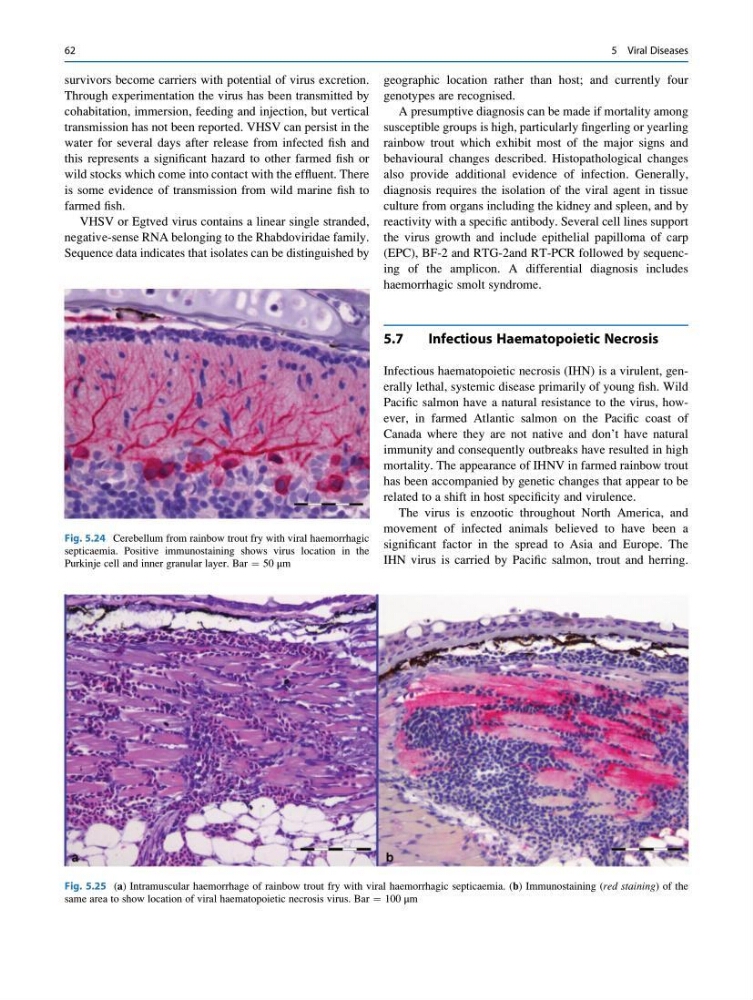
Fig. 5.24 Cerebellum from rainbow trout fry with viral haemorrhagic
septicaemia. Positive immunostaining shows virus location in the
Purkinje cell and inner granular layer. Bar ¼ 50 μm
Fig. 5.25 (a) Intramuscular haemorrhage of rainbow trout fry with viral haemorrhagic septicaemia. (b) Immunostaining (red staining) of the
same area to show location of viral haematopoietic necrosis virus. Bar ¼ 100 μm
62
5 Viral Diseases
Through experimentation the virus has been transmitted by
cohabitation, immersion, feeding and injection, but vertical
transmission has not been reported. VHSV can persist in the
water for several days after release from infected fish and
this represents a significant hazard to other farmed fish or
wild stocks which come into contact with the effluent. There
is some evidence of transmission from wild marine fish to
farmed fish.
VHSV or Egtved virus contains a linear single stranded,
negative-sense RNA belonging to the Rhabdoviridae family.
Sequence data indicates that isolates can be distinguished by
geographic location rather than host; and currently four
genotypes are recognised.
A presumptive diagnosis can be made if mortality among
susceptible groups is high, particularly fingerling or yearling
rainbow trout which exhibit most of the major signs and
behavioural changes described. Histopathological changes
also provide additional evidence of infection. Generally,
diagnosis requires the isolation of the viral agent in tissue
culture from organs including the kidney and spleen, and by
reactivity with a specific antibody. Several cell lines support
the virus growth and include epithelial papilloma of carp
(EPC), BF-2 and RTG-2and RT-PCR followed by sequencing of the amplicon. A differential diagnosis includes
haemorrhagic smolt syndrome.
5.7
Infectious Haematopoietic Necrosis
Infectious haematopoietic necrosis (IHN) is a virulent, generally lethal, systemic disease primarily of young fish. Wild
Pacific salmon have a natural resistance to the virus, however, in farmed Atlantic salmon on the Pacific coast of
Canada where they are not native and don’t have natural
immunity and consequently outbreaks have resulted in high
mortality. The appearance of IHNV in farmed rainbow trout
has been accompanied by genetic changes that appear to be
related to a shift in host specificity and virulence.
The virus is enzootic throughout North America, and
movement of infected animals believed to have been a
significant factor in the spread to Asia and Europe. The
IHN virus is carried by Pacific salmon, trout and herring.
Fig. 5.24 Cerebellum from rainbow trout fry with viral haemorrhagic
septicaemia. Positive immunostaining shows virus location in the
Purkinje cell and inner granular layer. Bar ¼ 50 μm
Fig. 5.25 (a) Intramuscular haemorrhage of rainbow trout fry with viral haemorrhagic septicaemia. (b) Immunostaining (red staining) of the
same area to show location of viral haematopoietic necrosis virus. Bar ¼ 100 μm
62
5 Viral Diseases