

periods of embryonic heart formation resulting in the
abnormalities mentioned plus reduction in cardiosomatic
index. Therefore optimal incubation temperature should be
kept at <9
C.
10.10.3 Situs Inversus Cordis
Situs inversus cordis (including ‘bean hearts’) is an aberrant
location of the heart within an otherwise normal pericardial
cavity. The shape of the ventricle will be altered and the
bulbus misaligned as in fish with absent septum transversum,
resulting in suboptimal cardiac function (Fig. 10.52).
10.10.4 Skewed Ventricle
Skewed ventricle, while the ventricle in wild salmonids is
fairly symmetrical when seen from the caudal side, it is often
skewed in farmed fish, particularly the older individuals in
the population. The significance of this is unknown, but a
symmetrical heart is believed to be more effective than those
with an aberrant shape.
10.10.5 Arteriosclerosis
Arteriosclerosis has been described as a ‘fact of life’, as this
condition appears to occur in a majority of maturing and
spawning fish, both wild and farmed, at a particular size and
weight. Lesions are characterized by smooth muscle cells
proliferating through the broken elastic lamina into the vascular lumen, therefore a proportion is obliterated. Lesions
may occlude the lumen of the vessel and are typically confined to the part of the coronary artery close to the bifurcation on the ventral side of bulbus arteriosus (Fig. 10.53). Age
and growth rate are probably the most important factors in
the development of arteriosclerosis, but they can be modified
both by sex hormones and diet composition. Farmed salmon
grow faster than their wild counterparts, particularly during
the freshwater phase, and therefore, accumulate lesions at a
faster rate. The significance of partial or total obliteration of
the coronary artery has been experimentally studied by ligation of the coronary artery. Fish with restricted blood flow
cannot swim as fast as control fish and ventral aortic pressure
is reduced. The most important effect(s) of coronary lesions
are therefore probably during suboptimal environmental
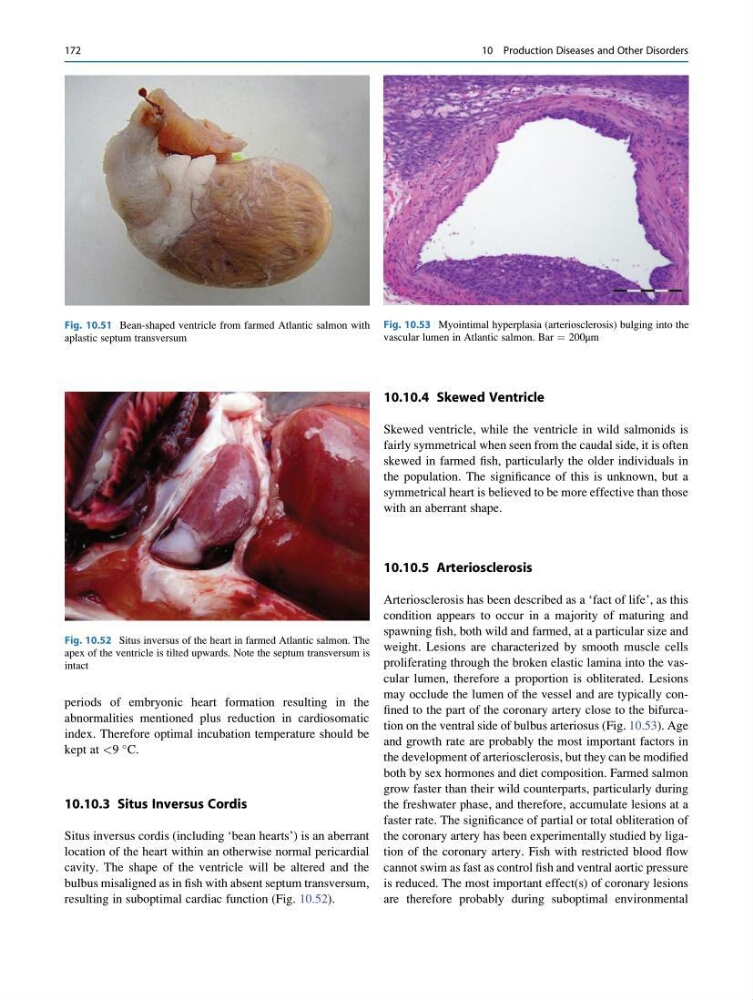
Fig. 10.51 Bean-shaped ventricle from farmed Atlantic salmon with
aplastic septum transversum
Fig. 10.52 Situs inversus of the heart in farmed Atlantic salmon. The
apex of the ventricle is tilted upwards. Note the septum transversum is
intact
Fig. 10.53 Myointimal hyperplasia (arteriosclerosis) bulging into the
vascular lumen in Atlantic salmon. Bar ¼ 200μm
172
10 Production Diseases and Other Disorders
abnormalities mentioned plus reduction in cardiosomatic
index. Therefore optimal incubation temperature should be
kept at <9
C.
10.10.3 Situs Inversus Cordis
Situs inversus cordis (including ‘bean hearts’) is an aberrant
location of the heart within an otherwise normal pericardial
cavity. The shape of the ventricle will be altered and the
bulbus misaligned as in fish with absent septum transversum,
resulting in suboptimal cardiac function (Fig. 10.52).
10.10.4 Skewed Ventricle
Skewed ventricle, while the ventricle in wild salmonids is
fairly symmetrical when seen from the caudal side, it is often
skewed in farmed fish, particularly the older individuals in
the population. The significance of this is unknown, but a
symmetrical heart is believed to be more effective than those
with an aberrant shape.
10.10.5 Arteriosclerosis
Arteriosclerosis has been described as a ‘fact of life’, as this
condition appears to occur in a majority of maturing and
spawning fish, both wild and farmed, at a particular size and
weight. Lesions are characterized by smooth muscle cells
proliferating through the broken elastic lamina into the vascular lumen, therefore a proportion is obliterated. Lesions
may occlude the lumen of the vessel and are typically confined to the part of the coronary artery close to the bifurcation on the ventral side of bulbus arteriosus (Fig. 10.53). Age
and growth rate are probably the most important factors in
the development of arteriosclerosis, but they can be modified
both by sex hormones and diet composition. Farmed salmon
grow faster than their wild counterparts, particularly during
the freshwater phase, and therefore, accumulate lesions at a
faster rate. The significance of partial or total obliteration of
the coronary artery has been experimentally studied by ligation of the coronary artery. Fish with restricted blood flow
cannot swim as fast as control fish and ventral aortic pressure
is reduced. The most important effect(s) of coronary lesions
are therefore probably during suboptimal environmental
Fig. 10.51 Bean-shaped ventricle from farmed Atlantic salmon with
aplastic septum transversum
Fig. 10.52 Situs inversus of the heart in farmed Atlantic salmon. The
apex of the ventricle is tilted upwards. Note the septum transversum is
intact
Fig. 10.53 Myointimal hyperplasia (arteriosclerosis) bulging into the
vascular lumen in Atlantic salmon. Bar ¼ 200μm
172
10 Production Diseases and Other Disorders