

10.7.4 Double Mouth Deformity
Double mouth deformity results from displacement of the
lower end of the hyoid arch downwards and backwards
through a gap in the mouth floor (Fig. 10.41). This occurs
because the protractor muscles of the arch are not functioning correctly, usually, as the result of accidental injury. The
retractor muscles, thus left unopposed, pull the lower end of
the arch into the deformed position. The cause is speculative
but could be due to air being trapped in the floor of the mouth
following obstruction of the pneumatic duct. Gross observation is sufficient to confirm these deformities.
10.8 Deformities of the Vertebral Column
Skeletal anomalies and deformities, particularly those of
the vertebral column, have been observed in a number of
species of wild and farmed fish. These deformities can
take many forms such as compression and ossification of
the vertebral joints, occurrence of compressed and fused
vertebrae caudal to the dorsal fin and excessive proliferation
of collagen, resulting in grossly evident increased thickness
of the spinal column, often where no single cause can be
established (Fig. 10.42). A linkage with pollution exists for
some spinal deformities in feral fish and in farmed fish,
spinal deformities are commonly reported productionrelated diseases.
The vertebral column is composed of bone, cartilage and
connective tissue and constantly remodelled and adjusted to
the environment, physical challenges and physiology. Specific terminology may be used to describe different forms and
variations of vertebral abnormalities and include kyphosis,
lordosis and scoliosis. Ankylosing lesions can affect the entire
spine or individual sections, giving the fish a characteristic
appearance (e.g. humpback, hunchback; anterior part, shorttails; posterior part or the entire spine (‘short fish’)).
Combinations of the above may also occur. The impact of
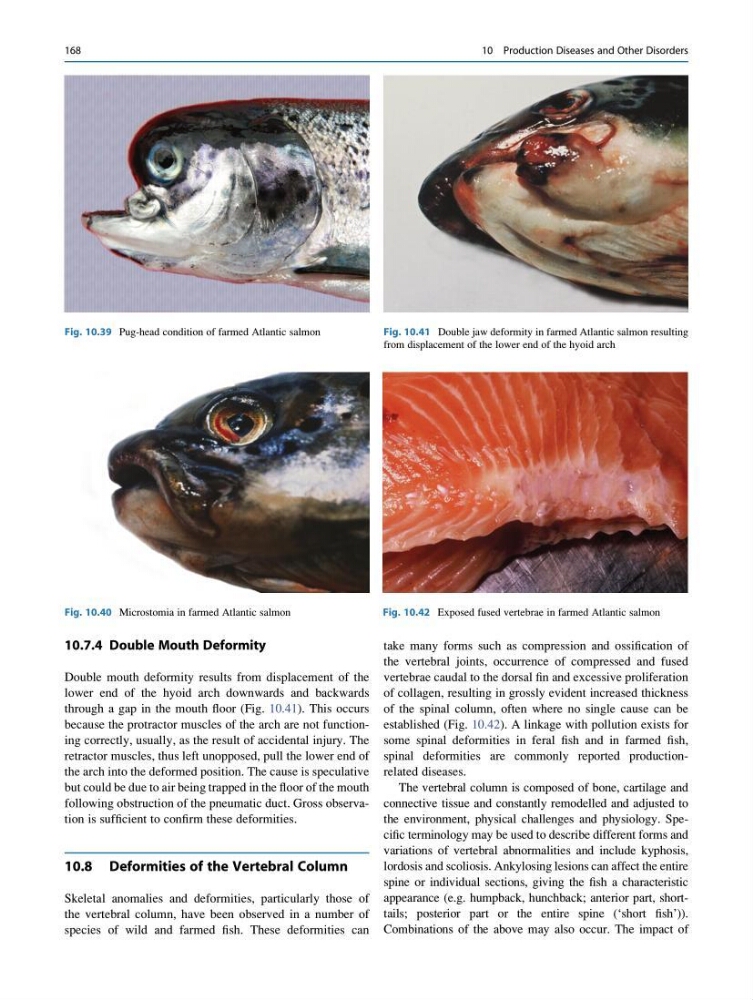
Fig. 10.39 Pug-head condition of farmed Atlantic salmon
Fig. 10.40 Microstomia in farmed Atlantic salmon
Fig. 10.41 Double jaw deformity in farmed Atlantic salmon resulting
from displacement of the lower end of the hyoid arch
Fig. 10.42 Exposed fused vertebrae in farmed Atlantic salmon
168
10 Production Diseases and Other Disorders
Double mouth deformity results from displacement of the
lower end of the hyoid arch downwards and backwards
through a gap in the mouth floor (Fig. 10.41). This occurs
because the protractor muscles of the arch are not functioning correctly, usually, as the result of accidental injury. The
retractor muscles, thus left unopposed, pull the lower end of
the arch into the deformed position. The cause is speculative
but could be due to air being trapped in the floor of the mouth
following obstruction of the pneumatic duct. Gross observation is sufficient to confirm these deformities.
10.8 Deformities of the Vertebral Column
Skeletal anomalies and deformities, particularly those of
the vertebral column, have been observed in a number of
species of wild and farmed fish. These deformities can
take many forms such as compression and ossification of
the vertebral joints, occurrence of compressed and fused
vertebrae caudal to the dorsal fin and excessive proliferation
of collagen, resulting in grossly evident increased thickness
of the spinal column, often where no single cause can be
established (Fig. 10.42). A linkage with pollution exists for
some spinal deformities in feral fish and in farmed fish,
spinal deformities are commonly reported productionrelated diseases.
The vertebral column is composed of bone, cartilage and
connective tissue and constantly remodelled and adjusted to
the environment, physical challenges and physiology. Specific terminology may be used to describe different forms and
variations of vertebral abnormalities and include kyphosis,
lordosis and scoliosis. Ankylosing lesions can affect the entire
spine or individual sections, giving the fish a characteristic
appearance (e.g. humpback, hunchback; anterior part, shorttails; posterior part or the entire spine (‘short fish’)).
Combinations of the above may also occur. The impact of
Fig. 10.39 Pug-head condition of farmed Atlantic salmon
Fig. 10.40 Microstomia in farmed Atlantic salmon
Fig. 10.41 Double jaw deformity in farmed Atlantic salmon resulting
from displacement of the lower end of the hyoid arch
Fig. 10.42 Exposed fused vertebrae in farmed Atlantic salmon
168
10 Production Diseases and Other Disorders