

generally darker, show some loss of balance and an enlarged
abdomen with swelling and reddening of the vent. The
fungus initially develops in the swim bladder which
becomes thickened and filled with a white coloured mass
of hyphae (Figs. 7.9 and 7.10). In severe cases it can also
affect the gut, peritoneum and skeletal muscle.
In stained sections the hyphae are seen to penetrate from
the swim bladder lumen to the outer fibrous coat completely
destroying the tissue (Figs. 7.11 and 7.12). Hyphae have not
been observed in other organs.
I. farinosa grows moderately well on a variety of media
forming a dense basal felt from which conidophores arise,
the colonies become slightly granular and tufted with the
development of the conidia. Isaria is a branching, septate
fungus and a ubiquitous insect pathogen. A provisional
diagnosis may be possible at fish autopsy with identification
Fig. 7.7 Atypical circular infection on body flank of spawning wild
Atlantic salmon
Fig. 7.8 Saprolegnia mycelium covering the scales of rainbow trout.
Low power
Fig. 7.9 Swim bladder mycosis in the posterior region of the organ in
Atlantic salmon parr
Fig. 7.10 Isaria farinosa in Atlantic salmon parr. The swim
bladder has been cut transversely and the myceium has occluded the
lumen
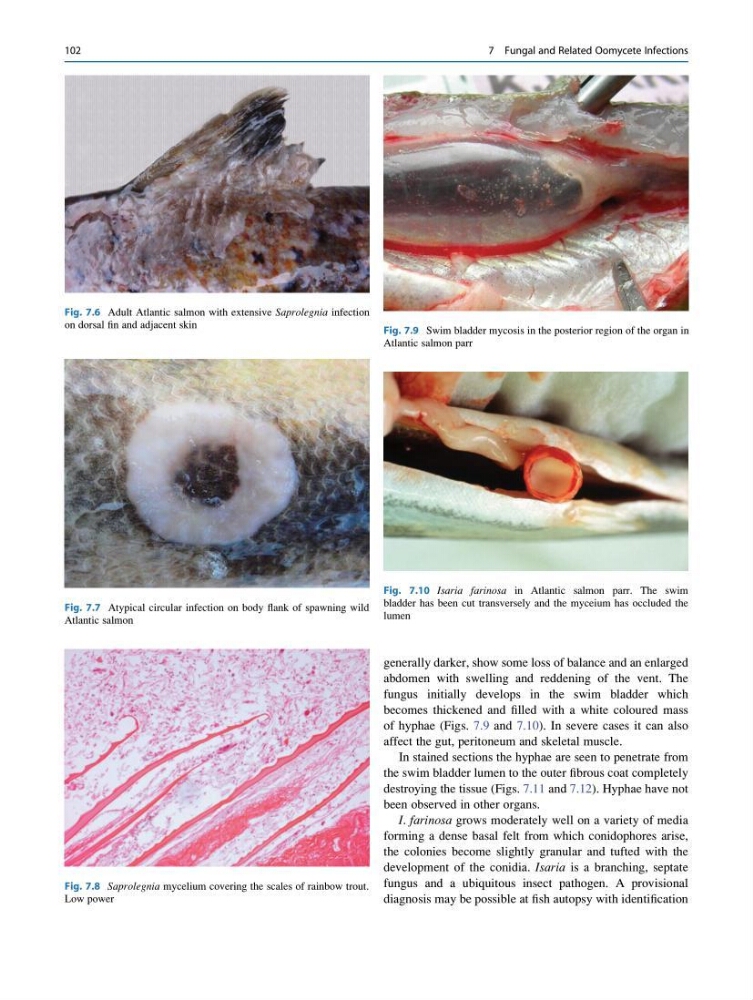
Fig. 7.6 Adult Atlantic salmon with extensive Saprolegnia infection
on dorsal fin and adjacent skin
102
7 Fungal and Related Oomycete Infections
abdomen with swelling and reddening of the vent. The
fungus initially develops in the swim bladder which
becomes thickened and filled with a white coloured mass
of hyphae (Figs. 7.9 and 7.10). In severe cases it can also
affect the gut, peritoneum and skeletal muscle.
In stained sections the hyphae are seen to penetrate from
the swim bladder lumen to the outer fibrous coat completely
destroying the tissue (Figs. 7.11 and 7.12). Hyphae have not
been observed in other organs.
I. farinosa grows moderately well on a variety of media
forming a dense basal felt from which conidophores arise,
the colonies become slightly granular and tufted with the
development of the conidia. Isaria is a branching, septate
fungus and a ubiquitous insect pathogen. A provisional
diagnosis may be possible at fish autopsy with identification
Fig. 7.7 Atypical circular infection on body flank of spawning wild
Atlantic salmon
Fig. 7.8 Saprolegnia mycelium covering the scales of rainbow trout.
Low power
Fig. 7.9 Swim bladder mycosis in the posterior region of the organ in
Atlantic salmon parr
Fig. 7.10 Isaria farinosa in Atlantic salmon parr. The swim
bladder has been cut transversely and the myceium has occluded the
lumen
Fig. 7.6 Adult Atlantic salmon with extensive Saprolegnia infection
on dorsal fin and adjacent skin
102
7 Fungal and Related Oomycete Infections