

182
G.P. Richards et al.
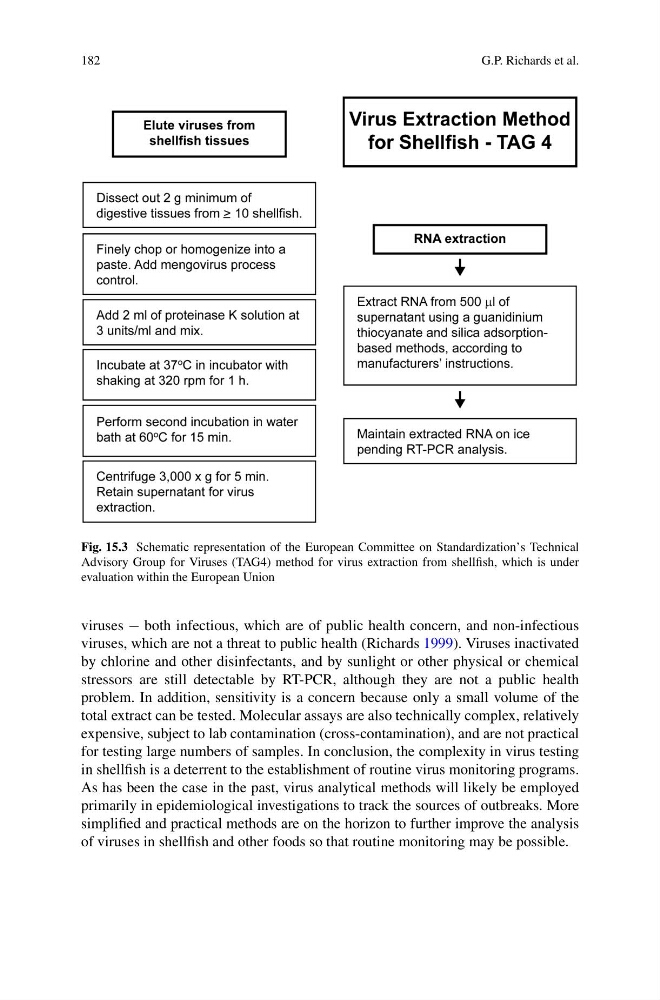
Fig. 15.3 Schematic representation of the European Committee on Standardization’s Technical
Advisory Group for Viruses (TAG4) method for virus extraction from shellfish, which is under
evaluation within the European Union
viruses both infectious, which are of public health concern, and non-infectious
viruses, which are not a threat to public health (Richards 1999). Viruses inactivated
by chlorine and other disinfectants, and by sunlight or other physical or chemical
stressors are still detectable by RT-PCR, although they are not a public health
problem. In addition, sensitivity is a concern because only a small volume of the
total extract can be tested. Molecular assays are also technically complex, relatively
expensive, subject to lab contamination (cross-contamination), and are not practical
for testing large numbers of samples. In conclusion, the complexity in virus testing
in shellfish is a deterrent to the establishment of routine virus monitoring programs.
As has been the case in the past, virus analytical methods will likely be employed
primarily in epidemiological investigations to track the sources of outbreaks. More
simplified and practical methods are on the horizon to further improve the analysis
of viruses in shellfish and other foods so that routine monitoring may be possible.
G.P. Richards et al.
Fig. 15.3 Schematic representation of the European Committee on Standardization’s Technical
Advisory Group for Viruses (TAG4) method for virus extraction from shellfish, which is under
evaluation within the European Union
viruses both infectious, which are of public health concern, and non-infectious
viruses, which are not a threat to public health (Richards 1999). Viruses inactivated
by chlorine and other disinfectants, and by sunlight or other physical or chemical
stressors are still detectable by RT-PCR, although they are not a public health
problem. In addition, sensitivity is a concern because only a small volume of the
total extract can be tested. Molecular assays are also technically complex, relatively
expensive, subject to lab contamination (cross-contamination), and are not practical
for testing large numbers of samples. In conclusion, the complexity in virus testing
in shellfish is a deterrent to the establishment of routine virus monitoring programs.
As has been the case in the past, virus analytical methods will likely be employed
primarily in epidemiological investigations to track the sources of outbreaks. More
simplified and practical methods are on the horizon to further improve the analysis
of viruses in shellfish and other foods so that routine monitoring may be possible.