

2.2. THE CASE STUDIES
clona simulans the aquiferous system is far more evolved and visible as an
extensive system of canals. Probably the aquiferous system of Haliclona oculata is strongly supported by external water movements as well (compare
Vogel 1974). In conditions with strong water movements plate-like growth
forms are possible, whereas in sheltered conditions a decrease of food supply
will occur in the tissue, unless it is in short-distance contact with the environment; in this case only thin-branching forms will occur. In the related
species H. simulans with a more evolved aquiferous system, relatively wide
branches and more globular forms are found . The development of the aquiferous system is a species-specific pattern which is another major component
determining the resulting growth form.
2.2.3 Morphological Plasticity in Colonial Cnidarians
Cnidarians are, after the sponges, the organisms within the animal kingdom
with the simplest organization; this is the first animal phylum in which cells
are organized in tissues (see also Fig. 1.8). In the cnidarians, both sessile
life forms, consisting of individual polyps or colonies of polyps, and free
living life forms (jellyfish) have developed . The basic module in the sessile
cnidarians, the polyp (Fig. 2.22), consists of three basic tissue layers: an outer
layer of epidermis, an inner layer of cells lining the gastrovascular cavity,
and between both a layer called the mesoglea . There is an internal space for
digestion, the gastrovascular cavity, along the polar axis of the polyp which
opens at one end to the exterior to form a mouth. The mouth is surrounded
by a circle of tentacles which are used for capturing and ingestion of food
particles. The presence of a mouth and digestion cavity permits the use of
a much larger range of food particle sizes, than for example is possible in
sponges. The body plan of the polyp is characterized by a radial symmetry.
In the three sections below we will focus on three groups of cnidarians
in which sessile and colonial growth forms have developed . In the first group,
the hydrozoans, in most species colonial growth forms are found . In most of
the species the polyps are embedded in a supporting and flexible, nonliving,
chitinous skeleton (see for example Pig.r.jk). In two groups ofhydrozoans,
for example Millepora alcicornis shown in Fig. 1.31, an external calcified skeleton is secreted. In the second group, the octo corals, the polyp alwayspossesses
eight tentacles, and the radial symmetry of the module is characterized by
four axes of symmetry. The octocorals are colonial cnidarians with relatively small polyps. In third group, the stony corals or scleractinians (also
sometimes called hexacorals), the mouth of the polyp is surrounded by six
tentacles, and the radial symmetry of the module in stony corals is basically
characterized by three axes of symmetry. Some of the stony corals are solitary (see for example Fig. 1.9) with polyps reaching 25 cm in diameter; the
majority are colonial with very small polyps, with a diameter of 1-3 mm.
HYDROZOANS: COLONY INTEGRATION AND THE CONTROL OF MORPHOLOGICAL PLASTICITY. Many hydrozoan species are small, inconspicuous
members of the habitat in which they live. Nevertheless, they are fascinating subjects for the study of growth and form. This is because they exhibit
great diversity, in for example, polyp polymorphism, skeletal (or matrix)
development and hence, colonial integration. There are also several advantages to using hydrozoans for studies of growth and form. First, their small
43
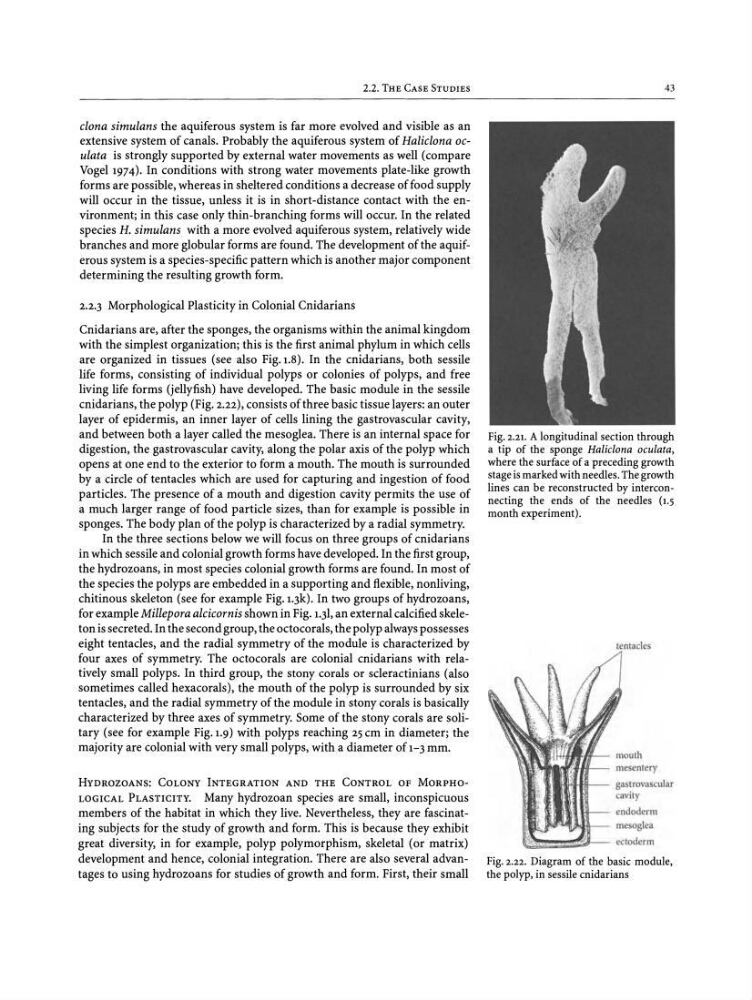
Fig. 2.21. A longitudinal section through
a tip of the sponge Haliclona oculata,
wherethe surface of a preceding growth
stageismarkedwithneedles.Thegrowth
lines can be reconstructed by interconnecting the ends of the needles (1.5
month experiment).
tentacles
mouth
mesenter y
"f-If-gastrovascul ar
cavity
endo der m
H l\-- mesoglea
~:===~'------ ectoder m
Fig. 2 .22. Diagram of the basic module,
the polyp, in sessile cnidarians
clona simulans the aquiferous system is far more evolved and visible as an
extensive system of canals. Probably the aquiferous system of Haliclona oculata is strongly supported by external water movements as well (compare
Vogel 1974). In conditions with strong water movements plate-like growth
forms are possible, whereas in sheltered conditions a decrease of food supply
will occur in the tissue, unless it is in short-distance contact with the environment; in this case only thin-branching forms will occur. In the related
species H. simulans with a more evolved aquiferous system, relatively wide
branches and more globular forms are found . The development of the aquiferous system is a species-specific pattern which is another major component
determining the resulting growth form.
2.2.3 Morphological Plasticity in Colonial Cnidarians
Cnidarians are, after the sponges, the organisms within the animal kingdom
with the simplest organization; this is the first animal phylum in which cells
are organized in tissues (see also Fig. 1.8). In the cnidarians, both sessile
life forms, consisting of individual polyps or colonies of polyps, and free
living life forms (jellyfish) have developed . The basic module in the sessile
cnidarians, the polyp (Fig. 2.22), consists of three basic tissue layers: an outer
layer of epidermis, an inner layer of cells lining the gastrovascular cavity,
and between both a layer called the mesoglea . There is an internal space for
digestion, the gastrovascular cavity, along the polar axis of the polyp which
opens at one end to the exterior to form a mouth. The mouth is surrounded
by a circle of tentacles which are used for capturing and ingestion of food
particles. The presence of a mouth and digestion cavity permits the use of
a much larger range of food particle sizes, than for example is possible in
sponges. The body plan of the polyp is characterized by a radial symmetry.
In the three sections below we will focus on three groups of cnidarians
in which sessile and colonial growth forms have developed . In the first group,
the hydrozoans, in most species colonial growth forms are found . In most of
the species the polyps are embedded in a supporting and flexible, nonliving,
chitinous skeleton (see for example Pig.r.jk). In two groups ofhydrozoans,
for example Millepora alcicornis shown in Fig. 1.31, an external calcified skeleton is secreted. In the second group, the octo corals, the polyp alwayspossesses
eight tentacles, and the radial symmetry of the module is characterized by
four axes of symmetry. The octocorals are colonial cnidarians with relatively small polyps. In third group, the stony corals or scleractinians (also
sometimes called hexacorals), the mouth of the polyp is surrounded by six
tentacles, and the radial symmetry of the module in stony corals is basically
characterized by three axes of symmetry. Some of the stony corals are solitary (see for example Fig. 1.9) with polyps reaching 25 cm in diameter; the
majority are colonial with very small polyps, with a diameter of 1-3 mm.
HYDROZOANS: COLONY INTEGRATION AND THE CONTROL OF MORPHOLOGICAL PLASTICITY. Many hydrozoan species are small, inconspicuous
members of the habitat in which they live. Nevertheless, they are fascinating subjects for the study of growth and form. This is because they exhibit
great diversity, in for example, polyp polymorphism, skeletal (or matrix)
development and hence, colonial integration. There are also several advantages to using hydrozoans for studies of growth and form. First, their small
43
Fig. 2.21. A longitudinal section through
a tip of the sponge Haliclona oculata,
wherethe surface of a preceding growth
stageismarkedwithneedles.Thegrowth
lines can be reconstructed by interconnecting the ends of the needles (1.5
month experiment).
tentacles
mouth
mesenter y
"f-If-gastrovascul ar
cavity
endo der m
H l\-- mesoglea
~:===~'------ ectoder m
Fig. 2 .22. Diagram of the basic module,
the polyp, in sessile cnidarians