

1. INTRODUCTION
In some algae, as well as many sponges, hydro corals, and stony corals, the
growth process can be described as a relatively simple deposition process, if
we study the growth at the level of deposition of individual skeleton elements.
In Fig. 1.4 drawings are shown of sections made through respectively an
unbranched stromatolite, branches of a sponge (Haliclona oculata), a stony
coral Porites porites, and a coralline algae Lithothamnion coralliodes. Growth
of the branches of these organisms proceeds by the deposition of new layers
on top of the previous growth stages, which remain unchanged.
The drawings in Fig. 1.4 provide only macroscopic and phenomenological information about the growth process. Regarding the genetical regulation
at the molecular level of the growth process, enormous progress has been
made within the developmental biology of animals, the metazoans. In, for
example, the fruitfly Drosophila detailed insights have become available into
regulation by developmental control genes, including a cluster called the hox
genes (see St Johnston and Niisslein- Volhard 1992, Niisslein- Volhard 1996,
Wolpert et al. 1998). In Drosophila it is demonstrated that gradients of morphogens, which shape the embryo, are controlled by the Hox genes. This
(a)
7
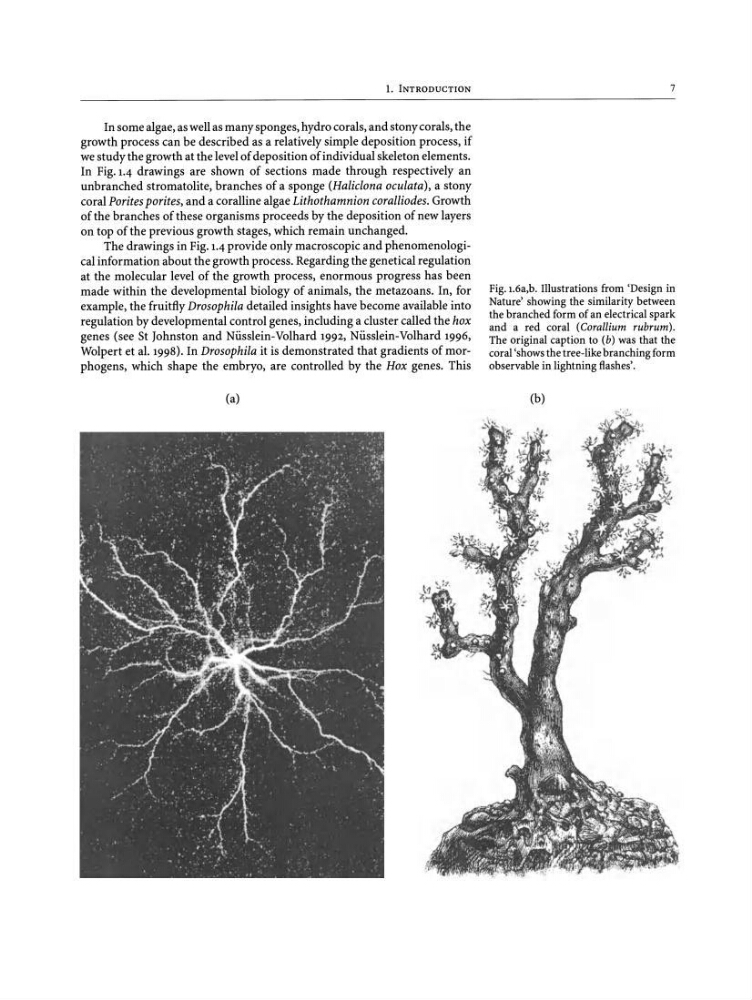
Fig. i.ea.b. Illustrations from 'Design in
Nature' showing the similarity between
the branched form of an electricalspark
and a red coral (Corallium rubrum) .
The original caption to (b) was that the
coral'showsthe tree-likebranchingform
observablein lightning flashes'.
(b)
In some algae, as well as many sponges, hydro corals, and stony corals, the
growth process can be described as a relatively simple deposition process, if
we study the growth at the level of deposition of individual skeleton elements.
In Fig. 1.4 drawings are shown of sections made through respectively an
unbranched stromatolite, branches of a sponge (Haliclona oculata), a stony
coral Porites porites, and a coralline algae Lithothamnion coralliodes. Growth
of the branches of these organisms proceeds by the deposition of new layers
on top of the previous growth stages, which remain unchanged.
The drawings in Fig. 1.4 provide only macroscopic and phenomenological information about the growth process. Regarding the genetical regulation
at the molecular level of the growth process, enormous progress has been
made within the developmental biology of animals, the metazoans. In, for
example, the fruitfly Drosophila detailed insights have become available into
regulation by developmental control genes, including a cluster called the hox
genes (see St Johnston and Niisslein- Volhard 1992, Niisslein- Volhard 1996,
Wolpert et al. 1998). In Drosophila it is demonstrated that gradients of morphogens, which shape the embryo, are controlled by the Hox genes. This
(a)
7
Fig. i.ea.b. Illustrations from 'Design in
Nature' showing the similarity between
the branched form of an electricalspark
and a red coral (Corallium rubrum) .
The original caption to (b) was that the
coral'showsthe tree-likebranchingform
observablein lightning flashes'.
(b)