

96
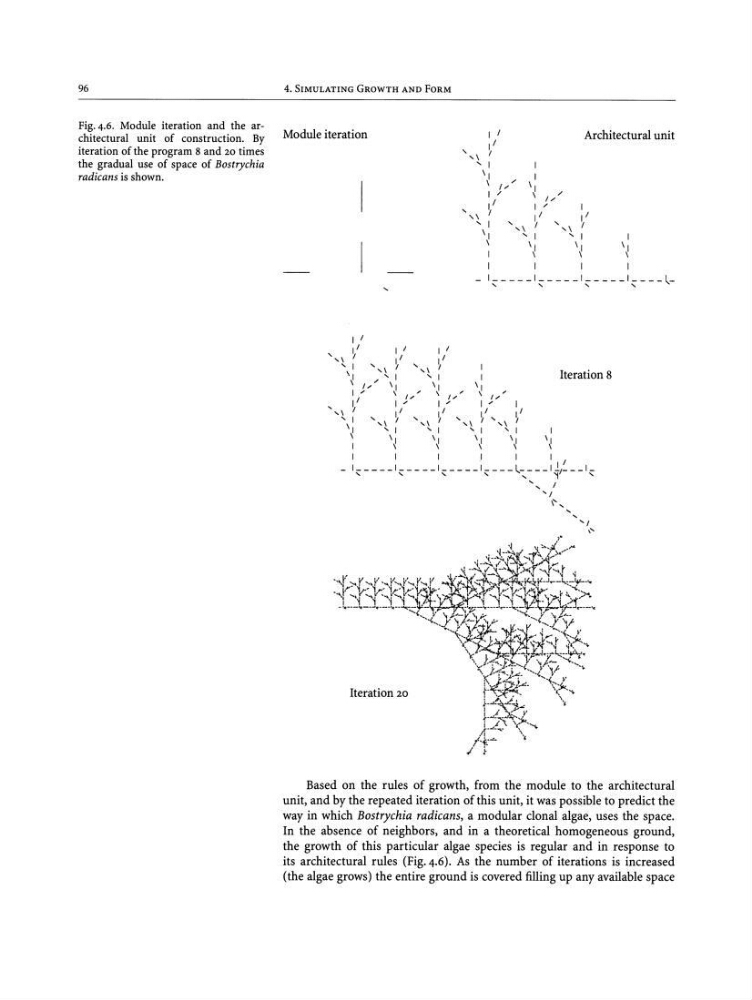
Fig. 4.6. Module iteration and the architectural unit of construction. By
iteration of the program 8 and 20 times
the gradual use of space of Bostry chia
radicans is shown.
4. SIMULATING GROWTH AND FORM
Module iteration
....
I /
Architectural unit
, ,/
' \ '
.... I
I
\ I
/
I
\ / /
\ I
I /
\ ,/ /
....
1/
I /
1
'X l
I '
, /
.... I
' .... \ /
' .... \ /
\ I
.... I
.... I
1
\
\ I
\ I
\ I
I
\
\
\
I
I
I
I
- I ,"
I '"
I '"
I '"
~_
1 '
, 1 '
, '
1 '
,\' . . . . I' , I'
, 1
, \ '
"
I
I
'~
- > I
' I
I
Iteration 8
I,;
'I
, 'I
, 'I
,
I /
\ I;,
\
1 /
\
1/
, 1 '
I ,;
I ,;
r >
I
.... "
I '
I '
I '
I '
' I
'
,
'
,
'
I '
t
'I
'~I
' ~I
'~ I ' ~I
1
\
,
,
" ' ,
I
~
~
\
~
~
I
I
I
.1
I
I ,
I - - - - - I - - - - - I - - - - - I - - - - l..I 1. ,
I _
....
"
.....
.....
....
'1
"........ ,
" , .... ,
.... ,
" ,. ...
Iteration 20
Based on the rules of growth, from the module to the architectural
unit, and by the repeated iteration of this unit, it was possible to predict the
way in which Bostrychia radicans, a modular clonal algae, uses the space.
In the absence of neighbors, and in a theoretical homogeneous ground,
the growth of this particular algae species is regular and in response to
its architectural rules (Fig. 4.6). As the number of iterations is increased
(the algae grows) the entire ground is covered filling up any available space
Fig. 4.6. Module iteration and the architectural unit of construction. By
iteration of the program 8 and 20 times
the gradual use of space of Bostry chia
radicans is shown.
4. SIMULATING GROWTH AND FORM
Module iteration
....
I /
Architectural unit
, ,/
' \ '
.... I
I
\ I
/
I
\ / /
\ I
I /
\ ,/ /
....
1/
I /
1
'X l
I '
, /
.... I
' .... \ /
' .... \ /
\ I
.... I
.... I
1
\
\ I
\ I
\ I
I
\
\
\
I
I
I
I
- I ,"
I '"
I '"
I '"
~_
1 '
, 1 '
, '
1 '
,\' . . . . I' , I'
, 1
, \ '
"
I
I
'~
- > I
' I
I
Iteration 8
I,;
'I
, 'I
, 'I
,
I /
\ I;,
\
1 /
\
1/
, 1 '
I ,;
I ,;
r >
I
.... "
I '
I '
I '
I '
' I
'
,
'
,
'
I '
t
'I
'~I
' ~I
'~ I ' ~I
1
\
,
,
" ' ,
I
~
~
\
~
~
I
I
I
.1
I
I ,
I - - - - - I - - - - - I - - - - - I - - - - l..I 1. ,
I _
....
"
.....
.....
....
'1
"........ ,
" , .... ,
.... ,
" ,. ...
Iteration 20
Based on the rules of growth, from the module to the architectural
unit, and by the repeated iteration of this unit, it was possible to predict the
way in which Bostrychia radicans, a modular clonal algae, uses the space.
In the absence of neighbors, and in a theoretical homogeneous ground,
the growth of this particular algae species is regular and in response to
its architectural rules (Fig. 4.6). As the number of iterations is increased
(the algae grows) the entire ground is covered filling up any available space