

"
..
., .,
1 Facilities and Equipment
13
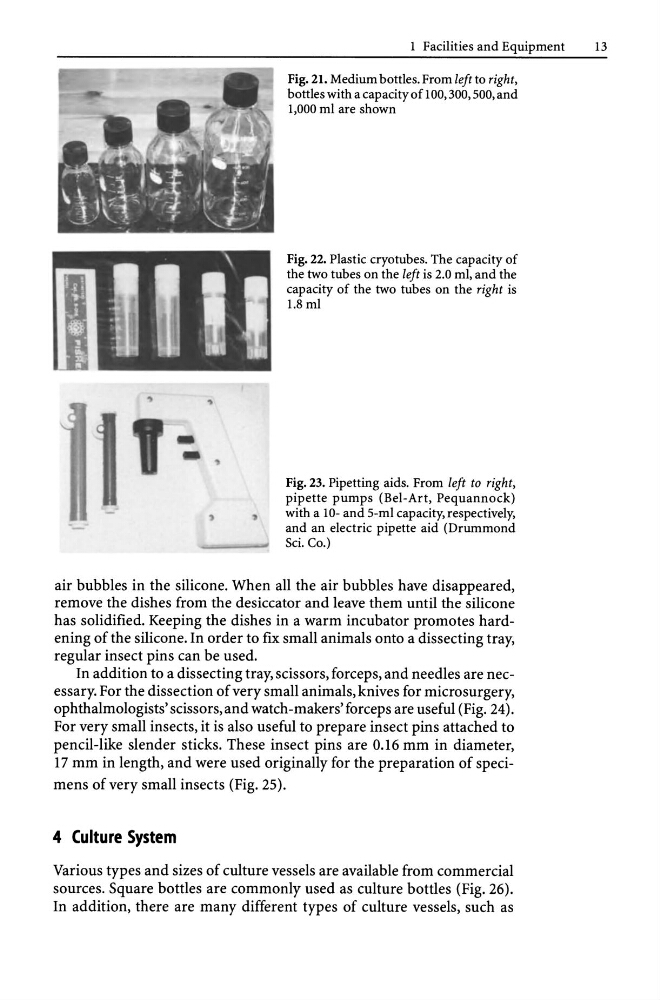
Fig. 21. Medium bottles. From left to right,
bottles with a capacity of 100, 300,500, and
1,000 ml are shown
Fig. 22. Plastic cryotubes. The capacity of
the two tubes on the left is 2.0 ml, and the
capacity of the two tubes on the right is
1.8 ml
Fig. 23. Pipetting aids. From left to right,
pipette pumps (Bel-Art, Pequannock)
with a 10- and 5-ml capacity, respectively,
and an electric pipette aid (Drummond
Sci. Co.)
air bubbles in the silicone. When all the air bubbles have disappeared,
remove the dishes from the desiccator and leave them until the silicone
has solidified. Keeping the dishes in a warm incubator promotes hardening of the silicone. In order to fix small animals onto a dissecting tray,
regular insect pins can be used.
In addition to a dissecting tray, scissors, forceps, and needles are necessary. For the dissection of very small animals, knives for microsurgery,
ophthalmologists' scissors, and watch-makers' forceps are useful (Fig. 24).
For very small insects, it is also useful to prepare insect pins attached to
pencil-like slender sticks. These insect pins are 0.16 mm in diameter,
17 mm in length, and were used originally for the preparation of specimens of very small insects (Fig. 25).
4 Culture System
Various types and sizes of culture vessels are available from commercial
sources. Square bottles are commonly used as culture bottles (Fig. 26).
In addition, there are many different types of culture vessels, such as
..
., .,
1 Facilities and Equipment
13
Fig. 21. Medium bottles. From left to right,
bottles with a capacity of 100, 300,500, and
1,000 ml are shown
Fig. 22. Plastic cryotubes. The capacity of
the two tubes on the left is 2.0 ml, and the
capacity of the two tubes on the right is
1.8 ml
Fig. 23. Pipetting aids. From left to right,
pipette pumps (Bel-Art, Pequannock)
with a 10- and 5-ml capacity, respectively,
and an electric pipette aid (Drummond
Sci. Co.)
air bubbles in the silicone. When all the air bubbles have disappeared,
remove the dishes from the desiccator and leave them until the silicone
has solidified. Keeping the dishes in a warm incubator promotes hardening of the silicone. In order to fix small animals onto a dissecting tray,
regular insect pins can be used.
In addition to a dissecting tray, scissors, forceps, and needles are necessary. For the dissection of very small animals, knives for microsurgery,
ophthalmologists' scissors, and watch-makers' forceps are useful (Fig. 24).
For very small insects, it is also useful to prepare insect pins attached to
pencil-like slender sticks. These insect pins are 0.16 mm in diameter,
17 mm in length, and were used originally for the preparation of specimens of very small insects (Fig. 25).
4 Culture System
Various types and sizes of culture vessels are available from commercial
sources. Square bottles are commonly used as culture bottles (Fig. 26).
In addition, there are many different types of culture vessels, such as