

8
General Methods
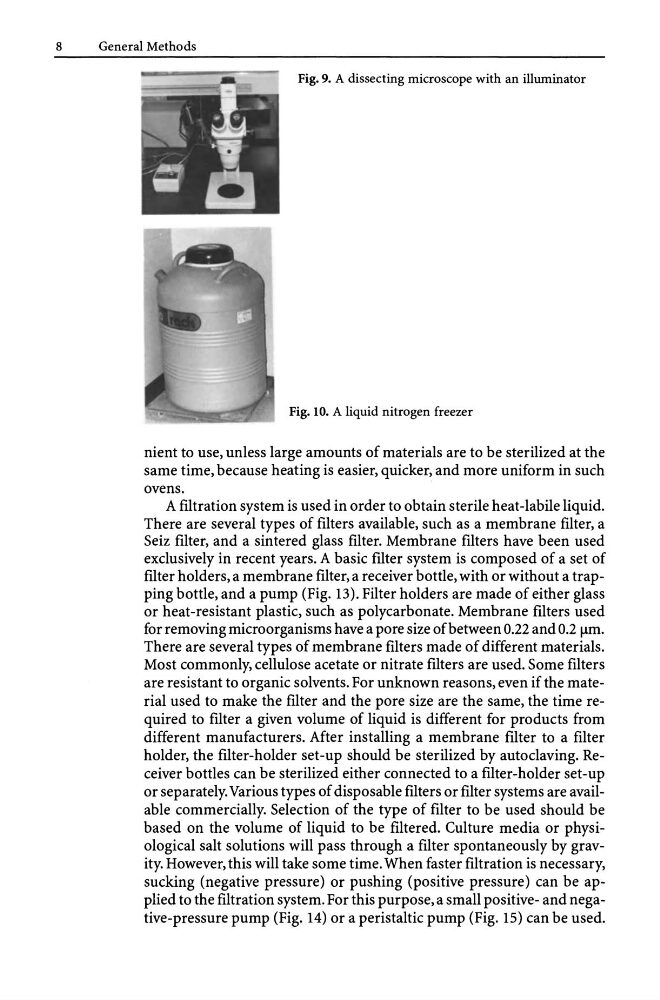
Fig. 9. A dissecting microscope with an illuminator
Fig. 10. A liquid nitrogen freezer
nient to use, unless large amounts of materials are to be sterilized at the
same time, because heating is easier, quicker, and more uniform in such
ovens.
A filtration system is used in order to obtain sterile heat-labile liquid.
There are several types of filters available, such as a membrane filter, a
Seiz filter, and a sintered glass filter. Membrane filters have been used
exclusively in recent years. A basic filter system is composed of a set of
filter holders, a membrane filter, a receiver bottle, with or without a trapping bottle, and a pump (Fig. 13). Filter holders are made of either glass
or heat-resistant plastic, such as polycarbonate. Membrane filters used
for removing microorganisms have a pore size of between 0.22 and 0.2 Jlm.
There are several types of membrane filters made of different materials.
Most commonly, cellulose acetate or nitrate filters are used. Some filters
are resistant to organic solvents. For unknown reasons, even if the material used to make the filter and the pore size are the same, the time required to filter a given volume of liquid is different for products from
different manufacturers. After installing a membrane filter to a filter
holder, the filter-holder set-up should be sterilized by autoclaving. Receiver bottles can be sterilized either connected to a filter-holder set-up
or separately. Various types of disposable filters or filter systems are available commercially. Selection of the type of filter to be used should be
based on the volume of liquid to be filtered. Culture media or physiological salt solutions will pass through a filter spontaneously by gravity. However, this will take some time. When faster filtration is necessary,
sucking (negative pressure) or pushing (positive pressure) can be applied to the filtration system. For this purpose, a small positive- and negative-pressure pump (Fig. 14) or a peristaltic pump (Fig. 15) can be used.
General Methods
Fig. 9. A dissecting microscope with an illuminator
Fig. 10. A liquid nitrogen freezer
nient to use, unless large amounts of materials are to be sterilized at the
same time, because heating is easier, quicker, and more uniform in such
ovens.
A filtration system is used in order to obtain sterile heat-labile liquid.
There are several types of filters available, such as a membrane filter, a
Seiz filter, and a sintered glass filter. Membrane filters have been used
exclusively in recent years. A basic filter system is composed of a set of
filter holders, a membrane filter, a receiver bottle, with or without a trapping bottle, and a pump (Fig. 13). Filter holders are made of either glass
or heat-resistant plastic, such as polycarbonate. Membrane filters used
for removing microorganisms have a pore size of between 0.22 and 0.2 Jlm.
There are several types of membrane filters made of different materials.
Most commonly, cellulose acetate or nitrate filters are used. Some filters
are resistant to organic solvents. For unknown reasons, even if the material used to make the filter and the pore size are the same, the time required to filter a given volume of liquid is different for products from
different manufacturers. After installing a membrane filter to a filter
holder, the filter-holder set-up should be sterilized by autoclaving. Receiver bottles can be sterilized either connected to a filter-holder set-up
or separately. Various types of disposable filters or filter systems are available commercially. Selection of the type of filter to be used should be
based on the volume of liquid to be filtered. Culture media or physiological salt solutions will pass through a filter spontaneously by gravity. However, this will take some time. When faster filtration is necessary,
sucking (negative pressure) or pushing (positive pressure) can be applied to the filtration system. For this purpose, a small positive- and negative-pressure pump (Fig. 14) or a peristaltic pump (Fig. 15) can be used.