

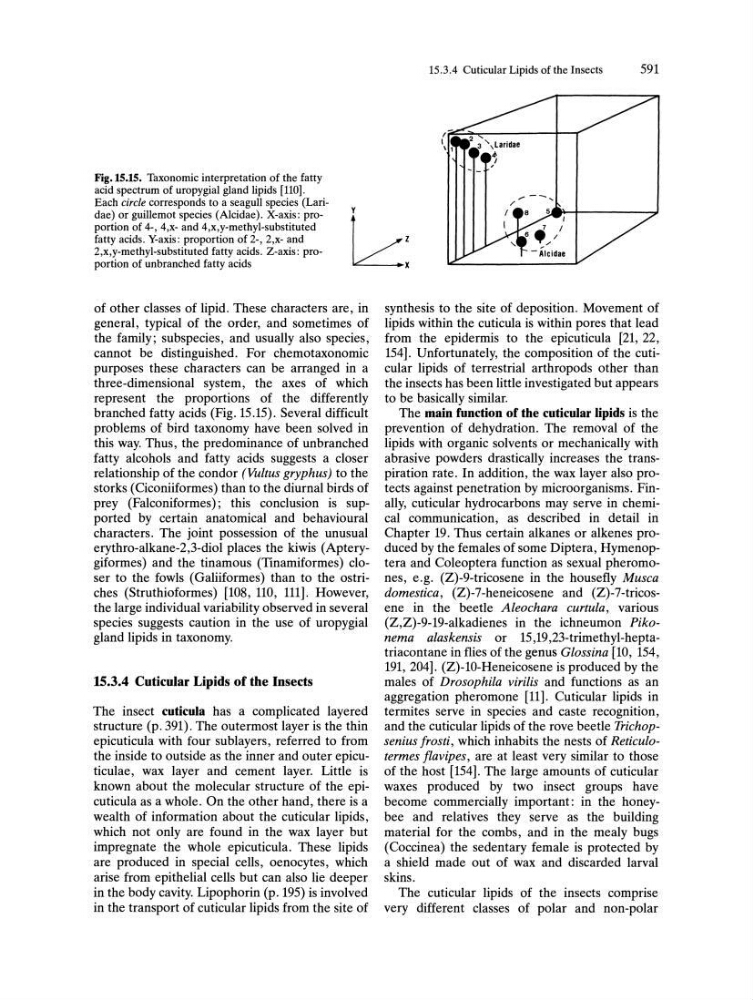
Fig.15.15. Taxonomic interpretation of the fatty
acid spectrum of uropygial gland lipids [110].
Each circle corresponds to a seagull species (Laridae) or guillemot species (Alcidae). X-axis: proportion of 4-, 4,x- and 4,x,y-methyl-substituted
fatty acids. Y-axis: proportion of 2-, 2,x- and
2,x,y-methyl-substituted fatty acids. Z-axis: proportion of unbranched fatty acids
of other classes of lipid. These characters are, in
general, typical of the order, and sometimes of
the family; subspecies, and usually also species,
cannot be distinguished. For chemotaxonomic
purposes these characters can be arranged in a
three-dimensional system, the axes of which
represent the proportions of the differently
branched fatty acids (Fig. 15.15). Several difficult
problems of bird taxonomy have been solved in
this way. Thus, the predominance of unbranched
fatty alcohols and fatty acids suggests a closer
relationship of the condor (Vultus gryphus) to the
storks (Ciconiiformes) than to the diurnal birds of
prey (Falconiformes) ; this conclusion is supported by certain anatomical and behavioural
characters. The joint possession of the unusual
erythro-alkane-2,3-diol places the kiwis (Apterygiformes) and the tinamous (Tinamiformes) closer to the fowls (Galiiformes) than to the ostriches (Struthioformes) [108, 110, 111]. However,
the large individual variability observed in several
species suggests caution in the use of uropygial
gland lipids in taxonomy.
15.3.4 Cuticular Lipids of the Insects
The insect cuticula has a complicated layered
structure (p. 391). The outermost layer is the thin
epicuticula with four sublayers, referred to from
the inside to outside as the inner and outer epicuticulae, wax layer and cement layer. Little is
known about the molecular structure of the epicuticula as a whole. On the other hand, there is a
wealth of information about the cuticular lipids,
which not only are found in the wax layer but
impregnate the whole epicuticula. These lipids
are produced in special cells, oenocytes, which
arise from epithelial cells but can also lie deeper
in the body cavity. Lipophorin (p. 195) is involved
in the transport of cuticular lipids from the site of
15.3.4 Cuticular Lipids of the Insects
591
synthesis to the site of deposition. Movement of
lipids within the cuticula is within pores that lead
from the epidermis to the epicuticula [21, 22,
154]. Unfortunately, the composition of the cuticular lipids of terrestrial arthropods other than
the insects has been little investigated but appears
to be basically similar.
The main function of the cuticular lipids is the
prevention of dehydration. The removal of the
lipids with organic solvents or mechanically with
abrasive powders drastically increases the transpiration rate. In addition, the wax layer also protects against penetration by microorganisms. Finally, cuticular hydrocarbons may serve in chemical communication, as described in detail in
Chapter 19. Thus certain alkanes or alkenes produced by the females of some Diptera, Hymenoptera and Coleoptera function as sexual pheromones, e.g. (Z)-9-tricosene in the housefly Musca
domestica, (Z)-7-heneicosene and (Z)-7-tricosene in the beetle Aleochara curtula, various
(Z,Z)-9-19-alkadienes in the ichneumon Pikonema alaskensis or 15 ,19 ,23-trimethyl-heptatriacontane in flies of the genus Glossina [10, 154,
191, 204]. (Z)-lO-Heneicosene is produced by the
males of Drosophila virilis and functions as an
aggregation pheromone [11]. Cuticular lipids in
termites serve in species and caste recognition,
and the cuticular lipids of the rove beetle Trichopsenius frosti, which inhabits the nests of Reticulotermes f/avipes, are at least very similar to those
of the host [154]. The large amounts of cuticular
waxes produced by two insect groups have
become commercially important: in the honeybee and relatives they serve as the building
material for the combs, and in the mealy bugs
(Coccinea) the sedentary female is protected by
a shield made out of wax and discarded larval
skins.
The cuticular lipids of the insects comprise
very different classes of polar and non-polar