

Table 12.4. Phosphagens or the corresponding phosphagen kinases in muscles or whole animals
Protozoa: A [82]
Porifera: A or K [36, 82, 185]
Plathelminthes: n.d. [18]; Fasciola gigantica and
Paramphistomum explanatum: A + G +
K [91]
Nemertini: A [82]
Nemathelminthes: n.d. or A [18]
Mollusca: A [82]
Annelida [82]
Polychaeta: Nereidae:
G and/or K
Aphroditidae:
G and/or K
Glyceridae:
K
Eunicidae:
K
Terebellidae:
mostly A
Sabellidae:
A or K or T
Ophelidae:
D-L or 0
Oligochaeta: D-L; Tubi/ex sp. D-L + A
Hirudinea: n.d.
Sipunculida: Sipunculus nudus: A, various species:
H + T[82, 95]
Echiurida: Bonellia viridis: n.d., Urechis caupo: L-L
[82], Thalassema neptuni: Th [245]
Arthropoda: A [82]
Echinodermata [82, 207, 257]
Crinoidea:
A
Echinoidea:
A or A + K
Ophiuroidea:
K
Asteroidea:
A or K
Holothurioidea:
A or A + K
Hemichordata: Saccoglossus kowalevskii: A + K [185]
Chordata
Tunicata:
Acrania:
Vertebrata:
A [82]
K [185]
K
A, Arginine; G, glycocyamine; H, hypotaurocyamine; K,
creatine; L-L, L-Iombricine; D-L, D-Iombricine; 0, opheline; T, taurocyamine; Th, thalassamine; n.d., no phosphagen detectable
acceptor, as the amidine transferase is more-orless unspecific. Which of the guanidine compounds is phosphorylated to a phosphagen is
decided by the specificity of the available kinase.
An extreme example of this is provided by the
eggs of the polychaete Audouinia tentaculata;
these contain arginine, glycocyamine, creatine, Dlombricine and taurocyamine, but only lombricine
is phosphorylated [82]. The biosynthesis of creatine commences with the production by amidine
transfer of guanidinoacetate (glycocyamine),
which is then methylated. The enzymes involved,
arginine: glycine ami dine transferase and guanidinoacetate methyltransferase, have so far not been
detected in any of the creatine-containing invertebrates; tracer experiments with 14C-arginine and
14C-glycine all produced negative results. One or
both of these enzymes is missing in certain agnathans, cartilaginous and bony fish, amphibians
12.9.1 Biosynthesis and Occurrence
441
NH,
I
HN=C
NH,
I
I
NH-(CH ) -c -COOH + H,N-R
, 3
I
L-Arginine
H
L-Ornithine
NH,
I
HN=C
I
NH-R
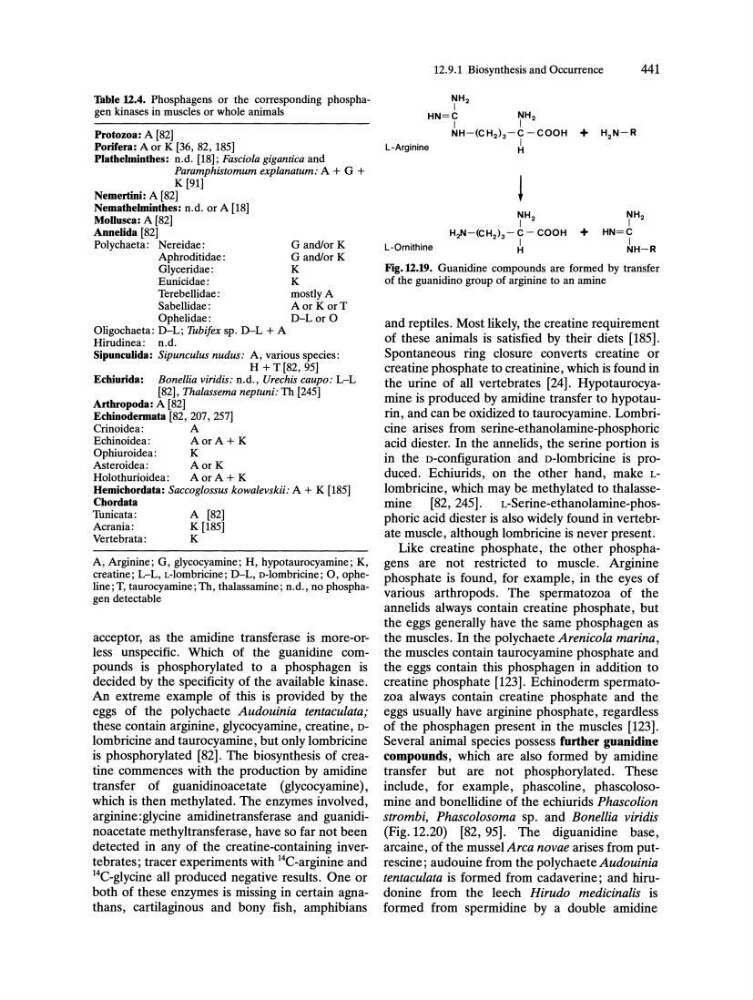
Fig.12.19. Guanidine compounds are formed by transfer
of the guanidino group of arginine to an amine
and reptiles. Most likely, the creatine requirement
of these animals is satisfied by their diets [185].
Spontaneous ring closure converts creatine or
creatine phosphate to creatinine, which is found in
the urine of all vertebrates [24]. Hypotaurocyamine is produced by ami dine transfer to hypotaurin, and can be oxidized to taurocyamine. Lombricine arises from serine-ethanolamine-phosphoric
acid diester. In the annelids, the serine portion is
in the D-configuration and D-Iombricine is produced. Echiurids, on the other hand, make Llombricine, which may be methylated to thalassemine [82, 245]. L-Serine-ethanolamine-phosphoric acid diester is also widely found in vertebrate muscle, although lombricine is never present.
Like creatine phosphate, the other phosphagens are not restricted to muscle. Arginine
phosphate is found, for example, in the eyes of
various arthropods. The spermatozoa of the
annelids always contain creatine phosphate, but
the eggs generally have the same phosphagen as
the muscles. In the polychaete Arenicola marina,
the muscles contain taurocyamine phosphate and
the eggs contain this phosphagen in addition to
creatine phosphate [123]. Echinoderm spermatozoa always contain creatine phosphate and the
eggs usually have arginine phosphate, regardless
of the phosphagen present in the muscles [123].
Several animal species possess further guanidine
compounds, which are also formed by amidine
transfer but are not phosphorylated. These
include, for example, phascoline, phascolosomine and bonellidine of the echiurids Phaseolion
strombi, Phaseolosoma sp. and Bonellia viridis
(Fig. 12.20) [82, 95]. The diguanidine base,
arcaine, of the mussel Area novae arises from putrescine; audouine from the polychaete Audouinia
tentaeulata is formed from cadaverine; and hirudonine from the leech Hirudo medicinalis is
formed from spermidine by a double amidine
Protozoa: A [82]
Porifera: A or K [36, 82, 185]
Plathelminthes: n.d. [18]; Fasciola gigantica and
Paramphistomum explanatum: A + G +
K [91]
Nemertini: A [82]
Nemathelminthes: n.d. or A [18]
Mollusca: A [82]
Annelida [82]
Polychaeta: Nereidae:
G and/or K
Aphroditidae:
G and/or K
Glyceridae:
K
Eunicidae:
K
Terebellidae:
mostly A
Sabellidae:
A or K or T
Ophelidae:
D-L or 0
Oligochaeta: D-L; Tubi/ex sp. D-L + A
Hirudinea: n.d.
Sipunculida: Sipunculus nudus: A, various species:
H + T[82, 95]
Echiurida: Bonellia viridis: n.d., Urechis caupo: L-L
[82], Thalassema neptuni: Th [245]
Arthropoda: A [82]
Echinodermata [82, 207, 257]
Crinoidea:
A
Echinoidea:
A or A + K
Ophiuroidea:
K
Asteroidea:
A or K
Holothurioidea:
A or A + K
Hemichordata: Saccoglossus kowalevskii: A + K [185]
Chordata
Tunicata:
Acrania:
Vertebrata:
A [82]
K [185]
K
A, Arginine; G, glycocyamine; H, hypotaurocyamine; K,
creatine; L-L, L-Iombricine; D-L, D-Iombricine; 0, opheline; T, taurocyamine; Th, thalassamine; n.d., no phosphagen detectable
acceptor, as the amidine transferase is more-orless unspecific. Which of the guanidine compounds is phosphorylated to a phosphagen is
decided by the specificity of the available kinase.
An extreme example of this is provided by the
eggs of the polychaete Audouinia tentaculata;
these contain arginine, glycocyamine, creatine, Dlombricine and taurocyamine, but only lombricine
is phosphorylated [82]. The biosynthesis of creatine commences with the production by amidine
transfer of guanidinoacetate (glycocyamine),
which is then methylated. The enzymes involved,
arginine: glycine ami dine transferase and guanidinoacetate methyltransferase, have so far not been
detected in any of the creatine-containing invertebrates; tracer experiments with 14C-arginine and
14C-glycine all produced negative results. One or
both of these enzymes is missing in certain agnathans, cartilaginous and bony fish, amphibians
12.9.1 Biosynthesis and Occurrence
441
NH,
I
HN=C
NH,
I
I
NH-(CH ) -c -COOH + H,N-R
, 3
I
L-Arginine
H
L-Ornithine
NH,
I
HN=C
I
NH-R
Fig.12.19. Guanidine compounds are formed by transfer
of the guanidino group of arginine to an amine
and reptiles. Most likely, the creatine requirement
of these animals is satisfied by their diets [185].
Spontaneous ring closure converts creatine or
creatine phosphate to creatinine, which is found in
the urine of all vertebrates [24]. Hypotaurocyamine is produced by ami dine transfer to hypotaurin, and can be oxidized to taurocyamine. Lombricine arises from serine-ethanolamine-phosphoric
acid diester. In the annelids, the serine portion is
in the D-configuration and D-Iombricine is produced. Echiurids, on the other hand, make Llombricine, which may be methylated to thalassemine [82, 245]. L-Serine-ethanolamine-phosphoric acid diester is also widely found in vertebrate muscle, although lombricine is never present.
Like creatine phosphate, the other phosphagens are not restricted to muscle. Arginine
phosphate is found, for example, in the eyes of
various arthropods. The spermatozoa of the
annelids always contain creatine phosphate, but
the eggs generally have the same phosphagen as
the muscles. In the polychaete Arenicola marina,
the muscles contain taurocyamine phosphate and
the eggs contain this phosphagen in addition to
creatine phosphate [123]. Echinoderm spermatozoa always contain creatine phosphate and the
eggs usually have arginine phosphate, regardless
of the phosphagen present in the muscles [123].
Several animal species possess further guanidine
compounds, which are also formed by amidine
transfer but are not phosphorylated. These
include, for example, phascoline, phascolosomine and bonellidine of the echiurids Phaseolion
strombi, Phaseolosoma sp. and Bonellia viridis
(Fig. 12.20) [82, 95]. The diguanidine base,
arcaine, of the mussel Area novae arises from putrescine; audouine from the polychaete Audouinia
tentaeulata is formed from cadaverine; and hirudonine from the leech Hirudo medicinalis is
formed from spermidine by a double amidine