

320
9 Toxic Proteins and Peptides
Toxic secretions are generally complex mixtures of several toxic proteins or polypeptides, with
different structures and activities, together with
non-toxic proteins, enzymes, oligopeptides, free
amino acids, amines and phospholipids. In many
cases, the accompanying substances are synergistic to or potentiate the pharmacological effects,
such that the overall activity of the toxin is more
than the sum of the individual components. For
example, the hyaluronidase found in the poisonous secretions of snakes, fish, bees, spiders and
scorpions promotes the spread of the toxin in the
tissues of the victim. In addition to serotonin and
other biological amines, the main cause of the
pain associated with the bite or sting of poisonous
animals is bradykinin or another kinin; either
these are components of the poison, e.g. in Cnidaria and Vespidae, or, as in many snakes, they
are formed from the plasma kininogen of the victim by kininogenase activity in the poison. The
lethal effects of snake bites involve various enzymes as well as the toxins themselves.
9.1 Snake Venoms
Only about one-third of the known 2500 snake
species are poisonous (Table 9.2); 7 of the 12
snake families are composed only of nonpoisonous species. In the family Colubridae
(adders), only about 400 of the 1500 species are
poisonous; in these species, the fangs are usually
located at the back of the mouth cavity (opisthoglyphous snakes) and only come into effect during
swallowing. Only the few species with fangs further forward are dangerous for humans. In the
four families of effectively poisonous snakes, the
poison apparatus is highly developed: the fangs
are located right at the front of the mouth cavity
(proteriglyphous snakes) and the venom either
flows along a groove in the fang, as in the elapids
and sea snakes, or is injected directly into the victim through the hollow fangs, as in the vipers and
pit vipers. The venom apparatus of the snakes serves primarily to immobilize the prey during the
long swallowing process. Death of the prey
mostly involves disruption of the circulation and
respiration through the effect of nerve and heart
toxins; in addition, some snake venoms result in
tissue destruction through necrosis or prevention
of blood clotting.
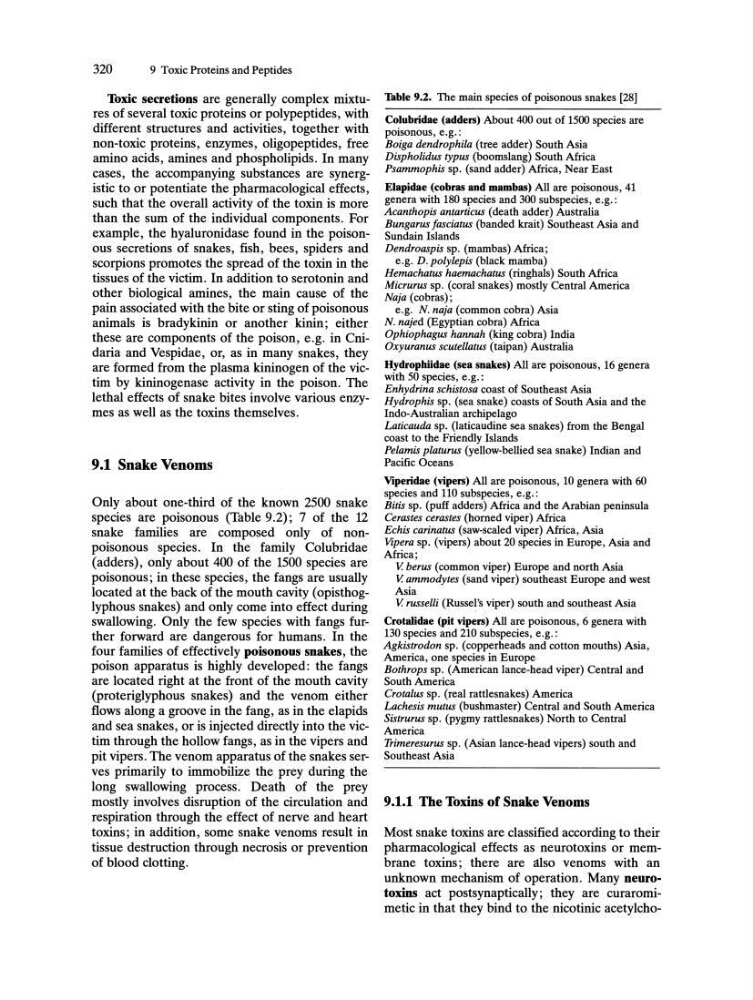
Table 9.2. The main species of poisonous snakes [28]
Colubridae (adders) About 400 out of 1500 species are
poisonous, e.g.:
Boiga dendrophila (tree adder) South Asia
Dispholidus typus (boomslang) South Africa
Psammophis sp. (sand adder) Africa, Near East
Elapidae (cobras and mambas) All are poisonous, 41
genera with 180 species and 300 subspecies, e.g.:
Acanthopis antarticus (death adder) Australia
Bungarus fasciatus (banded krait) Southeast Asia and
Sundain Islands
Dendroaspis sp. (mambas) Africa;
e.g. D. polylepis (black mamba)
Hemachatus haemachatus (ringhals) South Africa
Micrurus sp. (coral snakes) mostly Central America
Naja (cobras);
e.g. N. naja (common cobra) Asia
N. najed (Egyptian cobra) Africa
Ophiophagus hannah (king cobra) India
Oxyuranus scutellatus (taipan) Australia
Hydropbiidae (sea snakes) All are poisonous, 16 genera
with 50 species, e.g.:
Enhydrina schistosa coast of Southeast Asia
Hydrophis sp. (sea snake) coasts of South Asia and the
Indo-Australian archipelago
Laticauda sp. (laticaudine sea snakes) from the Bengal
coast to the Friendly Islands
Pelamis platurus (yellow-bellied sea snake) Indian and
Pacific Oceans
Viperidae (vipers) All are poisonous, 10 genera with 60
species and 110 subspecies, e.g.:
Bitis sp. (puff adders) Africa and the Arabian peninsula
Cerastes cerastes (horned viper) Africa
Echis carinatus (saw-scaled viper) Africa, Asia
Vipera sp. (vipers) about 20 species in Europe, Asia and
Africa;
V. berus (common viper) Europe and north Asia
V. ammodytes (sand viper) southeast Europe and west
Asia
V. russelli (Russel's viper) south and southeast Asia
Crotalidae (pit vipers) All are poisonous, 6 genera with
130 species and 210 subspecies, e.g.:
Agkistrodon sp. (copperheads and cotton mouths) Asia,
America, one species in Europe
Bothrops sp. (American lance-head viper) Central and
South America
Crotalus sp. (real rattlesnakes) America
Lachesis mutus (bushmaster) Central and South America
Sistrurus sp. (pygmy rattlesnakes) North to Central
America
Trimeresurus sp. (Asian lance-head vipers) south and
Southeast Asia
9.1.1 The Toxins of Snake Venoms
Most snake toxins are classified according to their
pharmacological effects as neurotoxins or membrane toxins; there are also venoms with an
unknown mechanism of operation. Many neurotoxins act postsynaptically; they are curaromimetic in that they bind to the nicotinic acety1cho-
9 Toxic Proteins and Peptides
Toxic secretions are generally complex mixtures of several toxic proteins or polypeptides, with
different structures and activities, together with
non-toxic proteins, enzymes, oligopeptides, free
amino acids, amines and phospholipids. In many
cases, the accompanying substances are synergistic to or potentiate the pharmacological effects,
such that the overall activity of the toxin is more
than the sum of the individual components. For
example, the hyaluronidase found in the poisonous secretions of snakes, fish, bees, spiders and
scorpions promotes the spread of the toxin in the
tissues of the victim. In addition to serotonin and
other biological amines, the main cause of the
pain associated with the bite or sting of poisonous
animals is bradykinin or another kinin; either
these are components of the poison, e.g. in Cnidaria and Vespidae, or, as in many snakes, they
are formed from the plasma kininogen of the victim by kininogenase activity in the poison. The
lethal effects of snake bites involve various enzymes as well as the toxins themselves.
9.1 Snake Venoms
Only about one-third of the known 2500 snake
species are poisonous (Table 9.2); 7 of the 12
snake families are composed only of nonpoisonous species. In the family Colubridae
(adders), only about 400 of the 1500 species are
poisonous; in these species, the fangs are usually
located at the back of the mouth cavity (opisthoglyphous snakes) and only come into effect during
swallowing. Only the few species with fangs further forward are dangerous for humans. In the
four families of effectively poisonous snakes, the
poison apparatus is highly developed: the fangs
are located right at the front of the mouth cavity
(proteriglyphous snakes) and the venom either
flows along a groove in the fang, as in the elapids
and sea snakes, or is injected directly into the victim through the hollow fangs, as in the vipers and
pit vipers. The venom apparatus of the snakes serves primarily to immobilize the prey during the
long swallowing process. Death of the prey
mostly involves disruption of the circulation and
respiration through the effect of nerve and heart
toxins; in addition, some snake venoms result in
tissue destruction through necrosis or prevention
of blood clotting.
Table 9.2. The main species of poisonous snakes [28]
Colubridae (adders) About 400 out of 1500 species are
poisonous, e.g.:
Boiga dendrophila (tree adder) South Asia
Dispholidus typus (boomslang) South Africa
Psammophis sp. (sand adder) Africa, Near East
Elapidae (cobras and mambas) All are poisonous, 41
genera with 180 species and 300 subspecies, e.g.:
Acanthopis antarticus (death adder) Australia
Bungarus fasciatus (banded krait) Southeast Asia and
Sundain Islands
Dendroaspis sp. (mambas) Africa;
e.g. D. polylepis (black mamba)
Hemachatus haemachatus (ringhals) South Africa
Micrurus sp. (coral snakes) mostly Central America
Naja (cobras);
e.g. N. naja (common cobra) Asia
N. najed (Egyptian cobra) Africa
Ophiophagus hannah (king cobra) India
Oxyuranus scutellatus (taipan) Australia
Hydropbiidae (sea snakes) All are poisonous, 16 genera
with 50 species, e.g.:
Enhydrina schistosa coast of Southeast Asia
Hydrophis sp. (sea snake) coasts of South Asia and the
Indo-Australian archipelago
Laticauda sp. (laticaudine sea snakes) from the Bengal
coast to the Friendly Islands
Pelamis platurus (yellow-bellied sea snake) Indian and
Pacific Oceans
Viperidae (vipers) All are poisonous, 10 genera with 60
species and 110 subspecies, e.g.:
Bitis sp. (puff adders) Africa and the Arabian peninsula
Cerastes cerastes (horned viper) Africa
Echis carinatus (saw-scaled viper) Africa, Asia
Vipera sp. (vipers) about 20 species in Europe, Asia and
Africa;
V. berus (common viper) Europe and north Asia
V. ammodytes (sand viper) southeast Europe and west
Asia
V. russelli (Russel's viper) south and southeast Asia
Crotalidae (pit vipers) All are poisonous, 6 genera with
130 species and 210 subspecies, e.g.:
Agkistrodon sp. (copperheads and cotton mouths) Asia,
America, one species in Europe
Bothrops sp. (American lance-head viper) Central and
South America
Crotalus sp. (real rattlesnakes) America
Lachesis mutus (bushmaster) Central and South America
Sistrurus sp. (pygmy rattlesnakes) North to Central
America
Trimeresurus sp. (Asian lance-head vipers) south and
Southeast Asia
9.1.1 The Toxins of Snake Venoms
Most snake toxins are classified according to their
pharmacological effects as neurotoxins or membrane toxins; there are also venoms with an
unknown mechanism of operation. Many neurotoxins act postsynaptically; they are curaromimetic in that they bind to the nicotinic acety1cho-