

18 The Seascape as an Indicator of Environmental Interest and Quality . . .
283
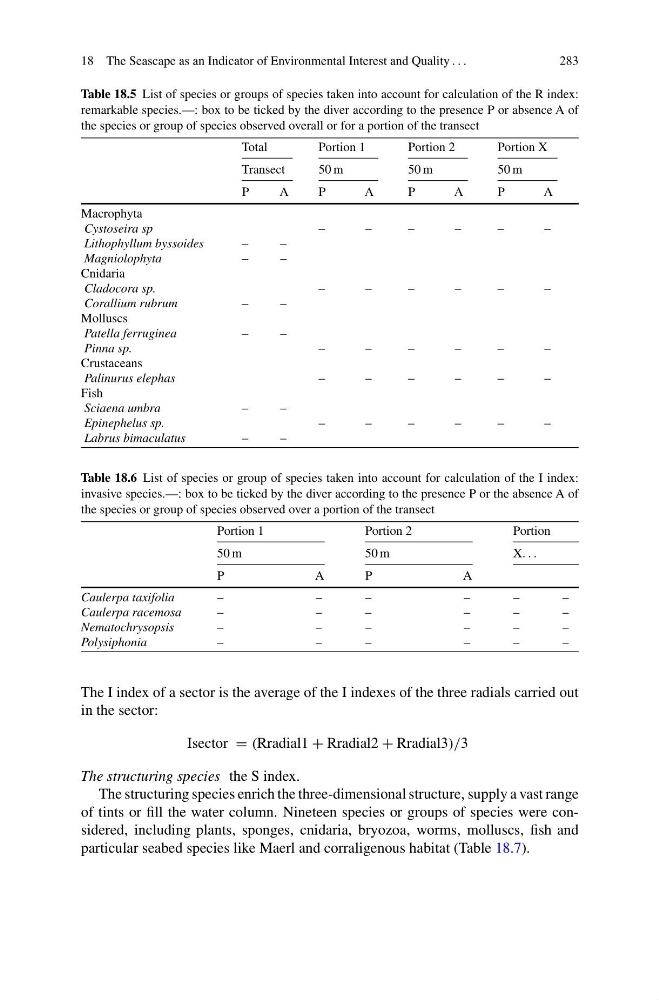
Table 18.5 List of species or groups of species taken into account for calculation of the R index:
remarkable species.—: box to be ticked by the diver according to the presence P or absence A of
the species or group of species observed overall or for a portion of the transect
Total
Portion 1
Portion 2
Portion X
Transect
50 m
50 m
50 m
P
A
P
A
P
A
P
A
Macrophyta
Cystoseira sp
–
–
–
–
–
–
Lithophyllum byssoides
–
–
Magniolophyta
–
–
Cnidaria
Cladocora sp.
–
–
–
–
–
–
Corallium rubrum
–
–
Molluscs
Patella ferruginea
–
–
Pinna sp.
–
–
–
–
–
–
Crustaceans
Palinurus elephas
–
–
–
–
–
–
Fish
Sciaena umbra
–
–
Epinephelus sp.
–
–
–
–
–
–
Labrus bimaculatus
–
–
Table 18.6 List of species or group of species taken into account for calculation of the I index:
invasive species.—: box to be ticked by the diver according to the presence P or the absence A of
the species or group of species observed over a portion of the transect
Portion 1
Portion 2
Portion
50 m
50 m
X. . .
P
A
P
A
Caulerpa taxifolia
–
–
–
–
–
–
Caulerpa racemosa
–
–
–
–
–
–
Nematochrysopsis
–
–
–
–
–
–
Polysiphonia
–
–
–
–
–
–
The I index of a sector is the average of the I indexes of the three radials carried out
in the sector:
Isector = (Rradial1 + Rradial2 + Rradial3)/3
The structuring species the S index.
The structuring species enrich the three-dimensional structure, supply a vast range
of tints or fill the water column. Nineteen species or groups of species were considered, including plants, sponges, cnidaria, bryozoa, worms, molluscs, fish and
particular seabed species like Maerl and corraligenous habitat (Table 18.7).
283
Table 18.5 List of species or groups of species taken into account for calculation of the R index:
remarkable species.—: box to be ticked by the diver according to the presence P or absence A of
the species or group of species observed overall or for a portion of the transect
Total
Portion 1
Portion 2
Portion X
Transect
50 m
50 m
50 m
P
A
P
A
P
A
P
A
Macrophyta
Cystoseira sp
–
–
–
–
–
–
Lithophyllum byssoides
–
–
Magniolophyta
–
–
Cnidaria
Cladocora sp.
–
–
–
–
–
–
Corallium rubrum
–
–
Molluscs
Patella ferruginea
–
–
Pinna sp.
–
–
–
–
–
–
Crustaceans
Palinurus elephas
–
–
–
–
–
–
Fish
Sciaena umbra
–
–
Epinephelus sp.
–
–
–
–
–
–
Labrus bimaculatus
–
–
Table 18.6 List of species or group of species taken into account for calculation of the I index:
invasive species.—: box to be ticked by the diver according to the presence P or the absence A of
the species or group of species observed over a portion of the transect
Portion 1
Portion 2
Portion
50 m
50 m
X. . .
P
A
P
A
Caulerpa taxifolia
–
–
–
–
–
–
Caulerpa racemosa
–
–
–
–
–
–
Nematochrysopsis
–
–
–
–
–
–
Polysiphonia
–
–
–
–
–
–
The I index of a sector is the average of the I indexes of the three radials carried out
in the sector:
Isector = (Rradial1 + Rradial2 + Rradial3)/3
The structuring species the S index.
The structuring species enrich the three-dimensional structure, supply a vast range
of tints or fill the water column. Nineteen species or groups of species were considered, including plants, sponges, cnidaria, bryozoa, worms, molluscs, fish and
particular seabed species like Maerl and corraligenous habitat (Table 18.7).