

282
S. Gobert et al.
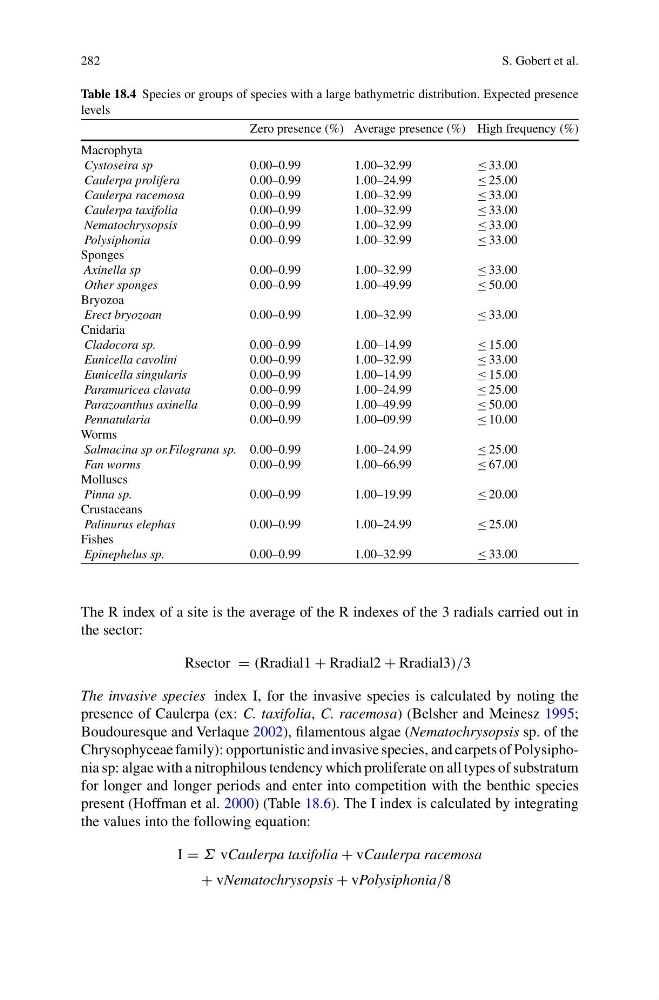
Table 18.4 Species or groups of species with a large bathymetric distribution. Expected presence
levels
Zero presence (%) Average presence (%) High frequency (%)
Macrophyta
Cystoseira sp
0.00–0.99
1.00–32.99
≤ 33.00
Caulerpa prolifera
0.00–0.99
1.00–24.99
≤ 25.00
Caulerpa racemosa
0.00–0.99
1.00–32.99
≤ 33.00
Caulerpa taxifolia
0.00–0.99
1.00–32.99
≤ 33.00
Nematochrysopsis
0.00–0.99
1.00–32.99
≤ 33.00
Polysiphonia
0.00–0.99
1.00–32.99
≤ 33.00
Sponges
Axinella sp
0.00–0.99
1.00–32.99
≤ 33.00
Other sponges
0.00–0.99
1.00–49.99
≤ 50.00
Bryozoa
Erect bryozoan
0.00–0.99
1.00–32.99
≤ 33.00
Cnidaria
Cladocora sp.
0.00–0.99
1.00–14.99
≤ 15.00
Eunicella cavolini
0.00–0.99
1.00–32.99
≤ 33.00
Eunicella singularis
0.00–0.99
1.00–14.99
≤ 15.00
Paramuricea clavata
0.00–0.99
1.00–24.99
≤ 25.00
Parazoanthus axinella
0.00–0.99
1.00–49.99
≤ 50.00
Pennatularia
0.00–0.99
1.00–09.99
≤ 10.00
Worms
Salmacina sp or.Filograna sp. 0.00–0.99
1.00–24.99
≤ 25.00
Fan worms
0.00–0.99
1.00–66.99
≤ 67.00
Molluscs
Pinna sp.
0.00–0.99
1.00–19.99
≤ 20.00
Crustaceans
Palinurus elephas
0.00–0.99
1.00–24.99
≤ 25.00
Fishes
Epinephelus sp.
0.00–0.99
1.00–32.99
≤ 33.00
The R index of a site is the average of the R indexes of the 3 radials carried out in
the sector:
Rsector = (Rradial1 + Rradial2 + Rradial3)/3
The invasive species index I, for the invasive species is calculated by noting the
presence of Caulerpa (ex: C. taxifolia, C. racemosa) (Belsher and Meinesz 1995;
Boudouresque and Verlaque 2002), filamentous algae (Nematochrysopsis sp. of the
Chrysophyceae family): opportunistic and invasive species, and carpets of Polysiphonia sp: algae with a nitrophilous tendency which proliferate on all types of substratum
for longer and longer periods and enter into competition with the benthic species
present (Hoffman et al. 2000) (Table 18.6). The I index is calculated by integrating
the values into the following equation:
I = Σ vCaulerpa taxifolia + vCaulerpa racemosa
+ vNematochrysopsis + vPolysiphonia/8
S. Gobert et al.
Table 18.4 Species or groups of species with a large bathymetric distribution. Expected presence
levels
Zero presence (%) Average presence (%) High frequency (%)
Macrophyta
Cystoseira sp
0.00–0.99
1.00–32.99
≤ 33.00
Caulerpa prolifera
0.00–0.99
1.00–24.99
≤ 25.00
Caulerpa racemosa
0.00–0.99
1.00–32.99
≤ 33.00
Caulerpa taxifolia
0.00–0.99
1.00–32.99
≤ 33.00
Nematochrysopsis
0.00–0.99
1.00–32.99
≤ 33.00
Polysiphonia
0.00–0.99
1.00–32.99
≤ 33.00
Sponges
Axinella sp
0.00–0.99
1.00–32.99
≤ 33.00
Other sponges
0.00–0.99
1.00–49.99
≤ 50.00
Bryozoa
Erect bryozoan
0.00–0.99
1.00–32.99
≤ 33.00
Cnidaria
Cladocora sp.
0.00–0.99
1.00–14.99
≤ 15.00
Eunicella cavolini
0.00–0.99
1.00–32.99
≤ 33.00
Eunicella singularis
0.00–0.99
1.00–14.99
≤ 15.00
Paramuricea clavata
0.00–0.99
1.00–24.99
≤ 25.00
Parazoanthus axinella
0.00–0.99
1.00–49.99
≤ 50.00
Pennatularia
0.00–0.99
1.00–09.99
≤ 10.00
Worms
Salmacina sp or.Filograna sp. 0.00–0.99
1.00–24.99
≤ 25.00
Fan worms
0.00–0.99
1.00–66.99
≤ 67.00
Molluscs
Pinna sp.
0.00–0.99
1.00–19.99
≤ 20.00
Crustaceans
Palinurus elephas
0.00–0.99
1.00–24.99
≤ 25.00
Fishes
Epinephelus sp.
0.00–0.99
1.00–32.99
≤ 33.00
The R index of a site is the average of the R indexes of the 3 radials carried out in
the sector:
Rsector = (Rradial1 + Rradial2 + Rradial3)/3
The invasive species index I, for the invasive species is calculated by noting the
presence of Caulerpa (ex: C. taxifolia, C. racemosa) (Belsher and Meinesz 1995;
Boudouresque and Verlaque 2002), filamentous algae (Nematochrysopsis sp. of the
Chrysophyceae family): opportunistic and invasive species, and carpets of Polysiphonia sp: algae with a nitrophilous tendency which proliferate on all types of substratum
for longer and longer periods and enter into competition with the benthic species
present (Hoffman et al. 2000) (Table 18.6). The I index is calculated by integrating
the values into the following equation:
I = Σ vCaulerpa taxifolia + vCaulerpa racemosa
+ vNematochrysopsis + vPolysiphonia/8