

148
N. Marb `
a, M. Holmer, and E. Gacia
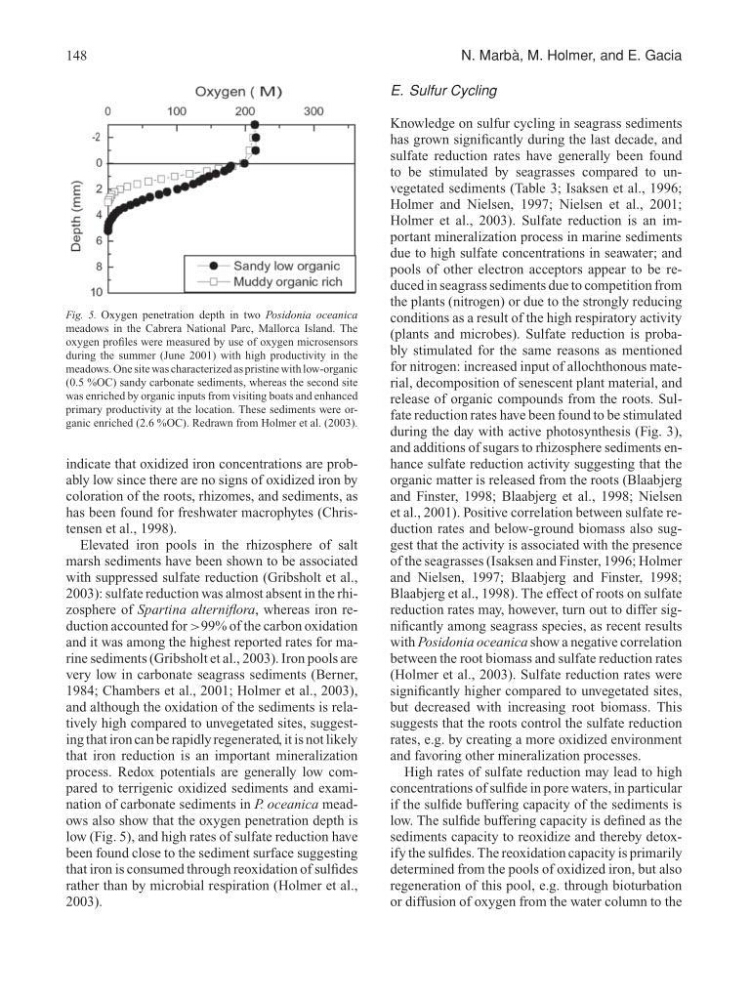
Fig. 5. Oxygen penetration depth in two Posidonia oceanica
meadows in the Cabrera National Parc, Mallorca Island. The
oxygen profiles were measured by use of oxygen microsensors
during the summer (June 2001) with high productivity in the
meadows. One site was characterized as pristine with low-organic
(0.5 %OC) sandy carbonate sediments, whereas the second site
was enriched by organic inputs from visiting boats and enhanced
primary productivity at the location. These sediments were organic enriched (2.6 %OC). Redrawn from Holmer et al. (2003).
indicate that oxidized iron concentrations are probably low since there are no signs of oxidized iron by
coloration of the roots, rhizomes, and sediments, as
has been found for freshwater macrophytes (Christensen et al., 1998).
Elevated iron pools in the rhizosphere of salt
marsh sediments have been shown to be associated
with suppressed sulfate reduction (Gribsholt et al.,
2003): sulfate reduction was almost absent in the rhizosphere of Spartina alterniflora, whereas iron reduction accounted for >99% of the carbon oxidation
and it was among the highest reported rates for marine sediments (Gribsholt et al., 2003). Iron pools are
very low in carbonate seagrass sediments (Berner,
1984; Chambers et al., 2001; Holmer et al., 2003),
and although the oxidation of the sediments is relatively high compared to unvegetated sites, suggesting that iron can be rapidly regenerated, it is not likely
that iron reduction is an important mineralization
process. Redox potentials are generally low compared to terrigenic oxidized sediments and examination of carbonate sediments in P. oceanica meadows also show that the oxygen penetration depth is
low (Fig. 5), and high rates of sulfate reduction have
been found close to the sediment surface suggesting
that iron is consumed through reoxidation of sulfides
rather than by microbial respiration (Holmer et al.,
2003).
E. Sulfur Cycling
Knowledge on sulfur cycling in seagrass sediments
has grown significantly during the last decade, and
sulfate reduction rates have generally been found
to be stimulated by seagrasses compared to unvegetated sediments (Table 3; Isaksen et al., 1996;
Holmer and Nielsen, 1997; Nielsen et al., 2001;
Holmer et al., 2003). Sulfate reduction is an important mineralization process in marine sediments
due to high sulfate concentrations in seawater; and
pools of other electron acceptors appear to be reduced in seagrass sediments due to competition from
the plants (nitrogen) or due to the strongly reducing
conditions as a result of the high respiratory activity
(plants and microbes). Sulfate reduction is probably stimulated for the same reasons as mentioned
for nitrogen: increased input of allochthonous material, decomposition of senescent plant material, and
release of organic compounds from the roots. Sulfate reduction rates have been found to be stimulated
during the day with active photosynthesis (Fig. 3),
and additions of sugars to rhizosphere sediments enhance sulfate reduction activity suggesting that the
organic matter is released from the roots (Blaabjerg
and Finster, 1998; Blaabjerg et al., 1998; Nielsen
et al., 2001). Positive correlation between sulfate reduction rates and below-ground biomass also suggest that the activity is associated with the presence
of the seagrasses (Isaksen and Finster, 1996; Holmer
and Nielsen, 1997; Blaabjerg and Finster, 1998;
Blaabjerg et al., 1998). The effect of roots on sulfate
reduction rates may, however, turn out to differ significantly among seagrass species, as recent results
with Posidonia oceanica show a negative correlation
between the root biomass and sulfate reduction rates
(Holmer et al., 2003). Sulfate reduction rates were
significantly higher compared to unvegetated sites,
but decreased with increasing root biomass. This
suggests that the roots control the sulfate reduction
rates, e.g. by creating a more oxidized environment
and favoring other mineralization processes.
High rates of sulfate reduction may lead to high
concentrations of sulfide in pore waters, in particular
if the sulfide buffering capacity of the sediments is
low. The sulfide buffering capacity is defined as the
sediments capacity to reoxidize and thereby detoxify the sulfides. The reoxidation capacity is primarily
determined from the pools of oxidized iron, but also
regeneration of this pool, e.g. through bioturbation
or diffusion of oxygen from the water column to the
N. Marb `
a, M. Holmer, and E. Gacia
Fig. 5. Oxygen penetration depth in two Posidonia oceanica
meadows in the Cabrera National Parc, Mallorca Island. The
oxygen profiles were measured by use of oxygen microsensors
during the summer (June 2001) with high productivity in the
meadows. One site was characterized as pristine with low-organic
(0.5 %OC) sandy carbonate sediments, whereas the second site
was enriched by organic inputs from visiting boats and enhanced
primary productivity at the location. These sediments were organic enriched (2.6 %OC). Redrawn from Holmer et al. (2003).
indicate that oxidized iron concentrations are probably low since there are no signs of oxidized iron by
coloration of the roots, rhizomes, and sediments, as
has been found for freshwater macrophytes (Christensen et al., 1998).
Elevated iron pools in the rhizosphere of salt
marsh sediments have been shown to be associated
with suppressed sulfate reduction (Gribsholt et al.,
2003): sulfate reduction was almost absent in the rhizosphere of Spartina alterniflora, whereas iron reduction accounted for >99% of the carbon oxidation
and it was among the highest reported rates for marine sediments (Gribsholt et al., 2003). Iron pools are
very low in carbonate seagrass sediments (Berner,
1984; Chambers et al., 2001; Holmer et al., 2003),
and although the oxidation of the sediments is relatively high compared to unvegetated sites, suggesting that iron can be rapidly regenerated, it is not likely
that iron reduction is an important mineralization
process. Redox potentials are generally low compared to terrigenic oxidized sediments and examination of carbonate sediments in P. oceanica meadows also show that the oxygen penetration depth is
low (Fig. 5), and high rates of sulfate reduction have
been found close to the sediment surface suggesting
that iron is consumed through reoxidation of sulfides
rather than by microbial respiration (Holmer et al.,
2003).
E. Sulfur Cycling
Knowledge on sulfur cycling in seagrass sediments
has grown significantly during the last decade, and
sulfate reduction rates have generally been found
to be stimulated by seagrasses compared to unvegetated sediments (Table 3; Isaksen et al., 1996;
Holmer and Nielsen, 1997; Nielsen et al., 2001;
Holmer et al., 2003). Sulfate reduction is an important mineralization process in marine sediments
due to high sulfate concentrations in seawater; and
pools of other electron acceptors appear to be reduced in seagrass sediments due to competition from
the plants (nitrogen) or due to the strongly reducing
conditions as a result of the high respiratory activity
(plants and microbes). Sulfate reduction is probably stimulated for the same reasons as mentioned
for nitrogen: increased input of allochthonous material, decomposition of senescent plant material, and
release of organic compounds from the roots. Sulfate reduction rates have been found to be stimulated
during the day with active photosynthesis (Fig. 3),
and additions of sugars to rhizosphere sediments enhance sulfate reduction activity suggesting that the
organic matter is released from the roots (Blaabjerg
and Finster, 1998; Blaabjerg et al., 1998; Nielsen
et al., 2001). Positive correlation between sulfate reduction rates and below-ground biomass also suggest that the activity is associated with the presence
of the seagrasses (Isaksen and Finster, 1996; Holmer
and Nielsen, 1997; Blaabjerg and Finster, 1998;
Blaabjerg et al., 1998). The effect of roots on sulfate
reduction rates may, however, turn out to differ significantly among seagrass species, as recent results
with Posidonia oceanica show a negative correlation
between the root biomass and sulfate reduction rates
(Holmer et al., 2003). Sulfate reduction rates were
significantly higher compared to unvegetated sites,
but decreased with increasing root biomass. This
suggests that the roots control the sulfate reduction
rates, e.g. by creating a more oxidized environment
and favoring other mineralization processes.
High rates of sulfate reduction may lead to high
concentrations of sulfide in pore waters, in particular
if the sulfide buffering capacity of the sediments is
low. The sulfide buffering capacity is defined as the
sediments capacity to reoxidize and thereby detoxify the sulfides. The reoxidation capacity is primarily
determined from the pools of oxidized iron, but also
regeneration of this pool, e.g. through bioturbation
or diffusion of oxygen from the water column to the