

The bacteria mentioned above that fix dinitrogen without
any symbiotic association are called free nitrogen-fixing
bacteria. Bacteria known as symbiotic nitrogen-fixing bacteria fix dinitrogen only in association with plants.
Rhizobium and other genera (Bradyrhizobium,
Azorhizobium), belonging to alphaproteobacteria, infect the
roots of legumes, and these cause the formation of nodules.
In the nodules, the cells of Rhizobium are isolated from the
plant material by the surrounding membranes called sequestration membranes. Inside the sequestration membrane, the
bacteria continue to multiply at the expense of plant
metabolites and then differentiate into bacteroids fixing
dinitrogen. In this form, the multiplication of bacteria
stops. The leghemoglobin that is present in the nodules is
synthesized in part by the plant (globin) and partly by the
bacteroids (heme). This molecule regulates the supply of
dioxygen to the microorganisms and thereby protects nitrogenase and allows proper operation. Bacteroids fix
dinitrogen and release of ammonia nitrogen assimilated by
the plant that provides organic energy sources for
microorganisms.
The symbiotic nitrogen-fixing actinomycetes of the genus
Frankia establish associations with different plants. They
form root nodules with woody plants such as alders and
various other plants belonging to the families Rhamnaceae,
Myricaceae, Rosaceae, etc. In general, dinitrogen fixation by
free Frankia, but also often by symbiotic Frankia, is
correlated with the presence of vesicles containing nitrogenase. Thick envelopes of these structures limit diffusion of
dioxygen and create favorable conditions for enzyme
activity.
The presence of free-fixing bacteria associated with
plants has been described. Nodules of Psychotria leaves
(plant of Rubiaceae family) contain Klebsiella. Fixing
cyanobacteria (Anabaena) are associated with aquatic ferns
(Azolla). Some bacteria of the genus Gluconacetobacter are
endophytes of tissues of sugarcane; others multiply in the
rhizosphere of coffee plants. Azotobacter grows in the
rhizosphere of corn. It is not certain that in these cases the
bacteria that benefit from root exudates contribute to nitrogen nutrition of plants (cf. Sect. 11.3).
Incorporation of Ammonium
Microorganisms incorporate ammonia nitrogen in organic
compounds by using one of the mechanisms described in the
following equations:
α‐ketoglutarate þ NH 3 þ NADPH, H
þ
! L‐glutamate
þ H 2 O þ NADP
þ glutamate dehydrogenase
Pyruvate þ NH 3 þ NADPH, H
þ
! L‐alanine þ H 2 O þ NAD
þ
alanine dehydrogenase
Glutamate þ NH 3 þ ATP ! glutamine þ ADP þ Pi
glutamine synthetase
α‐ketoglutarate þ glutamine þ 2 H
þ
þ e
À
! 2 glutamate
Glutamine α‐ketoglutarate aminotransferase
Only a few microorganisms can incorporate ammonia
nitrogen in the pyruvate. Glutamate and glutamine are the
nitrogen source of the cellular amino acids. Glutamate is the
major source of nitrogen.
The other amino acids result from changes to the molecular structure of glutamate to a small number of them (arginine, proline), but essentially from transaminations (transfer
reactions of the amino group catalyzed by transaminase)
with keto acids (aspartate, arginine, alanine, threonine,
Table 3.18 Examples of microorganisms fixing dinitrogen under
nonsymbiotic conditions
Chemotrophic microorganisms
Phototrophic
microorganisms
Aerobic microorganisms
Aerobic
microorganisms
Azotobacter, Azomonas, Klebsiella,
Azospirillum, Gluconacetobacter, Bacillus,
Thiobacillus, Alcaligenes, methylotrophic
bacteria
Cyanobacteria
Anaerobic microorganisms
Anaerobic
microorganisms
Bacteria: Clostridium, sulfate-reducing
bacteria
Anoxygenic
phototrophic bacteria
Archaea: methanogens
Electron donor
8e
-
Flavodoxin
or
Ferredoxin
16 ATP
16 ADP
Dinitrogenase reductase
Dinitrogenase
Nitrogenase
complex
N 2 + 8H
+
2NH 3 + H 2
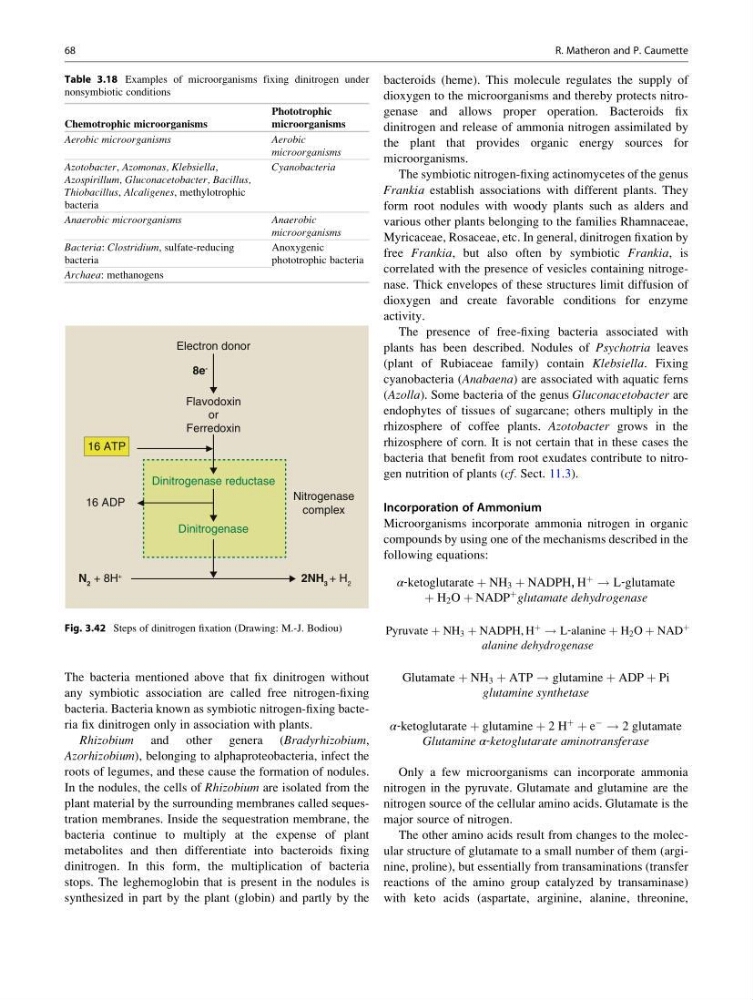
Fig. 3.42 Steps of dinitrogen fixation (Drawing: M.-J. Bodiou)
68
R. Matheron and P. Caumette
any symbiotic association are called free nitrogen-fixing
bacteria. Bacteria known as symbiotic nitrogen-fixing bacteria fix dinitrogen only in association with plants.
Rhizobium and other genera (Bradyrhizobium,
Azorhizobium), belonging to alphaproteobacteria, infect the
roots of legumes, and these cause the formation of nodules.
In the nodules, the cells of Rhizobium are isolated from the
plant material by the surrounding membranes called sequestration membranes. Inside the sequestration membrane, the
bacteria continue to multiply at the expense of plant
metabolites and then differentiate into bacteroids fixing
dinitrogen. In this form, the multiplication of bacteria
stops. The leghemoglobin that is present in the nodules is
synthesized in part by the plant (globin) and partly by the
bacteroids (heme). This molecule regulates the supply of
dioxygen to the microorganisms and thereby protects nitrogenase and allows proper operation. Bacteroids fix
dinitrogen and release of ammonia nitrogen assimilated by
the plant that provides organic energy sources for
microorganisms.
The symbiotic nitrogen-fixing actinomycetes of the genus
Frankia establish associations with different plants. They
form root nodules with woody plants such as alders and
various other plants belonging to the families Rhamnaceae,
Myricaceae, Rosaceae, etc. In general, dinitrogen fixation by
free Frankia, but also often by symbiotic Frankia, is
correlated with the presence of vesicles containing nitrogenase. Thick envelopes of these structures limit diffusion of
dioxygen and create favorable conditions for enzyme
activity.
The presence of free-fixing bacteria associated with
plants has been described. Nodules of Psychotria leaves
(plant of Rubiaceae family) contain Klebsiella. Fixing
cyanobacteria (Anabaena) are associated with aquatic ferns
(Azolla). Some bacteria of the genus Gluconacetobacter are
endophytes of tissues of sugarcane; others multiply in the
rhizosphere of coffee plants. Azotobacter grows in the
rhizosphere of corn. It is not certain that in these cases the
bacteria that benefit from root exudates contribute to nitrogen nutrition of plants (cf. Sect. 11.3).
Incorporation of Ammonium
Microorganisms incorporate ammonia nitrogen in organic
compounds by using one of the mechanisms described in the
following equations:
α‐ketoglutarate þ NH 3 þ NADPH, H
þ
! L‐glutamate
þ H 2 O þ NADP
þ glutamate dehydrogenase
Pyruvate þ NH 3 þ NADPH, H
þ
! L‐alanine þ H 2 O þ NAD
þ
alanine dehydrogenase
Glutamate þ NH 3 þ ATP ! glutamine þ ADP þ Pi
glutamine synthetase
α‐ketoglutarate þ glutamine þ 2 H
þ
þ e
À
! 2 glutamate
Glutamine α‐ketoglutarate aminotransferase
Only a few microorganisms can incorporate ammonia
nitrogen in the pyruvate. Glutamate and glutamine are the
nitrogen source of the cellular amino acids. Glutamate is the
major source of nitrogen.
The other amino acids result from changes to the molecular structure of glutamate to a small number of them (arginine, proline), but essentially from transaminations (transfer
reactions of the amino group catalyzed by transaminase)
with keto acids (aspartate, arginine, alanine, threonine,
Table 3.18 Examples of microorganisms fixing dinitrogen under
nonsymbiotic conditions
Chemotrophic microorganisms
Phototrophic
microorganisms
Aerobic microorganisms
Aerobic
microorganisms
Azotobacter, Azomonas, Klebsiella,
Azospirillum, Gluconacetobacter, Bacillus,
Thiobacillus, Alcaligenes, methylotrophic
bacteria
Cyanobacteria
Anaerobic microorganisms
Anaerobic
microorganisms
Bacteria: Clostridium, sulfate-reducing
bacteria
Anoxygenic
phototrophic bacteria
Archaea: methanogens
Electron donor
8e
-
Flavodoxin
or
Ferredoxin
16 ATP
16 ADP
Dinitrogenase reductase
Dinitrogenase
Nitrogenase
complex
N 2 + 8H
+
2NH 3 + H 2
Fig. 3.42 Steps of dinitrogen fixation (Drawing: M.-J. Bodiou)
68
R. Matheron and P. Caumette