

In natural environments, the most abundant organic
substances available to the microorganisms are
macromolecules or biopolymers (polysaccharides, proteins,
lipids, nucleic acids, etc.) that cannot penetrate into cells
through the cytoplasmic membranes. Most heterotrophic
microorganisms must excrete extracellular enzymes or
exoenzymes that divide the polymer into small molecules
(monomers) more easily transported inside the cells.
The exoenzymes are mainly hydrolases that degrade
polysaccharides
(amylases,
cellulases,
pectinases,
chitinases, xylanases, etc.), proteins (proteases), lipids
(lipases), and nucleic acids (nucleases).
Some macromolecules are not degraded by hydrolases.
This is, for example, the case of lignins that require the
presence of polyphenoloxidases.
Unlike these enzymes that are released in the environment as true exoenzymes, certain enzymes involved in degradation of polymers can be fixed on the cell surfaces.
Cellulolytic bacteria such as Clostridium and Bacteroides
synthesize large protrusions attached on their surface, called
cellulosomes. The cellulosomes are composed of multienzyme complexes containing endocellulases (enzymes
hydrolyzing the bonds within the polysaccharide chain),
xylanases, and other degradative enzymes. The attachment
of cellulosomes to cellulose fibers provides intimate contact
that allows the hydrolysis of the polymer.
Protozoa incorporate organic particles in their cells
(organic debris, bacteria) which they feed by endocytosis.
Monomers (amino acids, sugars) can also enter by endocytosis, by diffusion, or with the aid of carriers.
The hydrolysis of polysaccharides essentially provides
hexoses. Lipases hydrolyze lipids into glycerol and fatty
acids that penetrate the cells. During the β-oxidation, the
fatty acids are cut into acetyl-CoA molecules. Proteases
hydrolyze proteins into amino acids which are mostly
deaminated inside cells into their corresponding keto acids.
Nucleases hydrolyze nucleotides in nucleic acids that are
absorbed by the cells after dephosphorylation and then
degraded. All of these simple molecules resulting from
enzymatic activities become the metabolic precursors of
biosyntheses. They enter into the central metabolic
pathways* to produce the monomers required for the synthesis of cellular macromolecules.
3.4.3.1 Assimilation of C2 Compounds
Some heterotrophic microorganisms can grow on C2
compounds as sole carbon source. To assimilate acetate,
anaerobic bacteria activate the molecule in the form of
acetyl-CoA, and then a following carboxylation produces
pyruvate under reducing conditions. Aerobic microorganisms
assimilate acetyl-CoA through the glyoxylate cycle
(Fig. 3.40); other C2 compounds, glycine, glycolate, and oxalate, are first converted to glyoxylate and finally glycerate.
Other metabolic pathways have been described for acetate
assimilation such as citramalate cycle or acetoacetyl-CoA
pathway.
3.4.3.2 Central Metabolic Pathways and
Formation of the Carbon Skeleton
of the Main Monomers
The central metabolic pathways (Fig. 3.39) are common to
the vast majority of eukaryotic and prokaryotic
microorganisms. Four major pathways are involved:
1. The glycolysis
2. The neoglucogenesis
3. The tricarboxylic acid cycle (TCA) or Krebs cycle
4. The pentose phosphate cycle
The carbon skeletons of the main monomers originate
from metabolic intermediates of these pathways. The
biosyntheses of purines and pyrimidines are complex
reactions involving several sources of carbon and nitrogen.
Some steps of neoglucogenesis are nonreversible steps of
glycolysis. The conversion of pyruvate to phosphoenolpyruvate occurs in two steps: a step of carboxylation to oxaloacetate and a decarboxylation step of oxaloacetate to
phosphoenolpyruvate under the respective actions of a carboxylase and a carboxykinase with energy consumption
(Fig. 3.39). The direct phosphorylation of pyruvate to phosphoenolpyruvate was described in Gram-negative bacteria.
This reaction is catalyzed by phosphoenolpyruvate synthase
and requires two energy-rich phosphate bonds. Two other
steps of glycolysis are not reversible, dephosphorylation of
fructose 1,6-P and of glucose-6-P which depend on the
action of two specific phosphatases.
Biosynthesis pathways are less known in Archaea. The
reverse path of glycolysis works even if the degradation of
glucose does not always pass by this path. A complete cycle
of oxidative citric acid, involving the same enzymes of
bacteria, operates in aerobic archaea (archaeal halophiles,
2 x Fructose 6-P
3 X Formaldehyde
3 x Ribulose 5-P
3 x Hexulose 6-P
Dihydroxyacetone 3-P
R
Fructose 6-P
ATP
2 x Fructose 1,6-P
Glyceraldehyde 3-P
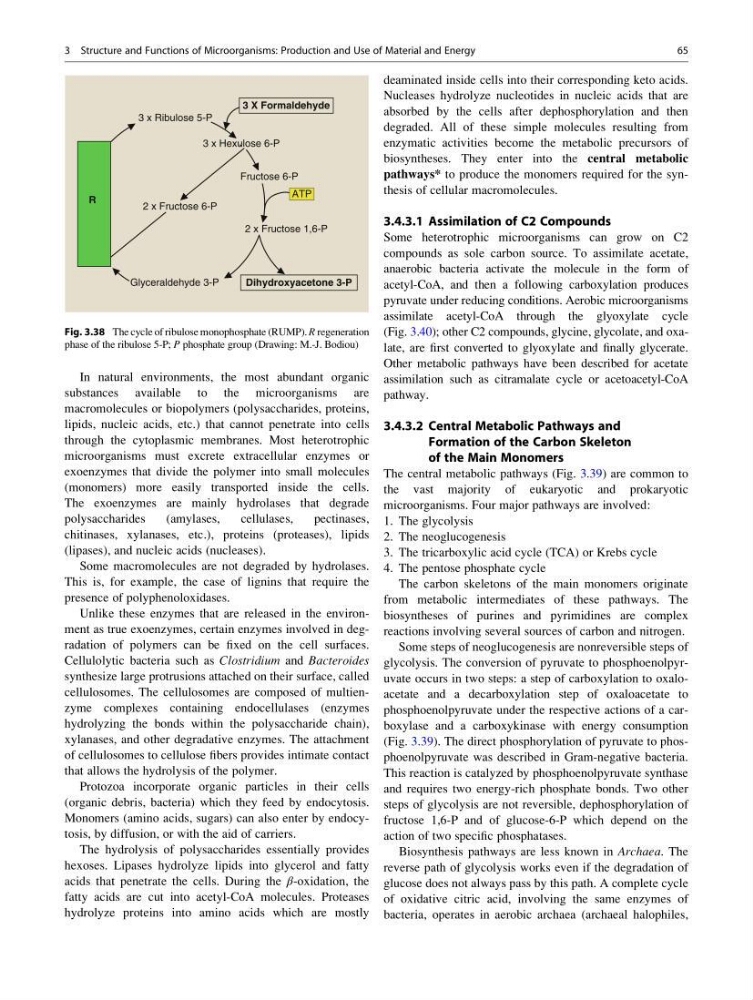
Fig. 3.38 The cycle of ribulose monophosphate (RUMP). R regeneration
phase of the ribulose 5-P; P phosphate group (Drawing: M.-J. Bodiou)
3 Structure and Functions of Microorganisms: Production and Use of Material and Energy
65
substances available to the microorganisms are
macromolecules or biopolymers (polysaccharides, proteins,
lipids, nucleic acids, etc.) that cannot penetrate into cells
through the cytoplasmic membranes. Most heterotrophic
microorganisms must excrete extracellular enzymes or
exoenzymes that divide the polymer into small molecules
(monomers) more easily transported inside the cells.
The exoenzymes are mainly hydrolases that degrade
polysaccharides
(amylases,
cellulases,
pectinases,
chitinases, xylanases, etc.), proteins (proteases), lipids
(lipases), and nucleic acids (nucleases).
Some macromolecules are not degraded by hydrolases.
This is, for example, the case of lignins that require the
presence of polyphenoloxidases.
Unlike these enzymes that are released in the environment as true exoenzymes, certain enzymes involved in degradation of polymers can be fixed on the cell surfaces.
Cellulolytic bacteria such as Clostridium and Bacteroides
synthesize large protrusions attached on their surface, called
cellulosomes. The cellulosomes are composed of multienzyme complexes containing endocellulases (enzymes
hydrolyzing the bonds within the polysaccharide chain),
xylanases, and other degradative enzymes. The attachment
of cellulosomes to cellulose fibers provides intimate contact
that allows the hydrolysis of the polymer.
Protozoa incorporate organic particles in their cells
(organic debris, bacteria) which they feed by endocytosis.
Monomers (amino acids, sugars) can also enter by endocytosis, by diffusion, or with the aid of carriers.
The hydrolysis of polysaccharides essentially provides
hexoses. Lipases hydrolyze lipids into glycerol and fatty
acids that penetrate the cells. During the β-oxidation, the
fatty acids are cut into acetyl-CoA molecules. Proteases
hydrolyze proteins into amino acids which are mostly
deaminated inside cells into their corresponding keto acids.
Nucleases hydrolyze nucleotides in nucleic acids that are
absorbed by the cells after dephosphorylation and then
degraded. All of these simple molecules resulting from
enzymatic activities become the metabolic precursors of
biosyntheses. They enter into the central metabolic
pathways* to produce the monomers required for the synthesis of cellular macromolecules.
3.4.3.1 Assimilation of C2 Compounds
Some heterotrophic microorganisms can grow on C2
compounds as sole carbon source. To assimilate acetate,
anaerobic bacteria activate the molecule in the form of
acetyl-CoA, and then a following carboxylation produces
pyruvate under reducing conditions. Aerobic microorganisms
assimilate acetyl-CoA through the glyoxylate cycle
(Fig. 3.40); other C2 compounds, glycine, glycolate, and oxalate, are first converted to glyoxylate and finally glycerate.
Other metabolic pathways have been described for acetate
assimilation such as citramalate cycle or acetoacetyl-CoA
pathway.
3.4.3.2 Central Metabolic Pathways and
Formation of the Carbon Skeleton
of the Main Monomers
The central metabolic pathways (Fig. 3.39) are common to
the vast majority of eukaryotic and prokaryotic
microorganisms. Four major pathways are involved:
1. The glycolysis
2. The neoglucogenesis
3. The tricarboxylic acid cycle (TCA) or Krebs cycle
4. The pentose phosphate cycle
The carbon skeletons of the main monomers originate
from metabolic intermediates of these pathways. The
biosyntheses of purines and pyrimidines are complex
reactions involving several sources of carbon and nitrogen.
Some steps of neoglucogenesis are nonreversible steps of
glycolysis. The conversion of pyruvate to phosphoenolpyruvate occurs in two steps: a step of carboxylation to oxaloacetate and a decarboxylation step of oxaloacetate to
phosphoenolpyruvate under the respective actions of a carboxylase and a carboxykinase with energy consumption
(Fig. 3.39). The direct phosphorylation of pyruvate to phosphoenolpyruvate was described in Gram-negative bacteria.
This reaction is catalyzed by phosphoenolpyruvate synthase
and requires two energy-rich phosphate bonds. Two other
steps of glycolysis are not reversible, dephosphorylation of
fructose 1,6-P and of glucose-6-P which depend on the
action of two specific phosphatases.
Biosynthesis pathways are less known in Archaea. The
reverse path of glycolysis works even if the degradation of
glucose does not always pass by this path. A complete cycle
of oxidative citric acid, involving the same enzymes of
bacteria, operates in aerobic archaea (archaeal halophiles,
2 x Fructose 6-P
3 X Formaldehyde
3 x Ribulose 5-P
3 x Hexulose 6-P
Dihydroxyacetone 3-P
R
Fructose 6-P
ATP
2 x Fructose 1,6-P
Glyceraldehyde 3-P
Fig. 3.38 The cycle of ribulose monophosphate (RUMP). R regeneration
phase of the ribulose 5-P; P phosphate group (Drawing: M.-J. Bodiou)
3 Structure and Functions of Microorganisms: Production and Use of Material and Energy
65