

3.3.3.1 Dihydrogen Production by Fermentations
Many fermentation processes produce dihydrogen to maintain their redox balance. Hydrogenase or a formate hydrogen
lyase catalyzes the formation of dihydrogen:
Pyruvate ! e
À
! ferredoxin ! 2H
þ
! H 2 hydrogenase
ð
Þ
Formate ! CO 2 þ H 2 formate hydrogen lyase
ð
Þ
NADH, H
þ
! e
À
! ferredoxin ! 2H
þ
! H 2 hydrogenase
ð
Þ
The third reaction thermodynamically unfavorable can
take place only during interspecies dihydrogen transfer.
3.3.3.2 Mechanism of Energy Conservation
ATP is synthesized by substrate-level phosphorylation. For
the same substrate, the fermentation is much less efficient
than respiration. For example, for one mole of glucose,
respiration in yeast produces 2,872 kJ and alcoholic fermentation only 236 kJ:
C 6 H 12 O6 þ 6O 2 ! 6CO 2 þ 6H 2 O ΔG
0 ¼ À2, 872 kJ:mole
À1
C 6 H 12 O6 ! 2C 2 H 6 O þ 2CO 2
ΔG
0 ¼ À236 kJ:mole
À1
With a free energy of À236 kJ per mole of glucose
fermented, several moles of ATP should be produced. In fact,
the alcoholic fermentation releases only two moles of ATP.
This low efficiency, which characterizes all fermentations,
obliges the fermentative microorganisms to degrade large
amounts of substrate and thus produce large quantities
of products used in biotechnology.
Among the many reactions of substrate-level phosphorylation, three are frequent during the fermentation of
carbohydrates:
1, 3 À diphosphoglycerate þ ADP ! 3 À phosphoglycerate þ ATP
Phosphoenolpyruvate þ ADP ! pyruvate þ ATP
Acetyl phosphate þ ADP ! acetate þ ATP
In addition to phosphorylation at the substrate level, there
are, in some fermentative bacteria, other mechanisms of
energy conservation:
1. During the propionic fermentation by Propionibacterium,
in addition to the phosphorylation at the substrate level,
the bacterium uses the formation of membrane gradients
of H
+ and Na
+ (proton- and sodium-motive forces). The
fermentative pathway is complex and involves the formation of C4 dicarboxylic acids, leading to the reduction of
fumarate to succinate via a chain of electron carriers. This
transfer is coupled to proton translocation. Then the succinate is decarboxylated under the action of a membrane
decarboxylase resulting in Na
+ excretion.
2. During the malolactic fermentation, malate enters into the
cell as a di-anion via a permease which exchanges it with a
lactate mono-anion. This ionic imbalance which is equivalent to an output of H
+ generates a proton-motive force.
ATP
Energy sources = organic compounds
ADP + Pi
ATP
Oxidized organic
compound
(Oxidized terminal
electron acceptor)
Reduced terminal
electron acceptor
e
-
e
-
NAD
+
NADH,H
+
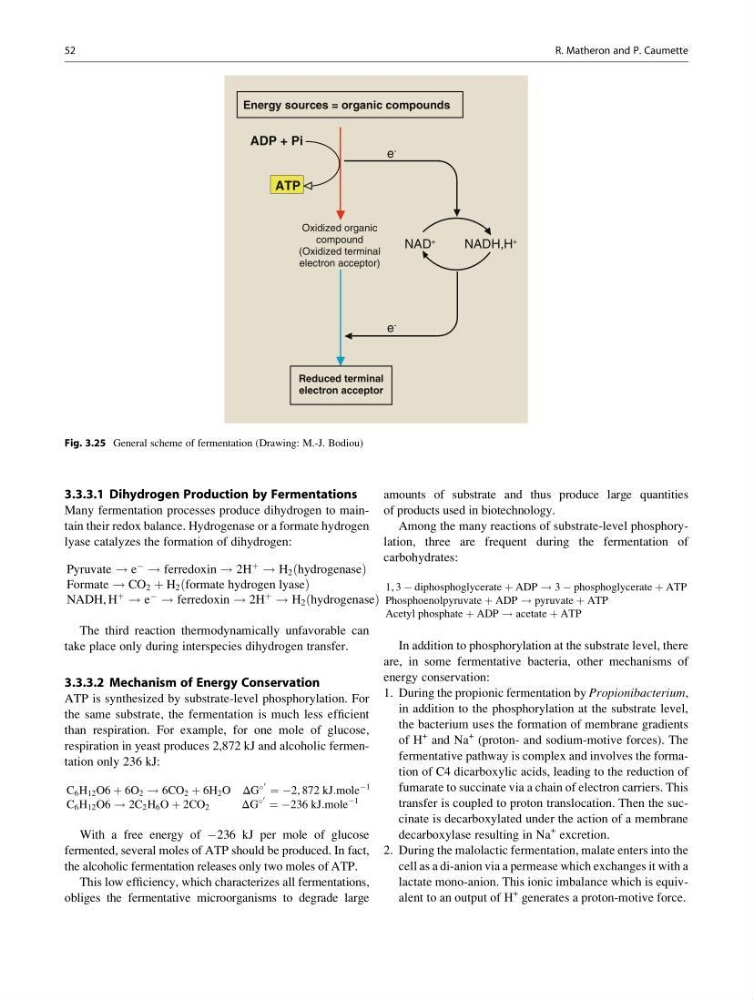
Fig. 3.25 General scheme of fermentation (Drawing: M.-J. Bodiou)
52
R. Matheron and P. Caumette
Many fermentation processes produce dihydrogen to maintain their redox balance. Hydrogenase or a formate hydrogen
lyase catalyzes the formation of dihydrogen:
Pyruvate ! e
À
! ferredoxin ! 2H
þ
! H 2 hydrogenase
ð
Þ
Formate ! CO 2 þ H 2 formate hydrogen lyase
ð
Þ
NADH, H
þ
! e
À
! ferredoxin ! 2H
þ
! H 2 hydrogenase
ð
Þ
The third reaction thermodynamically unfavorable can
take place only during interspecies dihydrogen transfer.
3.3.3.2 Mechanism of Energy Conservation
ATP is synthesized by substrate-level phosphorylation. For
the same substrate, the fermentation is much less efficient
than respiration. For example, for one mole of glucose,
respiration in yeast produces 2,872 kJ and alcoholic fermentation only 236 kJ:
C 6 H 12 O6 þ 6O 2 ! 6CO 2 þ 6H 2 O ΔG
0 ¼ À2, 872 kJ:mole
À1
C 6 H 12 O6 ! 2C 2 H 6 O þ 2CO 2
ΔG
0 ¼ À236 kJ:mole
À1
With a free energy of À236 kJ per mole of glucose
fermented, several moles of ATP should be produced. In fact,
the alcoholic fermentation releases only two moles of ATP.
This low efficiency, which characterizes all fermentations,
obliges the fermentative microorganisms to degrade large
amounts of substrate and thus produce large quantities
of products used in biotechnology.
Among the many reactions of substrate-level phosphorylation, three are frequent during the fermentation of
carbohydrates:
1, 3 À diphosphoglycerate þ ADP ! 3 À phosphoglycerate þ ATP
Phosphoenolpyruvate þ ADP ! pyruvate þ ATP
Acetyl phosphate þ ADP ! acetate þ ATP
In addition to phosphorylation at the substrate level, there
are, in some fermentative bacteria, other mechanisms of
energy conservation:
1. During the propionic fermentation by Propionibacterium,
in addition to the phosphorylation at the substrate level,
the bacterium uses the formation of membrane gradients
of H
+ and Na
+ (proton- and sodium-motive forces). The
fermentative pathway is complex and involves the formation of C4 dicarboxylic acids, leading to the reduction of
fumarate to succinate via a chain of electron carriers. This
transfer is coupled to proton translocation. Then the succinate is decarboxylated under the action of a membrane
decarboxylase resulting in Na
+ excretion.
2. During the malolactic fermentation, malate enters into the
cell as a di-anion via a permease which exchanges it with a
lactate mono-anion. This ionic imbalance which is equivalent to an output of H
+ generates a proton-motive force.
ATP
Energy sources = organic compounds
ADP + Pi
ATP
Oxidized organic
compound
(Oxidized terminal
electron acceptor)
Reduced terminal
electron acceptor
e
-
e
-
NAD
+
NADH,H
+
Fig. 3.25 General scheme of fermentation (Drawing: M.-J. Bodiou)
52
R. Matheron and P. Caumette