

nitrate reductase is a soluble enzyme known as Type Bnitrate reductase (assimilatory nitrate reductase, NAS
Table 14.6), which is inhibited by chlorate and the presence
ammonium.
14.3.2.3 Nitrogen (N 2 ) Fixation
The fixation of dinitrogen (N 2 ), which relies on several
mechanisms, is done by free-living micro-organisms for by
microorganisms living in symbiosis with certain plants (cf.
Sect. 3.4.4).
The N 2 fixation process was discovered in 1880.
Organisms capable of N 2 fixation, called diazotrophs, are
all prokaryotes (Bacteria and Archaea) and are phylogenetically very diverse (Figs. 14.27a, b). Indeed, diazotrophs
may belong to groups as diverse as proteobacteria, Grampositive bacteria, cyanobacteria, or Archaea. Cyanobacteria
have long been considered the main N 2 fixers in the open
ocean and in many marine ecosystems. However, the importance of other diazotrophic groups such as gamma and
deltaproteobacteria has been demonstrated. These
microorganisms are diverse in terms of phylogeny but also
of metabolism. Indeed, multiple sources of carbon and
energy can be used by diazotrophs, which can be autotrophic
or heterotrophic, phototrophic (anoxygenic photosynthetic
cyanobacteria or bacteria), or chemotrophic.
The high diversity of these organisms allows them to
colonize various environments such as the open ocean, the
deep ocean, microbial mats, soils, digestive tracks of some
invertebrates, or to live in symbiosis with some legumes.
Bacteria in the family Rhizobiaceae, primarily those in the
genus Rhizobium, can infect the roots of legumes resulting in
the formation of nodules (cf. Sect. 11.3). The nodules of the
host plant offer a micro-habitat that is exceptionally favorable
to the bacteria, by providing carbon substrates from photosynthesis. In the nodules, bacteria fix dinitrogen and provide
the host plant with labile nitrogen in the form of ammonia
(NH 3 ). This beneficial association between legume and bacteria, known as mutualistic symbiosis, allows the fixation of
atmospheric nitrogen by symbiotic plants, estimated between
300 and 400 kg of dinitrogen per hectare and per year.
Despite their high diversity, all diazotrophs use a similar
enzymatic complex to fix dinitrogen, consisting of two cytoplasmic metallo-enzymes: dinitrogenase and dinitrogenase
Dinitrogen
NO 3
NO 2
NO
N 2 O
N 2
NH 4
+
+5 Nitrate
+3 Nitrite
+2
+1
0
-3 Ammonium
Organic nitrogen
-3
NH 2 -R
Nitric oxide
Nitrous oxide
-
-
Nitrate
Nitrite
Ammonium
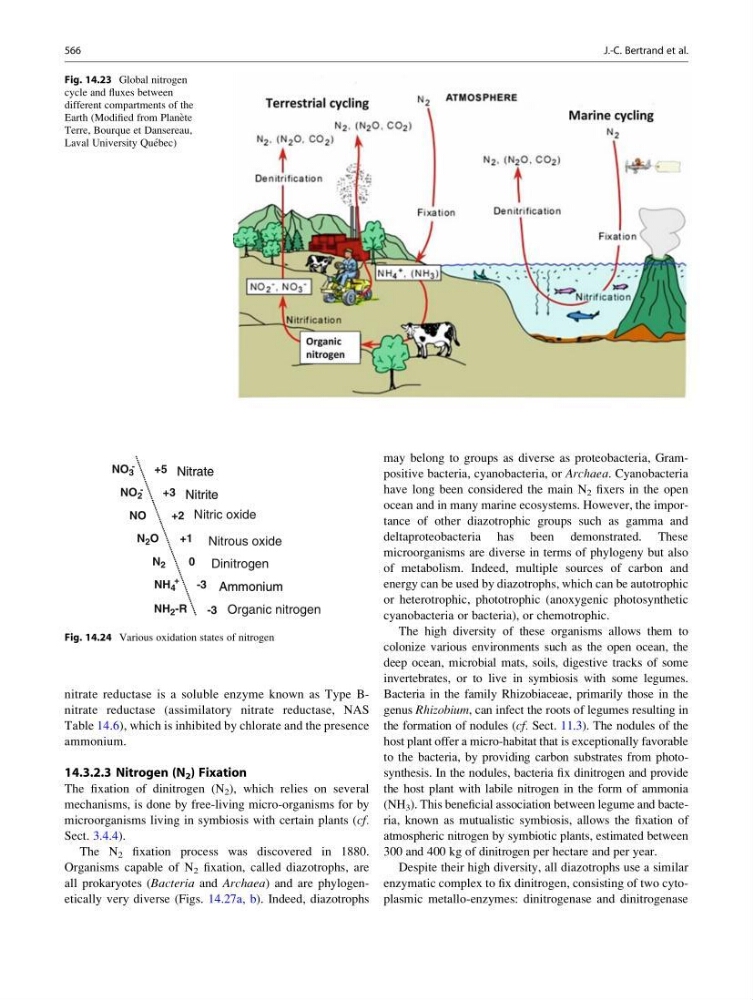
Fig. 14.24 Various oxidation states of nitrogen
Fig. 14.23 Global nitrogen
cycle and fluxes between
different compartments of the
Earth (Modified from Plane `te
Terre, Bourque et Dansereau,
Laval University Que ´bec)
566
J.-C. Bertrand et al.