

They can originate from aerobic or anaerobic degradation of
organic matter or geochemical and biogeochemical processes
(cf. Chap. 14).
The reduced nitrogen compounds are used by nitrifying
bacteria that form a heterogeneous group including various
genera and species all highly specialized in nitrification.
Two large groups can be distinguished based on the
reduced nitrogen compounds used by nitrifying bacteria:
the group of ammonia-oxidizing bacteria that oxidize
ammonia to nitrite (Nitrosomonas, Nitrosococcus, etc.)
and the group of nitrite-oxidizing bacteria that oxidize
nitrite to nitrate (Nitrobacter, Nitrospira, etc.). Most of
these microorganisms are chemolithoautotrophs with
the exception of some mixotrophs such as Nitrobacter
that can use acetate as carbon source. In the absence of
dioxygen or in dioxygen-limiting conditions, Nitrosomonas
europaea can express a denitrifying activity. It was shown
that ammonia-oxidizing archaea were abundant in natural
environments.
Reduced sulfur compounds, mainly sulfide (S
2À
or
HS
À or H 2 S), elemental sulfur (S
), thiosulfate (S 2 O 3
2À ),
Energy sources = Reduced
inorganic compounds
( SO 4
2- , NO 3
-
, etc. )
Oxidized inorganic compounds
Oxidation
O 2
Terminal
electron
acceptor
ELECTRON FLOW
via the respiratory chain
Δ
ATP
( S
2- , NH 4
+ , etc. )
p
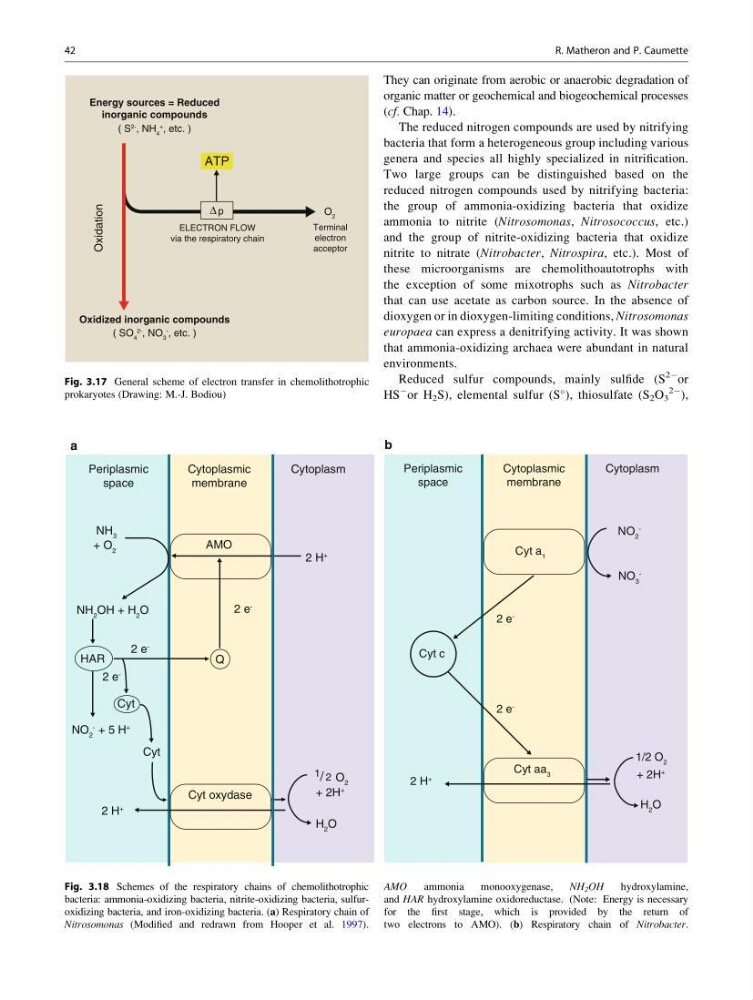
Fig. 3.17 General scheme of electron transfer in chemolithotrophic
prokaryotes (Drawing: M.-J. Bodiou)
AMO
2 e
-
2 e
-
2 e
-
Periplasmic
space
Cytoplasm
NH 3
+ O 2
NH 2 OH + H 2 O
2 H
+
2 H
+
HAR
Q
Cyt
Cyt
NO 2
- + 5 H
+
H 2 O
O 2
1 2
/
Cyt oxydase
Cytoplasmic
membrane
+ 2H
+
a
Cyt aa 3
NO 2
-
NO 3
-
Cyt c
1/2 O 2
b
Cyt a 1
2 H
+
H 2 O
+ 2H
+
2 e
-
2 e
-
Periplasmic
space
Cytoplasm
Cytoplasmic
membrane
Fig. 3.18 Schemes of the respiratory chains of chemolithotrophic
bacteria: ammonia-oxidizing bacteria, nitrite-oxidizing bacteria, sulfuroxidizing bacteria, and iron-oxidizing bacteria. (a) Respiratory chain of
Nitrosomonas (Modified and redrawn from Hooper et al. 1997).
AMO
ammonia
monooxygenase,
NH 2 OH
hydroxylamine,
and HAR hydroxylamine oxidoreductase. (Note: Energy is necessary
for the first stage, which is provided by the return of
two electrons to AMO). (b) Respiratory chain of Nitrobacter.
42
R. Matheron and P. Caumette
organic matter or geochemical and biogeochemical processes
(cf. Chap. 14).
The reduced nitrogen compounds are used by nitrifying
bacteria that form a heterogeneous group including various
genera and species all highly specialized in nitrification.
Two large groups can be distinguished based on the
reduced nitrogen compounds used by nitrifying bacteria:
the group of ammonia-oxidizing bacteria that oxidize
ammonia to nitrite (Nitrosomonas, Nitrosococcus, etc.)
and the group of nitrite-oxidizing bacteria that oxidize
nitrite to nitrate (Nitrobacter, Nitrospira, etc.). Most of
these microorganisms are chemolithoautotrophs with
the exception of some mixotrophs such as Nitrobacter
that can use acetate as carbon source. In the absence of
dioxygen or in dioxygen-limiting conditions, Nitrosomonas
europaea can express a denitrifying activity. It was shown
that ammonia-oxidizing archaea were abundant in natural
environments.
Reduced sulfur compounds, mainly sulfide (S
2À
or
HS
À or H 2 S), elemental sulfur (S
), thiosulfate (S 2 O 3
2À ),
Energy sources = Reduced
inorganic compounds
( SO 4
2- , NO 3
-
, etc. )
Oxidized inorganic compounds
Oxidation
O 2
Terminal
electron
acceptor
ELECTRON FLOW
via the respiratory chain
Δ
ATP
( S
2- , NH 4
+ , etc. )
p
Fig. 3.17 General scheme of electron transfer in chemolithotrophic
prokaryotes (Drawing: M.-J. Bodiou)
AMO
2 e
-
2 e
-
2 e
-
Periplasmic
space
Cytoplasm
NH 3
+ O 2
NH 2 OH + H 2 O
2 H
+
2 H
+
HAR
Q
Cyt
Cyt
NO 2
- + 5 H
+
H 2 O
O 2
1 2
/
Cyt oxydase
Cytoplasmic
membrane
+ 2H
+
a
Cyt aa 3
NO 2
-
NO 3
-
Cyt c
1/2 O 2
b
Cyt a 1
2 H
+
H 2 O
+ 2H
+
2 e
-
2 e
-
Periplasmic
space
Cytoplasm
Cytoplasmic
membrane
Fig. 3.18 Schemes of the respiratory chains of chemolithotrophic
bacteria: ammonia-oxidizing bacteria, nitrite-oxidizing bacteria, sulfuroxidizing bacteria, and iron-oxidizing bacteria. (a) Respiratory chain of
Nitrosomonas (Modified and redrawn from Hooper et al. 1997).
AMO
ammonia
monooxygenase,
NH 2 OH
hydroxylamine,
and HAR hydroxylamine oxidoreductase. (Note: Energy is necessary
for the first stage, which is provided by the return of
two electrons to AMO). (b) Respiratory chain of Nitrobacter.
42
R. Matheron and P. Caumette