

disruption in the global carbon cycle, with major
consequences such as enhanced greenhouse effect, and a
large-scale change in the climate system of the Earth and
in the global ocean chemistry.
14.2.2 The Global Carbon Cycle
14.2.2.1 The Major Reservoirs
The carbon cycle of the 1990s is shown in Fig. 14.5. The
CO 2 content of the atmosphere (0.0368 % or 368 ppm) is
very low compared with that of nitrogen (78 %) and oxygen
(21 %). The size of this reservoir is about 762 Pg C
(1 Pg ¼ 1 petagram carbon ¼ 10
15 g). The atmosphere
also contains methane (CH 4 : ~1.7 ppm) and carbon monoxide (CO: 0.1 ppm) as trace gases. Carbon is present in both
organic and inorganic forms in continental and oceanic
reservoirs. Oceanic inorganic carbon is involved in the carbon cycle at a short time scale (years to a few hundred
years), whereas the continental inorganic carbon is involved
at a longer time scale (millions of years).
The continental reservoir of biomass is about 2,261 Pg C,
which is divided into 550 Pg C for vegetation and 1,711 Pg C
for soils and detritus. The terrestrial vegetation thus contains
less carbon than the atmosphere (550 versus 762 Pg C),
while the first meter of soil contains 2–3 times more carbon
(1,500–2,000 Pg C) than the atmosphere. Half of these two
sub-reservoirs of organic carbon is in dense forests then, by
decreasing order of importance, in open forests, grasslands,
tundra, wetlands, and agricultural ecosystems as well.
Almost all terrestrial living carbon is in plants; animals
(including the Human species) only represent 0.1 % of this
carbon.
The oceans contain 37,000 Pg of inorganic carbon
and 1,000 Pg of organic carbon, i.e., 50 times more
than the atmosphere and 70 times more than the
terrestrial vegetation. The vast majority of carbon is
found in the mesopelagic and bathypelagic ocean. The
sediment contains 6,000 Pg C, with a very slow renewal
(“turnover”) time.
The chemistry of inorganic carbon in seawater is more
complex than that of oxygen or that of CO 2 in the
OXIC ZONE
ANOXIC ZONE
Organic Carbon
via
food webs
CH 4
CO 2
CO 2
1
2
3
4
5
6
7
8
Oxidation
Reduction
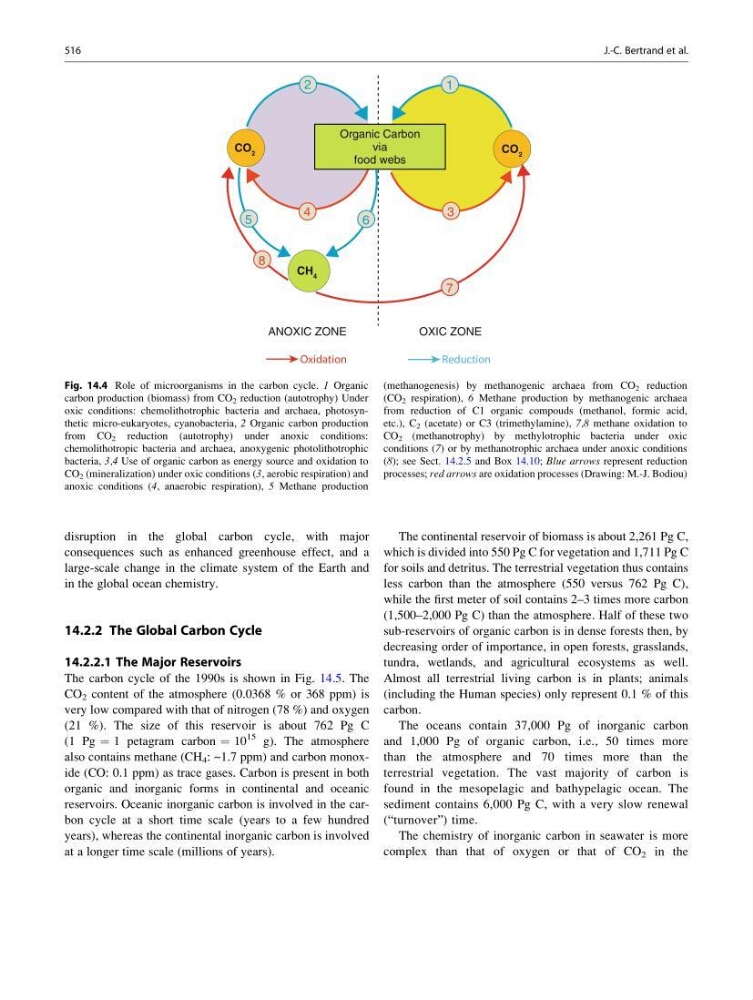
Fig. 14.4 Role of microorganisms in the carbon cycle. 1 Organic
carbon production (biomass) from CO 2 reduction (autotrophy) Under
oxic conditions: chemolithotrophic bacteria and archaea, photosynthetic micro-eukaryotes, cyanobacteria, 2 Organic carbon production
from CO 2 reduction (autotrophy) under anoxic conditions:
chemolithotropic bacteria and archaea, anoxygenic photolithotrophic
bacteria, 3,4 Use of organic carbon as energy source and oxidation to
CO 2 (mineralization) under oxic conditions (3, aerobic respiration) and
anoxic conditions (4, anaerobic respiration), 5 Methane production
(methanogenesis) by methanogenic archaea from CO 2 reduction
(CO 2 respiration), 6 Methane production by methanogenic archaea
from reduction of C1 organic compouds (methanol, formic acid,
etc.), C 2 (acetate) or C3 (trimethylamine), 7,8 methane oxidation to
CO 2 (methanotrophy) by methylotrophic bacteria under oxic
conditions (7) or by methanotrophic archaea under anoxic conditions
(8); see Sect. 14.2.5 and Box 14.10; Blue arrows represent reduction
processes; red arrows are oxidation processes (Drawing: M.-J. Bodiou)
516
J.-C. Bertrand et al.
consequences such as enhanced greenhouse effect, and a
large-scale change in the climate system of the Earth and
in the global ocean chemistry.
14.2.2 The Global Carbon Cycle
14.2.2.1 The Major Reservoirs
The carbon cycle of the 1990s is shown in Fig. 14.5. The
CO 2 content of the atmosphere (0.0368 % or 368 ppm) is
very low compared with that of nitrogen (78 %) and oxygen
(21 %). The size of this reservoir is about 762 Pg C
(1 Pg ¼ 1 petagram carbon ¼ 10
15 g). The atmosphere
also contains methane (CH 4 : ~1.7 ppm) and carbon monoxide (CO: 0.1 ppm) as trace gases. Carbon is present in both
organic and inorganic forms in continental and oceanic
reservoirs. Oceanic inorganic carbon is involved in the carbon cycle at a short time scale (years to a few hundred
years), whereas the continental inorganic carbon is involved
at a longer time scale (millions of years).
The continental reservoir of biomass is about 2,261 Pg C,
which is divided into 550 Pg C for vegetation and 1,711 Pg C
for soils and detritus. The terrestrial vegetation thus contains
less carbon than the atmosphere (550 versus 762 Pg C),
while the first meter of soil contains 2–3 times more carbon
(1,500–2,000 Pg C) than the atmosphere. Half of these two
sub-reservoirs of organic carbon is in dense forests then, by
decreasing order of importance, in open forests, grasslands,
tundra, wetlands, and agricultural ecosystems as well.
Almost all terrestrial living carbon is in plants; animals
(including the Human species) only represent 0.1 % of this
carbon.
The oceans contain 37,000 Pg of inorganic carbon
and 1,000 Pg of organic carbon, i.e., 50 times more
than the atmosphere and 70 times more than the
terrestrial vegetation. The vast majority of carbon is
found in the mesopelagic and bathypelagic ocean. The
sediment contains 6,000 Pg C, with a very slow renewal
(“turnover”) time.
The chemistry of inorganic carbon in seawater is more
complex than that of oxygen or that of CO 2 in the
OXIC ZONE
ANOXIC ZONE
Organic Carbon
via
food webs
CH 4
CO 2
CO 2
1
2
3
4
5
6
7
8
Oxidation
Reduction
Fig. 14.4 Role of microorganisms in the carbon cycle. 1 Organic
carbon production (biomass) from CO 2 reduction (autotrophy) Under
oxic conditions: chemolithotrophic bacteria and archaea, photosynthetic micro-eukaryotes, cyanobacteria, 2 Organic carbon production
from CO 2 reduction (autotrophy) under anoxic conditions:
chemolithotropic bacteria and archaea, anoxygenic photolithotrophic
bacteria, 3,4 Use of organic carbon as energy source and oxidation to
CO 2 (mineralization) under oxic conditions (3, aerobic respiration) and
anoxic conditions (4, anaerobic respiration), 5 Methane production
(methanogenesis) by methanogenic archaea from CO 2 reduction
(CO 2 respiration), 6 Methane production by methanogenic archaea
from reduction of C1 organic compouds (methanol, formic acid,
etc.), C 2 (acetate) or C3 (trimethylamine), 7,8 methane oxidation to
CO 2 (methanotrophy) by methylotrophic bacteria under oxic
conditions (7) or by methanotrophic archaea under anoxic conditions
(8); see Sect. 14.2.5 and Box 14.10; Blue arrows represent reduction
processes; red arrows are oxidation processes (Drawing: M.-J. Bodiou)
516
J.-C. Bertrand et al.