

use other forms of nitrogen (nitrate, nitrite, nitrous) convert
them first into ammonium, which is costly in energy terms.
Ammonium is then converted into amino acids primarily by
two enzymes, glutamine synthetase (GS) and glutamine: 2oxoglutarate aminotransferase (GOGAT), which produce
glutamate and glutamine. Ammonium deficiency in the bacterial cell leads to a rapid, proportionate, and multicomponent response, in order to maintain a level of NH4
+
compatible with the maintenance of cellular functions. The
perception of abundance is made through a protein called
GlnB or PII nitrogen regulator. The protein is covalently
modified by uridylic tyrosyl residues located on the outer
part of the protein (Fig. 9.15).
The GlnB protein perceives the amount of intracellular
alpha-ketoglutarate, which is an intermediary metabolite of
the Krebs cycle and also a nitrogen-free acceptor used in
the assimilation of ammonium by the proteins glutamine
synthetase (GS) and GOGAT. The protein GlnB also senses
the amount of intracellular glutamine, an amino acid rich in
nitrogen, and most importantly is also the reaction product of
GS after transfer of ammonium to glutamate.
The first role of the regulatory protein GlnB is to control
the level of GS adenylation of the protein, a double hexamer,
which can contain from 0 to 12 adenylate residues and thus
be more or less active in the transformation of glutamate
and ammonium into glutamine. Other roles of GlnB are to
control the level of transcription of several genes and the
level of activation of several proteins (PipX, NAGK kinase,
AmtB, AmtR, Drat, DraG, NifL, NifA, Atase, TnrA, etc.) all
involved in the acquisition of ammonium directly or
indirectly.
9.2.3 Translational Regulation
Transcription is the step most often used to regulate gene
expression in bacteria; however, the response includes the
conversion of DNA into RNA and then translation into
protein which are both time consuming. Some functions
that require a faster response are under the control of an
RNA transcript that is not translated before the environmental stimulus. This is the case of cold-shock proteins
a
b
Periplasm
Cytoplasm
DGC
PDE
DGC
PDE
Low (weak) [di-cGMP]
High [ di-cGMP]
Biofilm
Small intestine
OUTER ENVIRONMENT
HUMAN DIGESTIVE TRACT
HTH EAL REC
HTH
EAL
REC
HTH
EAL
REC
HTH
EAL
REC
HTH
EAL
REC
HTH
EAL
REC
HTH
EAL
REC
VieS
VieS
P
P
VieS
VieA
VieB
di-cGMP
2 GMP
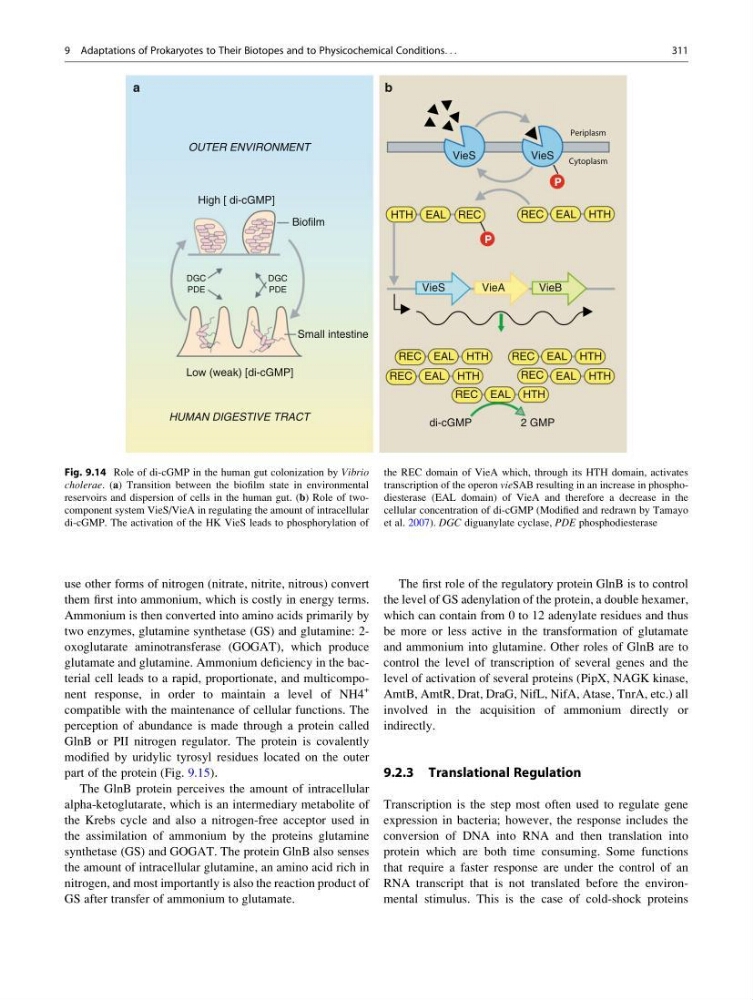
Fig. 9.14 Role of di-cGMP in the human gut colonization by Vibrio
cholerae. (a) Transition between the biofilm state in environmental
reservoirs and dispersion of cells in the human gut. (b) Role of twocomponent system VieS/VieA in regulating the amount of intracellular
di-cGMP. The activation of the HK VieS leads to phosphorylation of
the REC domain of VieA which, through its HTH domain, activates
transcription of the operon vieSAB resulting in an increase in phosphodiesterase (EAL domain) of VieA and therefore a decrease in the
cellular concentration of di-cGMP (Modified and redrawn by Tamayo
et al. 2007). DGC diguanylate cyclase, PDE phosphodiesterase
9 Adaptations of Prokaryotes to Their Biotopes and to Physicochemical Conditions. . .
311
them first into ammonium, which is costly in energy terms.
Ammonium is then converted into amino acids primarily by
two enzymes, glutamine synthetase (GS) and glutamine: 2oxoglutarate aminotransferase (GOGAT), which produce
glutamate and glutamine. Ammonium deficiency in the bacterial cell leads to a rapid, proportionate, and multicomponent response, in order to maintain a level of NH4
+
compatible with the maintenance of cellular functions. The
perception of abundance is made through a protein called
GlnB or PII nitrogen regulator. The protein is covalently
modified by uridylic tyrosyl residues located on the outer
part of the protein (Fig. 9.15).
The GlnB protein perceives the amount of intracellular
alpha-ketoglutarate, which is an intermediary metabolite of
the Krebs cycle and also a nitrogen-free acceptor used in
the assimilation of ammonium by the proteins glutamine
synthetase (GS) and GOGAT. The protein GlnB also senses
the amount of intracellular glutamine, an amino acid rich in
nitrogen, and most importantly is also the reaction product of
GS after transfer of ammonium to glutamate.
The first role of the regulatory protein GlnB is to control
the level of GS adenylation of the protein, a double hexamer,
which can contain from 0 to 12 adenylate residues and thus
be more or less active in the transformation of glutamate
and ammonium into glutamine. Other roles of GlnB are to
control the level of transcription of several genes and the
level of activation of several proteins (PipX, NAGK kinase,
AmtB, AmtR, Drat, DraG, NifL, NifA, Atase, TnrA, etc.) all
involved in the acquisition of ammonium directly or
indirectly.
9.2.3 Translational Regulation
Transcription is the step most often used to regulate gene
expression in bacteria; however, the response includes the
conversion of DNA into RNA and then translation into
protein which are both time consuming. Some functions
that require a faster response are under the control of an
RNA transcript that is not translated before the environmental stimulus. This is the case of cold-shock proteins
a
b
Periplasm
Cytoplasm
DGC
PDE
DGC
PDE
Low (weak) [di-cGMP]
High [ di-cGMP]
Biofilm
Small intestine
OUTER ENVIRONMENT
HUMAN DIGESTIVE TRACT
HTH EAL REC
HTH
EAL
REC
HTH
EAL
REC
HTH
EAL
REC
HTH
EAL
REC
HTH
EAL
REC
HTH
EAL
REC
VieS
VieS
P
P
VieS
VieA
VieB
di-cGMP
2 GMP
Fig. 9.14 Role of di-cGMP in the human gut colonization by Vibrio
cholerae. (a) Transition between the biofilm state in environmental
reservoirs and dispersion of cells in the human gut. (b) Role of twocomponent system VieS/VieA in regulating the amount of intracellular
di-cGMP. The activation of the HK VieS leads to phosphorylation of
the REC domain of VieA which, through its HTH domain, activates
transcription of the operon vieSAB resulting in an increase in phosphodiesterase (EAL domain) of VieA and therefore a decrease in the
cellular concentration of di-cGMP (Modified and redrawn by Tamayo
et al. 2007). DGC diguanylate cyclase, PDE phosphodiesterase
9 Adaptations of Prokaryotes to Their Biotopes and to Physicochemical Conditions. . .
311