

were performed in V. cholerae. Overexpression of a DGC,
VCA0956, abolished swimming, while expression of a
PDEA, VieA (Fig. 9.13) greatly increased it (Tischler
and Camilli 2005). Transcriptome analysis of V. cholerae
following an increase in the concentration of intracellular
di-cGMP clearly shows a repression of genes involved in the
biosynthesis of flagella, motility, and chemotaxis (Beyhan
et al. 2006).
Another process regulated by the di-cGMP is the production of exopolysaccharides, especially those involved in
biofilm formation. In V. cholerae, the enzymes of the
biosynthetic exopolysaccharide pathway (VPS) are encoded
by two operons under the control of two transcriptional
activators, VpsR and VpsT. A mutation in the gene for
PDEA, VieA is sufficient to cause a significant increase in
vps genes transcription and biofilm formation (Tischler and
Camilli 2005). Work on the El Tor biotype, which is responsible for several recent cholera outbreaks, shows that
overexpression of the DGC, VCA0956, increased biofilm
formation and, conversely, overexpression of the PDEA,
VieA prevented biofilm development. The regulation of the
biosynthesis of VPS by di-cGMP is achieved through transcriptional activation of vpsR and vpsT (Beyhan et al. 2006).
P. aeruginosa also uses di-cGMP to regulate biofilm
formation, which in this organism involves multiple aspects
such as the synthesis of exopolysaccharides, chemotaxis,
quorum sensing (cf. Sect. 9.3), and twitching mobility
(cf. Sect. 9.7.2). An analysis of the different phenotypes
associated with mutations in the 39 genes encoding proteins
with GGDEF and EAL domains shows a strong correlation
between a high intracellular concentration of di-cGMP and a
high production of biofilm (Kulasakara et al. 2006).
In Yersinia pestis, a DGC, HmsT (Fig. 9.13) and a PDEA,
HmsP control biofilm formation (Kirillina et al. 2004), while
in Salmonella typhimurium, Adra and YhjH control the
biosynthesis of cellulose (Simm et al. 2004).
CheA
P
HAMP
MA
TarH
ase
HATP
HPT
CheW
Tar
N1
N2
C1
C2
CheR
CheB
(NWETF)
Sensor
Cytoplasmic
membrane
HAMP
Domain
Methylation
sites
MA Domain
[
[
[
[
[
Fixation
and
contact site
ATP
ADP
Tar
CheA
CheB
CheY
CheW
a
b
P1
P2
P3
P4
P5
P1
P1
P2
P2
P3
P3
P4
P4
P5
P5
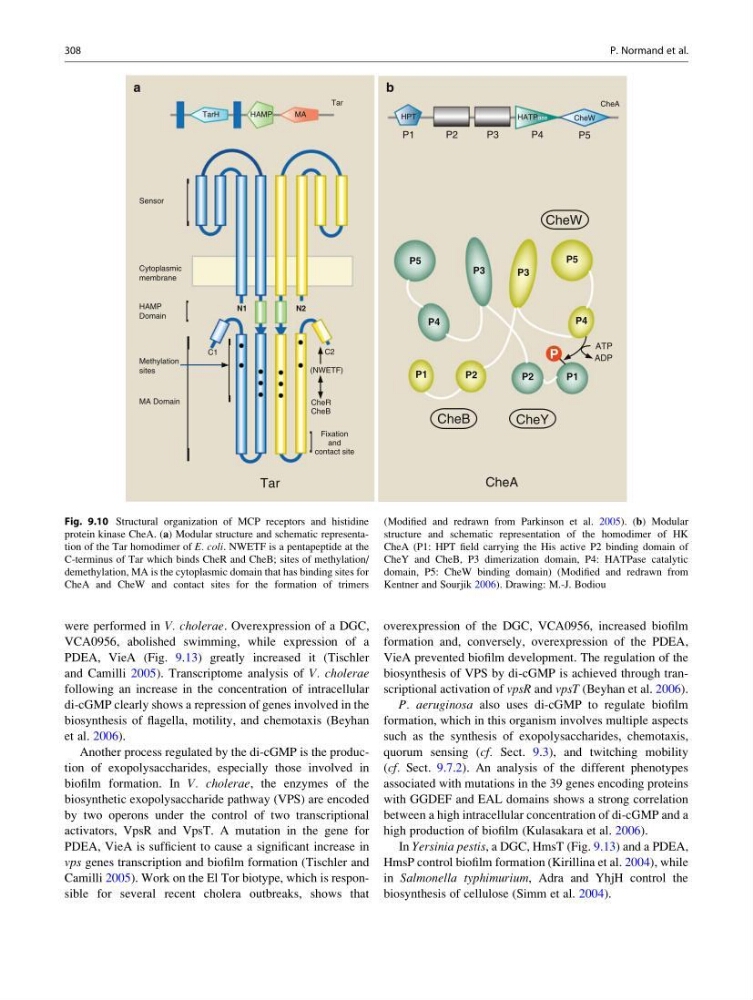
Fig. 9.10 Structural organization of MCP receptors and histidine
protein kinase CheA. (a) Modular structure and schematic representation of the Tar homodimer of E. coli. NWETF is a pentapeptide at the
C-terminus of Tar which binds CheR and CheB; sites of methylation/
demethylation, MA is the cytoplasmic domain that has binding sites for
CheA and CheW and contact sites for the formation of trimers
(Modified and redrawn from Parkinson et al. 2005). (b) Modular
structure and schematic representation of the homodimer of HK
CheA (P1: HPT field carrying the His active P2 binding domain of
CheY and CheB, P3 dimerization domain, P4: HATPase catalytic
domain, P5: CheW binding domain) (Modified and redrawn from
Kentner and Sourjik 2006). Drawing: M.-J. Bodiou
308
P. Normand et al.
VCA0956, abolished swimming, while expression of a
PDEA, VieA (Fig. 9.13) greatly increased it (Tischler
and Camilli 2005). Transcriptome analysis of V. cholerae
following an increase in the concentration of intracellular
di-cGMP clearly shows a repression of genes involved in the
biosynthesis of flagella, motility, and chemotaxis (Beyhan
et al. 2006).
Another process regulated by the di-cGMP is the production of exopolysaccharides, especially those involved in
biofilm formation. In V. cholerae, the enzymes of the
biosynthetic exopolysaccharide pathway (VPS) are encoded
by two operons under the control of two transcriptional
activators, VpsR and VpsT. A mutation in the gene for
PDEA, VieA is sufficient to cause a significant increase in
vps genes transcription and biofilm formation (Tischler and
Camilli 2005). Work on the El Tor biotype, which is responsible for several recent cholera outbreaks, shows that
overexpression of the DGC, VCA0956, increased biofilm
formation and, conversely, overexpression of the PDEA,
VieA prevented biofilm development. The regulation of the
biosynthesis of VPS by di-cGMP is achieved through transcriptional activation of vpsR and vpsT (Beyhan et al. 2006).
P. aeruginosa also uses di-cGMP to regulate biofilm
formation, which in this organism involves multiple aspects
such as the synthesis of exopolysaccharides, chemotaxis,
quorum sensing (cf. Sect. 9.3), and twitching mobility
(cf. Sect. 9.7.2). An analysis of the different phenotypes
associated with mutations in the 39 genes encoding proteins
with GGDEF and EAL domains shows a strong correlation
between a high intracellular concentration of di-cGMP and a
high production of biofilm (Kulasakara et al. 2006).
In Yersinia pestis, a DGC, HmsT (Fig. 9.13) and a PDEA,
HmsP control biofilm formation (Kirillina et al. 2004), while
in Salmonella typhimurium, Adra and YhjH control the
biosynthesis of cellulose (Simm et al. 2004).
CheA
P
HAMP
MA
TarH
ase
HATP
HPT
CheW
Tar
N1
N2
C1
C2
CheR
CheB
(NWETF)
Sensor
Cytoplasmic
membrane
HAMP
Domain
Methylation
sites
MA Domain
[
[
[
[
[
Fixation
and
contact site
ATP
ADP
Tar
CheA
CheB
CheY
CheW
a
b
P1
P2
P3
P4
P5
P1
P1
P2
P2
P3
P3
P4
P4
P5
P5
Fig. 9.10 Structural organization of MCP receptors and histidine
protein kinase CheA. (a) Modular structure and schematic representation of the Tar homodimer of E. coli. NWETF is a pentapeptide at the
C-terminus of Tar which binds CheR and CheB; sites of methylation/
demethylation, MA is the cytoplasmic domain that has binding sites for
CheA and CheW and contact sites for the formation of trimers
(Modified and redrawn from Parkinson et al. 2005). (b) Modular
structure and schematic representation of the homodimer of HK
CheA (P1: HPT field carrying the His active P2 binding domain of
CheY and CheB, P3 dimerization domain, P4: HATPase catalytic
domain, P5: CheW binding domain) (Modified and redrawn from
Kentner and Sourjik 2006). Drawing: M.-J. Bodiou
308
P. Normand et al.