

to proliferating in sedimentary environments. At the
shallowest level are algae that inhabit the high-intertidal
spray zone, whereas, the deepest living forms are attached
to the seabed under nearly 295 m of water (Littler and
Littler, 1994; see Algae, Coralline, Figure 10). The deepest
macroalgae are calcified crustose coralline species.
Human utilization of macroalgae
Macroalgae have a variety of uses. They are used extensively as food by coastal cultures, particularly in Southeast
Asia. Seaweeds are harvested or cultivated for the extraction
of alginate, agar, and carrageenan – gelatinous substances
collectively known as hydrocolloids or phycocolloids. Colloids have great commercial importance, especially in the
production of food additives. The gelling, water-retention,
emulsifying, and other physical properties of colloids are
critical to the food industry. Agar is used in foods such as
candies, canned meats, desserts, bottled drinks, and gelatin
molds. Carrageenan is used in the manufacture of salad
dressings, condiments, dietary foods, as preservatives in
canned meat and fish, milk products, and bakery goods.
Alginates are utilized for many of the same uses as carrageenan, but are also used in the production of paper sizings,
glues, colorings, gels, explosive stabilizers, fabric prints,
hydro-spraying, and drill lubricants. Macroalgae have long
been used as fertilizers and soil conditioners. Seaweeds are
currently being investigated as sources of biodiesel and
biomethane. Algal extracts are also widely used in toothpastes, cosmetics, and paints.
In the biomedical and pharmaceutical industries, alginates are used in wound dressings and production of dental molds. In microbiological/diagnostic research, agar
is extensively used as the culture substrate of choice.
Seaweeds are also a source of iodine, an element necessary
for thyroid function. The vast array of natural products that
algae produce represents a potential “gold mine” of medicinal compounds that are still yielding promising results.
Ecological significance of macroalgae
Top-down control of macroalgae by abundant populations
of large mobile herbivores is particularly well studied for
coral reefs, beginning over four decades ago with the caging study of Stephenson and Searles (1960). As examples, Sammarco et al. (1974), Ogden and Lobel (1978),
Sammarco (1983), Carpenter (1986), Lewis (1986),
Morrisson (1988), and numerous other workers (see review by McCook et al. (2001)) have demonstrated that
lowering herbivory without increased nutrient inputs (usually assumed) mostly results in rapid increases in fleshy
algae. However, when coral reefs are exposed to an
increase in nutrients (bottom-up), fleshy macroalgae
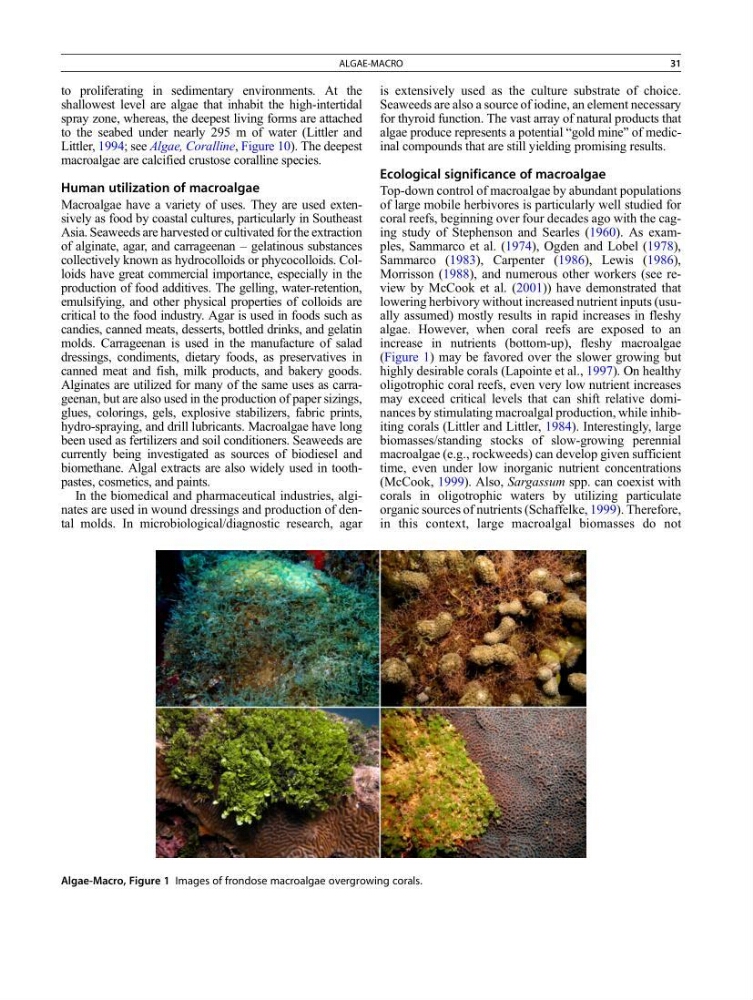
(Figure 1) may be favored over the slower growing but
highly desirable corals (Lapointe et al., 1997). On healthy
oligotrophic coral reefs, even very low nutrient increases
may exceed critical levels that can shift relative dominances by stimulating macroalgal production, while inhibiting corals (Littler and Littler, 1984). Interestingly, large
biomasses/standing stocks of slow-growing perennial
macroalgae (e.g., rockweeds) can develop given sufficient
time, even under low inorganic nutrient concentrations
(McCook, 1999). Also, Sargassum spp. can coexist with
corals in oligotrophic waters by utilizing particulate
organic sources of nutrients (Schaffelke, 1999). Therefore,
in this context, large macroalgal biomasses do not
Algae-Macro, Figure 1 Images of frondose macroalgae overgrowing corals.
ALGAE-MACRO
31
shallowest level are algae that inhabit the high-intertidal
spray zone, whereas, the deepest living forms are attached
to the seabed under nearly 295 m of water (Littler and
Littler, 1994; see Algae, Coralline, Figure 10). The deepest
macroalgae are calcified crustose coralline species.
Human utilization of macroalgae
Macroalgae have a variety of uses. They are used extensively as food by coastal cultures, particularly in Southeast
Asia. Seaweeds are harvested or cultivated for the extraction
of alginate, agar, and carrageenan – gelatinous substances
collectively known as hydrocolloids or phycocolloids. Colloids have great commercial importance, especially in the
production of food additives. The gelling, water-retention,
emulsifying, and other physical properties of colloids are
critical to the food industry. Agar is used in foods such as
candies, canned meats, desserts, bottled drinks, and gelatin
molds. Carrageenan is used in the manufacture of salad
dressings, condiments, dietary foods, as preservatives in
canned meat and fish, milk products, and bakery goods.
Alginates are utilized for many of the same uses as carrageenan, but are also used in the production of paper sizings,
glues, colorings, gels, explosive stabilizers, fabric prints,
hydro-spraying, and drill lubricants. Macroalgae have long
been used as fertilizers and soil conditioners. Seaweeds are
currently being investigated as sources of biodiesel and
biomethane. Algal extracts are also widely used in toothpastes, cosmetics, and paints.
In the biomedical and pharmaceutical industries, alginates are used in wound dressings and production of dental molds. In microbiological/diagnostic research, agar
is extensively used as the culture substrate of choice.
Seaweeds are also a source of iodine, an element necessary
for thyroid function. The vast array of natural products that
algae produce represents a potential “gold mine” of medicinal compounds that are still yielding promising results.
Ecological significance of macroalgae
Top-down control of macroalgae by abundant populations
of large mobile herbivores is particularly well studied for
coral reefs, beginning over four decades ago with the caging study of Stephenson and Searles (1960). As examples, Sammarco et al. (1974), Ogden and Lobel (1978),
Sammarco (1983), Carpenter (1986), Lewis (1986),
Morrisson (1988), and numerous other workers (see review by McCook et al. (2001)) have demonstrated that
lowering herbivory without increased nutrient inputs (usually assumed) mostly results in rapid increases in fleshy
algae. However, when coral reefs are exposed to an
increase in nutrients (bottom-up), fleshy macroalgae
(Figure 1) may be favored over the slower growing but
highly desirable corals (Lapointe et al., 1997). On healthy
oligotrophic coral reefs, even very low nutrient increases
may exceed critical levels that can shift relative dominances by stimulating macroalgal production, while inhibiting corals (Littler and Littler, 1984). Interestingly, large
biomasses/standing stocks of slow-growing perennial
macroalgae (e.g., rockweeds) can develop given sufficient
time, even under low inorganic nutrient concentrations
(McCook, 1999). Also, Sargassum spp. can coexist with
corals in oligotrophic waters by utilizing particulate
organic sources of nutrients (Schaffelke, 1999). Therefore,
in this context, large macroalgal biomasses do not
Algae-Macro, Figure 1 Images of frondose macroalgae overgrowing corals.
ALGAE-MACRO
31