

The Distribution of Indian Ocean Euphausiids
Thysanopoda egregia, 3 ° S - 45° S;
Nematobrachion boopis, 10° N -45° S.
375
The genus Thysanoessa is represented in the collections mainly by T. gregaria. This
epipelagic species occupied the east-west zone of 30° S - 41 ° S, ranging northward to
22 ° S between Africa and Madagascar.
120"
140
--- -~--- -,. -------~.
"EuphollSio gibbo" group.
Occurrence of odults.onty
November - March
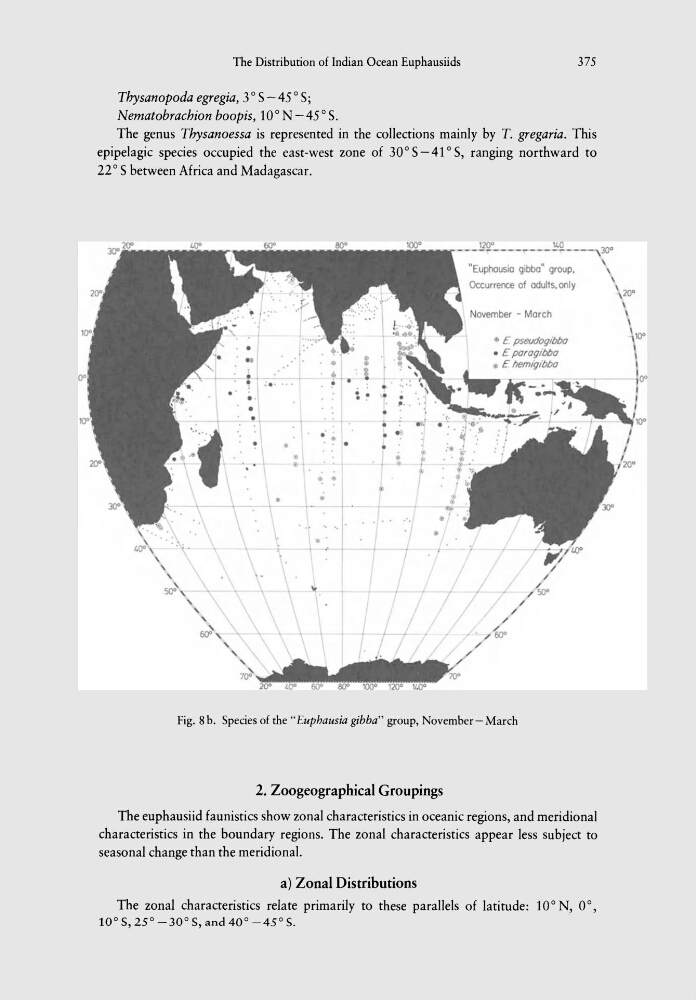
Fig. 8 b. Species of the "Euphausia gibba" group, November- March
2. Zoogeographical Groupings
The euphausiid faunistics show zonal characteristics in oceanic regions, and meridional
characteristics in the boundary regions. The zonal characteristics appear less subject to
seasonal change than the meridional.
a) Zonal Distributions
The zonal characteristics relate primarily to these parallels of latitude: 10° N, 0°,
10° S, 25° -30° S, and 40° -45° S.
Thysanopoda egregia, 3 ° S - 45° S;
Nematobrachion boopis, 10° N -45° S.
375
The genus Thysanoessa is represented in the collections mainly by T. gregaria. This
epipelagic species occupied the east-west zone of 30° S - 41 ° S, ranging northward to
22 ° S between Africa and Madagascar.
120"
140
--- -~--- -,. -------~.
"EuphollSio gibbo" group.
Occurrence of odults.onty
November - March
Fig. 8 b. Species of the "Euphausia gibba" group, November- March
2. Zoogeographical Groupings
The euphausiid faunistics show zonal characteristics in oceanic regions, and meridional
characteristics in the boundary regions. The zonal characteristics appear less subject to
seasonal change than the meridional.
a) Zonal Distributions
The zonal characteristics relate primarily to these parallels of latitude: 10° N, 0°,
10° S, 25° -30° S, and 40° -45° S.