

198
A. DE DECKER:
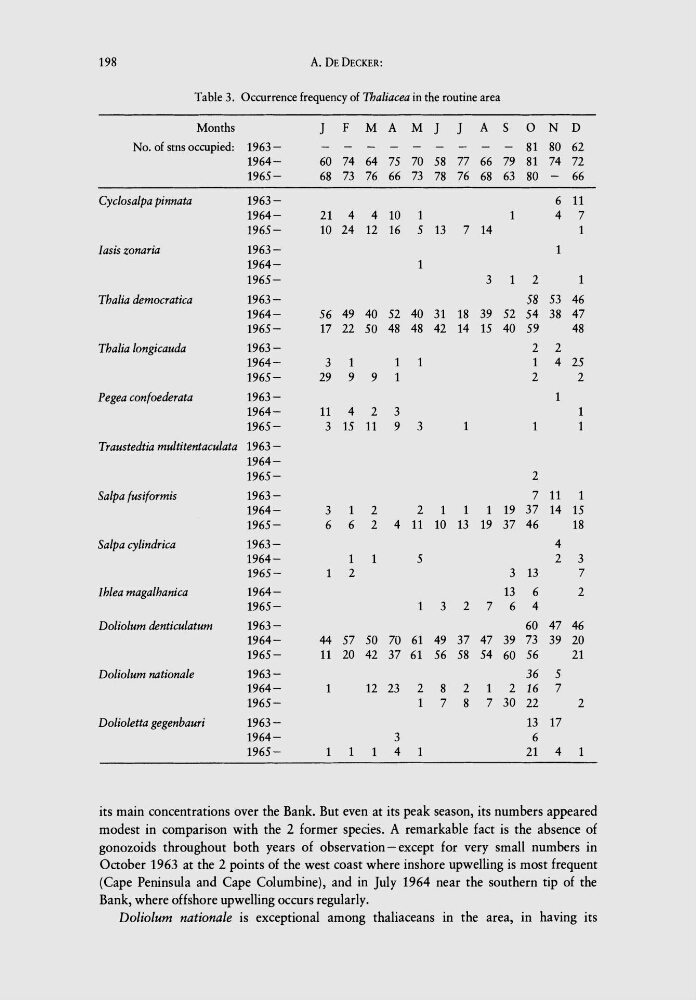
Table 3. Occurrence frequency of Thaliacea in the routine area
Months
J F M A M J J A S 0 N D
No. of stns occupied: 196381 80 62
196460 74 64 75 70 58 77 66 79 81 74 72
196568 73 76 66 73 78 76 68 63 80
66
Cyclasalpa pinnata
19636 11
196421 4 4 10 1
1
4 7
196510 24 12 16 5 13 7 14
1
Iasis zanaria
19631
19641
19653 1 2
Thalia dernacratica
196358 53 46
196456 49 40 52 40 31 18 39 52 54 38 47
196517 22 50 48 48 42 14 15 40 59
48
Thalia langicauda
19632 2
19643 1
1 1
1 4 25
196529 9 9 1
2
2
Pegea canfaederata
19631
196411 4 2 3
1
19653 15 11 9 3
1
1
1
19652
Salpa fusifarrnis
19637 11 1
19643 1 2
2 1 1 1 19 37 14 15
19656 6 2 4 11 10 13 19 37 46
18
Salpa cylindrica
19634
19641 1
5
2 3
19652
3 13
7
Ihlea rnagalhanica
196413 6
2
19651 3 2 7 6 4
Dalialurn denticulaturn
196360 47 46
196444 57 50 70 61 49 37 47 39 73 39 20
196511 20 42 37 61 56 58 54 60 56
21
Dalialurn natianale
196336 5
196412 23 2 8 2 1 2 16 7
19651 7 8 7 30 22
2
Dalialetta gegenbauri
196313 17
19643
6
19651 1 4
21 4 1
its main concentrations over the Bank. But even at its peak season, its numbers appeared
modest in comparison with the 2 former species. A remarkable fact is the absence of
gonozoids throughout both years of observation - except for very small numbers in
October 1963 at the 2 points of the west coast where inshore upwelling is most frequent
(Cape Peninsula and Cape Columbine), and in July 1964 near the southern tip of the
Bank, where offshore upwelling occurs regularly.
Dalialurn natianale is exceptional among thaliaceans in the area, in having its
A. DE DECKER:
Table 3. Occurrence frequency of Thaliacea in the routine area
Months
J F M A M J J A S 0 N D
No. of stns occupied: 196381 80 62
196460 74 64 75 70 58 77 66 79 81 74 72
196568 73 76 66 73 78 76 68 63 80
66
Cyclasalpa pinnata
19636 11
196421 4 4 10 1
1
4 7
196510 24 12 16 5 13 7 14
1
Iasis zanaria
19631
19641
19653 1 2
Thalia dernacratica
196358 53 46
196456 49 40 52 40 31 18 39 52 54 38 47
196517 22 50 48 48 42 14 15 40 59
48
Thalia langicauda
19632 2
19643 1
1 1
1 4 25
196529 9 9 1
2
2
Pegea canfaederata
19631
196411 4 2 3
1
19653 15 11 9 3
1
1
1
19652
Salpa fusifarrnis
19637 11 1
19643 1 2
2 1 1 1 19 37 14 15
19656 6 2 4 11 10 13 19 37 46
18
Salpa cylindrica
19634
19641 1
5
2 3
19652
3 13
7
Ihlea rnagalhanica
196413 6
2
19651 3 2 7 6 4
Dalialurn denticulaturn
196360 47 46
196444 57 50 70 61 49 37 47 39 73 39 20
196511 20 42 37 61 56 58 54 60 56
21
Dalialurn natianale
196336 5
196412 23 2 8 2 1 2 16 7
19651 7 8 7 30 22
2
Dalialetta gegenbauri
196313 17
19643
6
19651 1 4
21 4 1
its main concentrations over the Bank. But even at its peak season, its numbers appeared
modest in comparison with the 2 former species. A remarkable fact is the absence of
gonozoids throughout both years of observation - except for very small numbers in
October 1963 at the 2 points of the west coast where inshore upwelling is most frequent
(Cape Peninsula and Cape Columbine), and in July 1964 near the southern tip of the
Bank, where offshore upwelling occurs regularly.
Dalialurn natianale is exceptional among thaliaceans in the area, in having its