

Heterotrophic Feeding of Corals
351
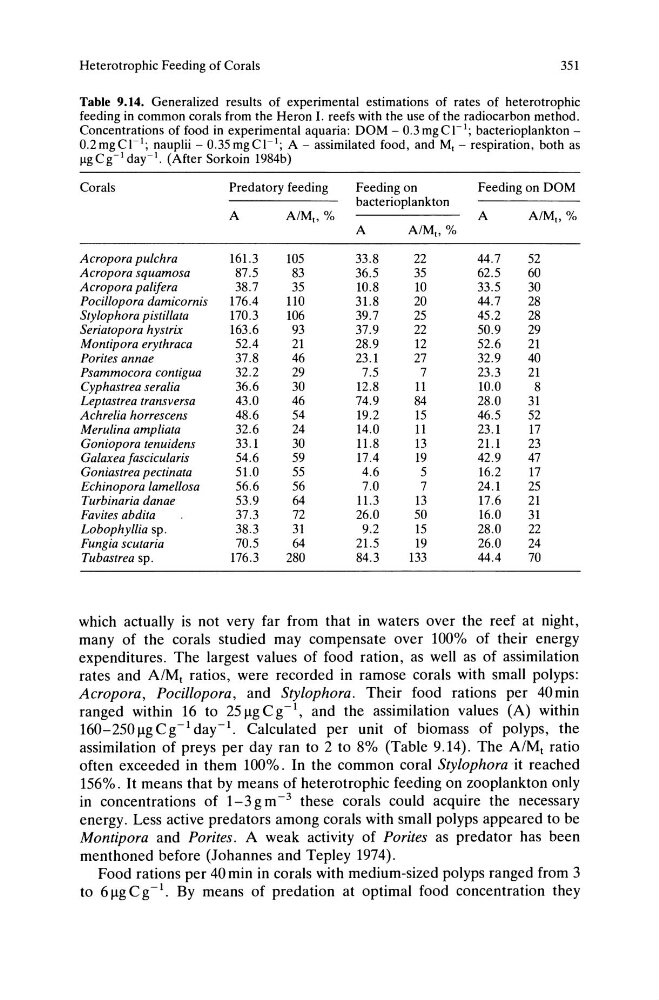
Table 9.14. Generalized results of experimental estimations of rates of heterotrophic
feeding in common corals from the Heron I. reefs with the use of the radiocarbon method.
Concentrations of food in experimental aquaria: DOM - 0.3 mg C I-I; bacterioplankton -
0.2mgCI- I ; nauplii - 0.35mgCI- I ; A - assimilated food, and M, - respiration, both as
IlgCg-Iday-l. (After Sorkoin 1984b)
Corals
Predatory feeding
Feeding on
Feeding on DOM
bacterioplankton
A
AIM" %
A
AIM" %
A
AIM" %
Acropora pulchra
161.3
105
33.8
22
44.7
52
Acropora squamosa
87.5
83
36.5
35
62.5
60
Acropora palifera
38.7
35
10.8
10
33.5
30
Pocillopora damicornis
176.4
110
31.8
20
44.7
28
Stylophora pistil/ata
170.3
106
39.7
25
45.2
28
Seriatopora hystrix
163.6
93
37.9
22
50.9
29
Montipora erythraca
52.4
21
28.9
12
52.6
21
Porites annae
37.8
46
23.1
27
32.9
40
Psammocora contigua
32.2
29
7.5
7
23.3
21
Cyphastrea seralia
36.6
30
12.8
11
10.0
8
Leptastrea transversa
43.0
46
74.9
84
28.0
31
Achrelia horrescens
48.6
54
19.2
15
46.5
52
Merulina ampliata
32.6
24
14.0
11
23.1
17
Goniopora tenuidens
33.1
30
11.8
13
21.1
23
Galaxea fascicularis
54.6
59
17.4
19
42.9
47
Goniastrea pectinata
51.0
55
4.6
5
16.2
17
Echinopora lamellosa
56.6
56
7.0
7
24.1
25
Turbinaria danae
53.9
64
11.3
13
17.6
21
Favites abdita
37.3
72
26.0
50
16.0
31
Lobophyllia sp.
38.3
31
9.2
15
28.0
22
Fungia scutaria
70.5
64
21.5
19
26.0
24
Tubastrea sp.
176.3
280
84.3
133
44.4
70
which actually is not very far from that in waters over the reef at night,
many of the corals studied may compensate over 100% of their energy
expenditures. The largest values of food ration, as well as of assimilation
rates and AIM! ratios, were recorded in ramose corals with small polyps:
Acropora, Pocillopora, and Stylophora. Their food rations per 40 min
ranged within 16 to 25~gCg-I, and the assimilation values (A) within
160-250~gCg-lday-1. Calculated per unit of biomass of polyps, the
assimilation of preys per day ran to 2 to 8% (Table 9.14). The AIM! ratio
often exceeded in them 100%. In the common coral Stylophora it reached
156%. It means that by means of heterotrophic feeding on zooplankton only
in concentrations of 1-3gm- 3 these corals could acquire the necessary
energy. Less active predators among corals with small polyps appeared to be
Montipora and Porites. A weak activity of Porites as predator has been
menthoned before (Johannes and Tepley 1974).
Food rations per 40 min in corals with medium-sized polyps ranged from 3
to 6 ~g C g -I. By means of predation at optimal food concentration they
351
Table 9.14. Generalized results of experimental estimations of rates of heterotrophic
feeding in common corals from the Heron I. reefs with the use of the radiocarbon method.
Concentrations of food in experimental aquaria: DOM - 0.3 mg C I-I; bacterioplankton -
0.2mgCI- I ; nauplii - 0.35mgCI- I ; A - assimilated food, and M, - respiration, both as
IlgCg-Iday-l. (After Sorkoin 1984b)
Corals
Predatory feeding
Feeding on
Feeding on DOM
bacterioplankton
A
AIM" %
A
AIM" %
A
AIM" %
Acropora pulchra
161.3
105
33.8
22
44.7
52
Acropora squamosa
87.5
83
36.5
35
62.5
60
Acropora palifera
38.7
35
10.8
10
33.5
30
Pocillopora damicornis
176.4
110
31.8
20
44.7
28
Stylophora pistil/ata
170.3
106
39.7
25
45.2
28
Seriatopora hystrix
163.6
93
37.9
22
50.9
29
Montipora erythraca
52.4
21
28.9
12
52.6
21
Porites annae
37.8
46
23.1
27
32.9
40
Psammocora contigua
32.2
29
7.5
7
23.3
21
Cyphastrea seralia
36.6
30
12.8
11
10.0
8
Leptastrea transversa
43.0
46
74.9
84
28.0
31
Achrelia horrescens
48.6
54
19.2
15
46.5
52
Merulina ampliata
32.6
24
14.0
11
23.1
17
Goniopora tenuidens
33.1
30
11.8
13
21.1
23
Galaxea fascicularis
54.6
59
17.4
19
42.9
47
Goniastrea pectinata
51.0
55
4.6
5
16.2
17
Echinopora lamellosa
56.6
56
7.0
7
24.1
25
Turbinaria danae
53.9
64
11.3
13
17.6
21
Favites abdita
37.3
72
26.0
50
16.0
31
Lobophyllia sp.
38.3
31
9.2
15
28.0
22
Fungia scutaria
70.5
64
21.5
19
26.0
24
Tubastrea sp.
176.3
280
84.3
133
44.4
70
which actually is not very far from that in waters over the reef at night,
many of the corals studied may compensate over 100% of their energy
expenditures. The largest values of food ration, as well as of assimilation
rates and AIM! ratios, were recorded in ramose corals with small polyps:
Acropora, Pocillopora, and Stylophora. Their food rations per 40 min
ranged within 16 to 25~gCg-I, and the assimilation values (A) within
160-250~gCg-lday-1. Calculated per unit of biomass of polyps, the
assimilation of preys per day ran to 2 to 8% (Table 9.14). The AIM! ratio
often exceeded in them 100%. In the common coral Stylophora it reached
156%. It means that by means of heterotrophic feeding on zooplankton only
in concentrations of 1-3gm- 3 these corals could acquire the necessary
energy. Less active predators among corals with small polyps appeared to be
Montipora and Porites. A weak activity of Porites as predator has been
menthoned before (Johannes and Tepley 1974).
Food rations per 40 min in corals with medium-sized polyps ranged from 3
to 6 ~g C g -I. By means of predation at optimal food concentration they