

Part F | 29.5
722 Part F Marine Derived Metabolites
Genomic DNA sequencing
Genomic data mining
Biosynthetic gene clusters
Heterologous expression
Marine microorganisms
Activitybased
screening
Marine
natural
products
Production
of
compounds
Marine
environmental
DNA
Biosynthetic
regulation
mechanisms
Improvement
of natural
compound
production
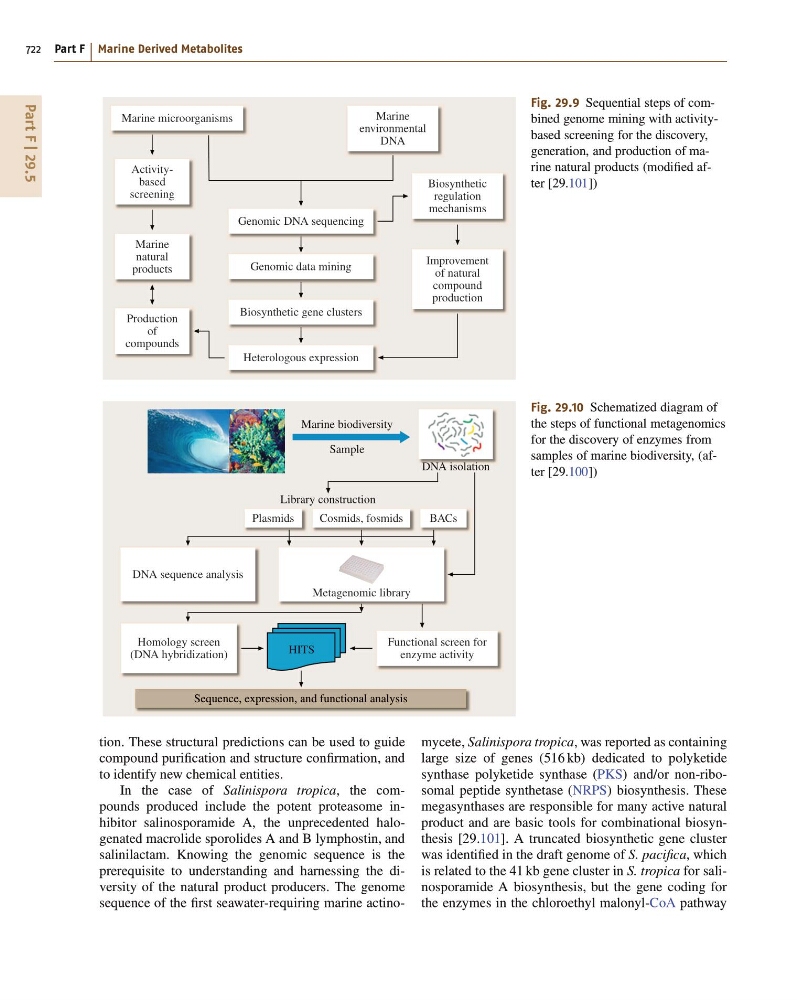
Fig. 29.9 Sequential steps of combined genome mining with activitybased screening for the discovery,
generation, and production of marine natural products (modified after [29.101])
Functional screen for
enzyme activity
Plasmids
BACs
Cosmids, fosmids
Sequence, expression, and functional analysis
Metagenomic library
DNA sequence analysis
Homology screen
(DNA hybridization)
HITS
DNA isolation
Marine biodiversity
Sample
Library construction
Fig. 29.10 Schematized diagram of
the steps of functional metagenomics
for the discovery of enzymes from
samples of marine biodiversity, (after [29.100])
tion. These structural predictions can be used to guide
compound purification and structure confirmation, and
to identify new chemical entities.
In the case of Salinispora tropica, the compounds produced include the potent proteasome inhibitor salinosporamide A, the unprecedented halogenated macrolide sporolides A and B lymphostin, and
salinilactam. Knowing the genomic sequence is the
prerequisite to understanding and harnessing the diversity of the natural product producers. The genome
sequence of the first seawater-requiring marine actinomycete, Salinispora tropica, was reported as containing
large size of genes (516 kb) dedicated to polyketide
synthase polyketide synthase (PKS) and/or non-ribosomal peptide synthetase (NRPS) biosynthesis. These
megasynthases are responsible for many active natural
product and are basic tools for combinational biosynthesis [29.101]. A truncated biosynthetic gene cluster
was identified in the draft genome of S. pacifica, which
is related to the 41 kb gene cluster in S. tropica for salinosporamide A biosynthesis, but the gene coding for
the enzymes in the chloroethyl malonyl-CoA pathway