

Biotransformation of Nitriles by Marine Fungi 28.1 Overview 683
Part E | 28.1
Indoleacetonitrile
Indoleacetic acid
CN
N
H
COOH
Chinese cabbage
N
H
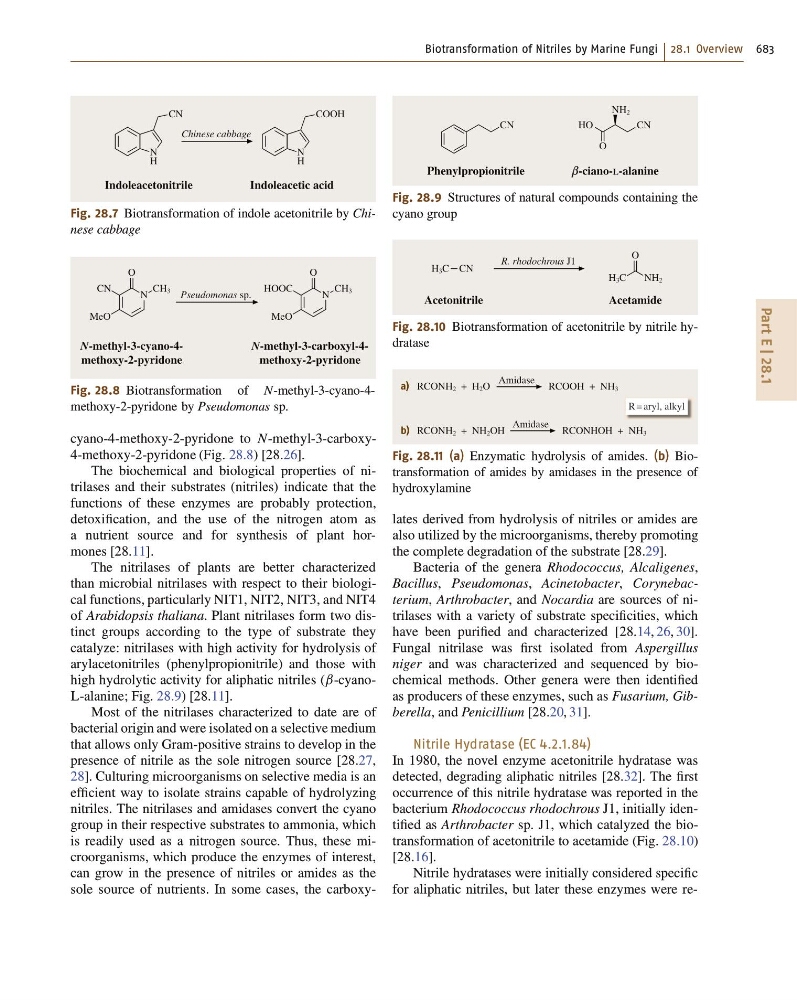
Fig. 28.7 Biotransformation of indole acetonitrile by Chinese cabbage
N-methyl-3-cyano-4methoxy-2-pyridone
N-methyl-3-carboxyl-4methoxy-2-pyridone
O
N
CN
CH 3
MeO
O
N
HOOC
CH 3
MeO
Pseudomonas sp.
Fig. 28.8 Biotransformation of N-methyl-3-cyano-4methoxy-2-pyridone by Pseudomonas sp.
cyano-4-methoxy-2-pyridone to N-methyl-3-carboxy4-methoxy-2-pyridone (Fig. 28.8) [28.26].
The biochemical and biological properties of nitrilases and their substrates (nitriles) indicate that the
functions of these enzymes are probably protection,
detoxification, and the use of the nitrogen atom as
a nutrient source and for synthesis of plant hormones [28.11].
The nitrilases of plants are better characterized
than microbial nitrilases with respect to their biological functions, particularly NIT1, NIT2, NIT3, and NIT4
of Arabidopsis thaliana. Plant nitrilases form two distinct groups according to the type of substrate they
catalyze: nitrilases with high activity for hydrolysis of
arylacetonitriles (phenylpropionitrile) and those with
high hydrolytic activity for aliphatic nitriles (ˇ-cyanoL-alanine; Fig. 28.9) [28.11].
Most of the nitrilases characterized to date are of
bacterial origin and were isolated on a selective medium
that allows only Gram-positive strains to develop in the
presence of nitrile as the sole nitrogen source [28.27,
28]. Culturing microorganisms on selective media is an
efficient way to isolate strains capable of hydrolyzing
nitriles. The nitrilases and amidases convert the cyano
group in their respective substrates to ammonia, which
is readily used as a nitrogen source. Thus, these microorganisms, which produce the enzymes of interest,
can grow in the presence of nitriles or amides as the
sole source of nutrients. In some cases, the carboxyPhenylpropionitrile
-ciano-L-alanine
CN
CN
HO
NH 2
O
Fig. 28.9 Structures of natural compounds containing the
cyano group
Acetonitrile
Acetamide
H 3 C CN
O
NH 2
H 3 C
R. rhodochrous J1
Fig. 28.10 Biotransformation of acetonitrile by nitrile hydratase
RCONH 2 + H 2 O
RCOOH + NH 3
R= aryl, alkyl
RCONH 2 + NH 2 OH
RCONHOH + NH 3
Amidase
Amidase
a)
b)
Fig. 28.11 (a) Enzymatic hydrolysis of amides. (b) Biotransformation of amides by amidases in the presence of
hydroxylamine
lates derived from hydrolysis of nitriles or amides are
also utilized by the microorganisms, thereby promoting
the complete degradation of the substrate [28.29].
Bacteria of the genera Rhodococcus, Alcaligenes,
Bacillus, Pseudomonas, Acinetobacter, Corynebacterium, Arthrobacter, and Nocardia are sources of nitrilases with a variety of substrate specificities, which
have been purified and characterized [28.14, 26, 30].
Fungal nitrilase was first isolated from Aspergillus
niger and was characterized and sequenced by biochemical methods. Other genera were then identified
as producers of these enzymes, such as Fusarium, Gibberella, and Penicillium [28.20, 31].
Nitrile Hydratase (EC 4.2.1.84)
In 1980, the novel enzyme acetonitrile hydratase was
detected, degrading aliphatic nitriles [28.32]. The first
occurrence of this nitrile hydratase was reported in the
bacterium Rhodococcus rhodochrous J1, initially identified as Arthrobacter sp. J1, which catalyzed the biotransformation of acetonitrile to acetamide (Fig. 28.10)
[28.16].
Nitrile hydratases were initially considered specific
for aliphatic nitriles, but later these enzymes were re-